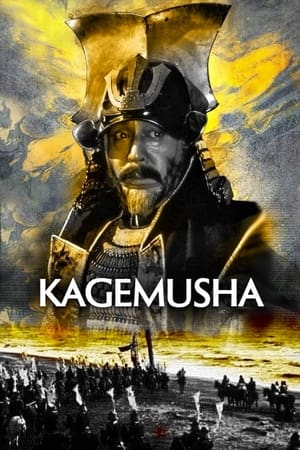
A feudal epic presenting the tale of a petty thief who is recruited to impersonate Shingen, an aging warlord, in order to avoid attacks by competing clans. The impostor becomes comfortable living his life among nobility, but his responsibilities to his station grow more demanding the longer he occupies it.
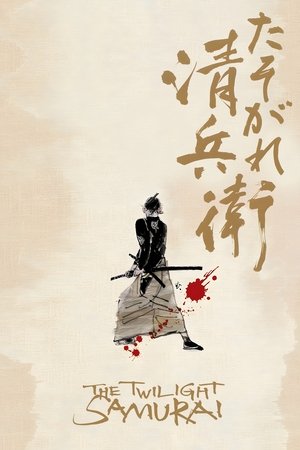
Seibei Iguchi leads a difficult life as a low ranking samurai at the turn of the nineteenth century. A widower with a meager income, Seibei struggles to take care of his two daughters and senile mother. New prospects seem to open up when the beautiful Tomoe, a childhood friend, comes back into he and his daughters' life, but as the Japanese feudal system unravels, Seibei is still bound by the code of honor of the samurai and by his own sense of social precedence. How can he find a way to do what is best for those he loves?
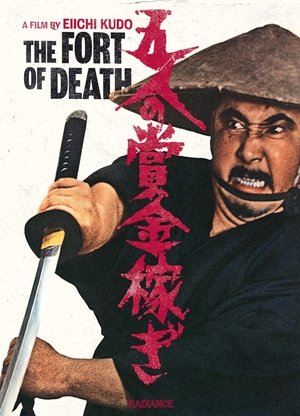
The second Bounty Hunter film, when master killer Shikoro Ichibei takes up the cause of a group of farmers being driven to despair by the vile Lord Ozeki. The villainous lord has driven them to mounting their last stand at a deserted fort against an army of attackers. Wakayama Tomisaburo is superb as an expert in killing and military tactics, who leaves his medical practice at a clinic for the poor in order to counter the vicious tactics of that vile lord.
A jidaigeki film on Banzuiin Chōbei produced in 1940 and directed by Yasuki Chiba.
A story about a tomboy, Otoshi, who is good at singing, dancing and fencing.
In a poor district of Edo lives a young samurai named Soza. He has been sent by his clan to avenge the death of his father. He isn't an accomplished swordsman however, and he prefers sharing the life of the residents, teaching the kids how to write etc. When he finally finds the man he is looking for, he will have to decide whether he follows the way of the samurai or chooses peace and reconciliation.
Momotaro carries this sword into battle against injustice in shogunate Japan. Aided by ninja he must now wage a furious battle against the terrible “Ran” clan, villains in league with Ohara Ukon, a bitter samurai nursing a grudge against the shogunate. Together the ruthless conspirators will threaten the foundations of shogunate rule over Japan. Only the relentless slashing sword of Momotaro may save the nation from the Ran clan's army of killers.
Two rogue vagrants make their living as "manure men", turning the waste from the tenement toilets into fertiliser sold to local farmers. Enter Okiku, the only daughter of a fallen samurai, and amongst the overflowing piles of excrement, a well-nourished love story unfolds.
Struggling to elevate himself from his low caste in 17th century Japan, Miyamoto trains to become a mighty samurai warrior.
After years on the road establishing his reputation as Japan's greatest fencer, Takezo returns to Kyoto. Otsu waits for him, yet he has come not for her but to challenge the leader of the region's finest school of fencing. To prove his valor and skill, he walks deliberately into ambushes set up by the school's followers.
A humble and simple Takezo abandons his life as a knight errant. He's sought as a teacher and vassal by Shogun, Japan's most powerful clan leader. He's also challenged to fight by the supremely confident and skillful Sasaki Kojiro. Takezo agrees to fight Kojiro in a year's time but rejects Shogun's patronage, choosing instead to live on the edge of a village, raising vegetables. He's followed there by Otsu and later by Akemi, both in love with him. The year ends as Takezo assists the villagers against a band of brigands. He seeks Otsu's forgiveness and accepts her love, then sets off across the water to Ganryu Island for his final contest.
Kon Ichikawa's retelling of the classic true story of Samurai honor. When a young clan lord is forced to commit seppuku (ritual suicide), his loyal followers (now Ronin, masterless Samurai) dedicate their lives to avenging his death.
A samurai answers a village's request for protection after he falls on hard times. The town needs protection from bandits, so the samurai gathers six others to help him teach the people how to defend themselves, and the villagers provide the soldiers with food.
In feudal Japan, during a bloody war between clans, two cowardly and greedy peasants, soldiers of a defeated army, stumble upon a mysterious man who guides them to a fortress hidden in the mountains.
Having put down his sword and given up the will to fight, the masterless samurai Iemon lives in solitude while being haunted by his violent enigmatic past...
It is a historical drama that follows Katsu Kaishu's efforts to surrender Edo Castle bloodlessly in the first year of the Meiji period.
When Lord Murashige rises up against the tyrannical Oda, he finds himself besieged within the walls of his own castle. Isolated, he is confronted with a series of mysterious crimes that shatter the fragile order of his court, plunging the fortress into fear and suspicion. With Oda's army closing in and a traitor hiding among his ranks, Murashige is forced into an uneasy alliance with Kanbei, a brilliant and dangerous strategist held prisoner in the dungeon, as he must outwit his enemies and uncover the truth before time runs out.
Even though Gennosuke and Oboro are from rival ninja villages, they are secretly in love. At an annual conference with the Lord, it is dictated that a competition--a fight to the death--will take place between the five best shinobi from each village. Gennosuke and Oboro's love is made even more impossible when they each got picked as the leader of the five to represent their respective villages.
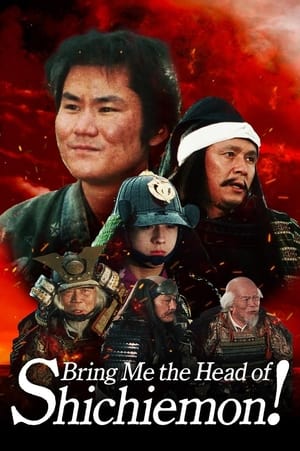
During the Sengoku period, an army relentlessly lays siege to a castle, but they will need the head of the opposing lord to declare victory.
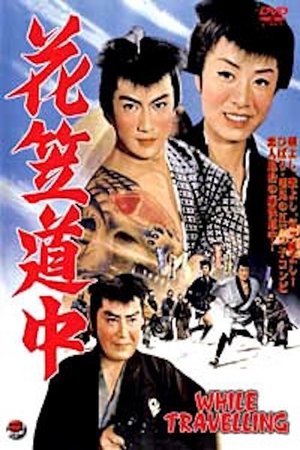
In this film, Hibari plays a dual role as brother and sister. The story involves a journey to Hanagasa for an incognito Lord (Kotaro Satomi) to overthrow an attempted usurpation of his domain, while being harassed by vassals of the usurper (Kensaku Hara). There's also a mysterious ronin played by Jushiro Konoe. The songs are seamlessly woven into the narrative and don't overwhelm the action. While the plot is derivative it is good example of its type and quite enjoyable. Note that there are some flashback sequences in black and white.