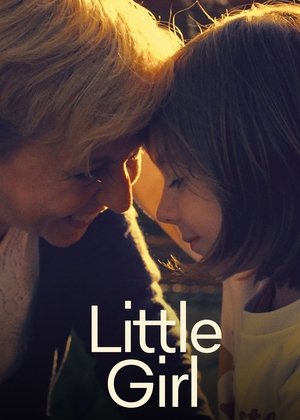
7-year-old Sasha has always known that she is a girl. Sasha’s family has recently accepted her gender identity, embracing their daughter for who she truly is while working to confront outdated norms and find affirmation in a small community of rural France.
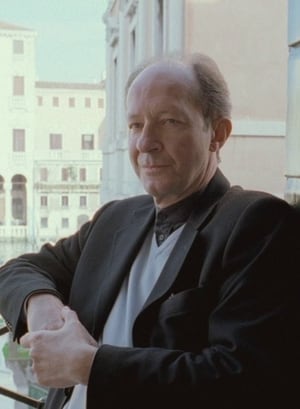
Sancho Panza enters a movie theatre in a provincial city. He is looking for Don Quixote and he finds him sitting off to the side and staring at the screen. The theatre is almost full; the balcony is entirely occupied by noisy children… La proiezione è cominciata (The Projection Has Begun) is an adaptation of The Six Most Beautiful Minutes in the History of Cinema by Giorgio Agamben. It is a portrait in 24 daguerreotypes per second.
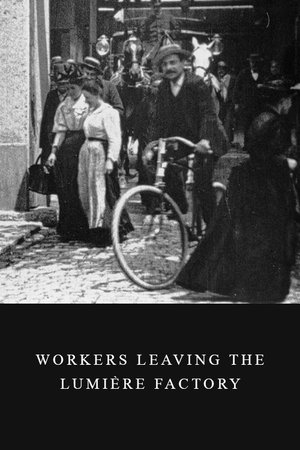
“The workers leave the Lumière factory.” Workers pass through the gate of the Lumière factory and are followed by a carriage drawn by two horses.
His signature roles were the edgy North German characters: Jan Fedder was one of the most popular actors in the North. He was one of the most popular actors, a real guy with rough edges and a lot of heart: Jan Fedder. He was already on stage as a child and had his first acting lessons at the age of 13. He knew early on what he wanted: to become an actor. Antje Althoff's film traces his life and career, showing his incorrigible nature, an endearing symbiosis of a big mouth and a similarly big heart.
Hugues Aufray, l'éternel jeune homme
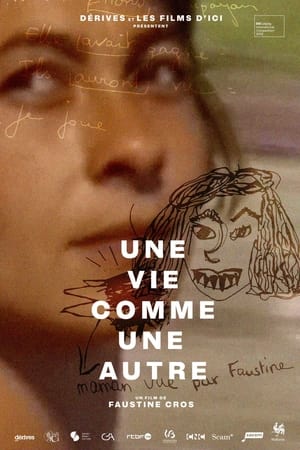
Over many years, the director’s father filmed his family life almost obsessively. His daughter’s birth, his son’s first steps, and always Valérie, the young mother. An impressive fund of material which their now grown-up daughter Faustine appropriates to tell quite a different story: that of a woman who sees her role as a mother and its demands take away her freedom step by step.
Ilyes Djadel : en vrai de vrai
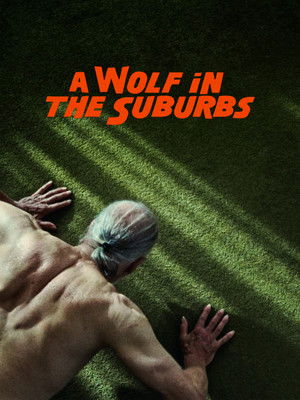
Rolland, a 70 year-old man, exiled by his family due to his sexual orientation, makes peace with the past by finding himself in a small ghost town in the western part of Jalisco, San Sebastián del Oeste. Almost 40 years later, he wants to go back to his hometown, try to regain his daughter's love and be a part o his granddaughter's life.
Un jour en France
Sur les pas de Robespierre
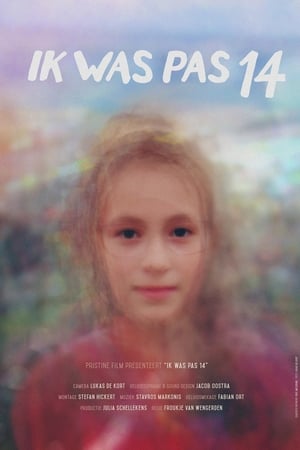
Filmmaker Froukje van Wengerden’s 86-year-old grandmother shares a powerful memory from 1944, when she was just 14. As her story unfolds, we see a group of contemporary 14-year-old girls. Their procession of portraits permits the spectator to see simultaneously forward and back, into the future and towards the past. A miraculous testimonial that uses eye contact to focus the viewer inward and evoke unexpected emotions.
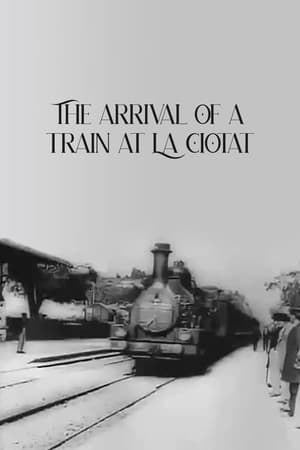
A group of people are standing along the platform of a railway station in La Ciotat, waiting for a train. One is seen coming, at some distance, and eventually stops at the platform. Doors of the railway-cars open and attendants help passengers off and on. Popular legend has it that, when this film was shown, the first-night audience fled the café in terror, fearing being run over by the "approaching" train. This legend has since been identified as promotional embellishment, though there is evidence to suggest that people were astounded at the capabilities of the Lumières' cinématographe.
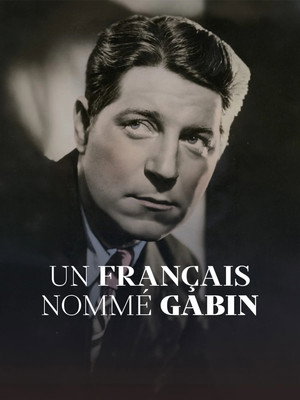
Un Français nommé Gabin
Welcome to Mississauga where lawns are clipped, neighbors are watchful and no blade of grass dares misbehave. Except at Wolf Ruck’s place. His lawn grows wild, and so does the trouble.
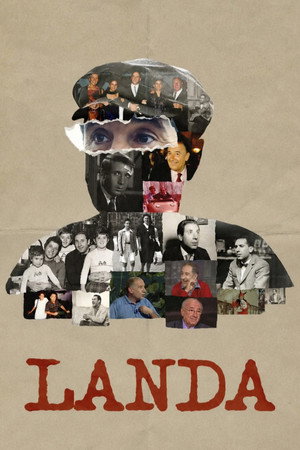
Portrait of Alfredo Landa, Spanish cinema's most popular actor. From landismo to his greatest roles, featuring public affection, prestigious awards, unreleased material, and intimate testimonies about the person behind the performer
La bande à Fifi : plus besoin d'Alibi
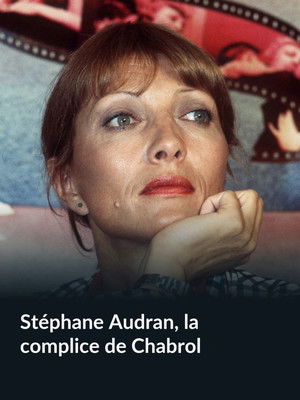
She and Claude Chabrol formed one of the most prolific couples in the history of cinema. Through their relationship, and through film clips, reports and broadcasts, a portrait, imbued with humor and elegance, of the actress Stéphane Audran emerges.
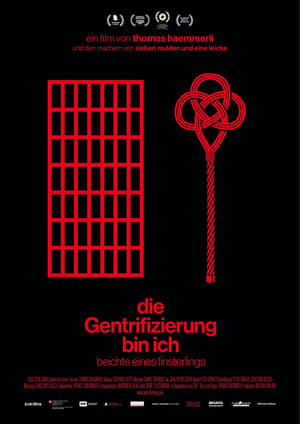
Is the city of Zurich suffering from ‘density stress’? What is it like to live in mega cities such as São Paulo, Mexico City and Tiflis? Filmmaker Thomas Haemmerli broaches the topics of city development, architecture, density, housing market, xenophobia and gentrification from an autobiographical perspective. The path of his life has led him from a childhood in the villa district of Zürichberg, through his teenage years as squatter to flat shares, yuppie apartments and finally second homes in various cities. Only recently having become a dad, he plans to further enhance Zurich’s price appreciation by purchasing a huge, extended city apartment… This multifaceted essay not only humorously questions the filmmaker’s decisions, but also those of the right-wing conservatives, who are afraid of losing their space to immigrants, and the political left, who fail to embrace modern-age architecture.
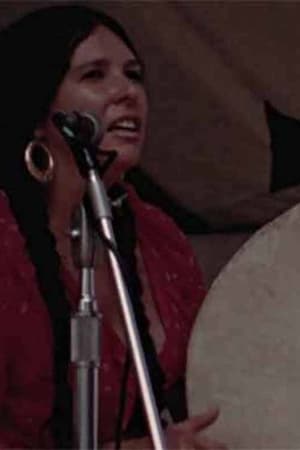
Alanis Obomsawin, a North American Indian who earns her living by singing and making films, is the mother of an adopted child. She talks about her life, her people, and her responsibilities as a single parent. Her observations shake some of our cultural assumptions.
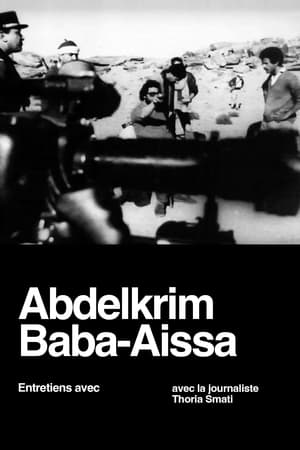
In 2024, Abdelkrim Baba Aissa, aged 75, engages in a series of filmed interviews with Algerian journalist Thoria Smati. They address the chronology of the rich and committed career of this self-taught Algerian actor, director, producer and screenwriter, who made his debut on Algerian television as an assistant director then at ONCIC as a director in the years 70.