Join filmmaking duo Chris Hegedus and Nick Doob as their cameras follow Franken to book signings, campaign rallies and the launch of Air America Radio, documenting his transformation from irreverent funnyman to political pundit.
SauAcker depicts the obstacles faced by Philipp, a young farmer determined to modernize his father's old-fashioned farm. His motto is "I'll do it my way". Philipp is fully committed and is even risking his relationship to attain his goals. The documentary paints a funny and charming picture of the two wayward heroes and presents an entertaining angle on the realities of contemporary society.
A family gathering around what used to be an everyday activity.
Two old sisters, living in the same Warsaw apartment, sit on a bench and talk. The 87-year-old elder one seems to care for the other reluctantly and treat her badly. The younger, who is said to be clumsier, has walking problems.
The action is placed in a cramped flat in Warsaw’s district of Ochota. A father and a son, both bedridden, live in a fascinating symbiosis. The son, a well‑known photographer Bernard ben Dobrowolski, is lying in bed because a chronic condition has deformed his body and immobilized him. The father, Dominik, has recently suffered from a stroke. Now they are taking care of each other and crowds of visitors move through their room.
We were just 15 minutes away from the end of the world. ABOVE ALL is a revealing short documentary about the life of an American man who ended up onboard with an atomic bomb, in the midst of the 1962 Cuban Crisis. The world was never been closer to nuclear war than this moment. A surprisingly heart-warming story told with his own words and pictures, the film is made from family home movies, including previously unseen footage from inside the US airbases. This film juxtaposes love, family and war through the arc of one man’s life. As President Kennedy addressed the world in a live televised speech of extraordinary gravity, we glimpse at the true psychology of what is was like to be in the air in those infamous moments, whilst the very essence of life on Earth was on the line.
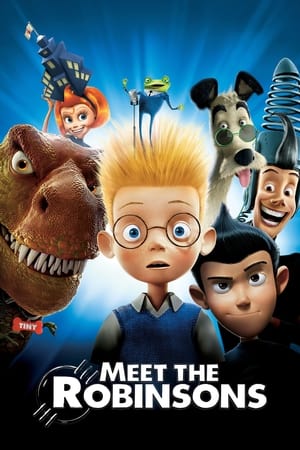
During a championship baseball match, the three brothers hear that their grandfather in Japan is in trouble, and head out to help him, conceding the match. When they arrive in Japan, they must use all their powers to defend him against his ancient enemy, who has returned to exact revenge.
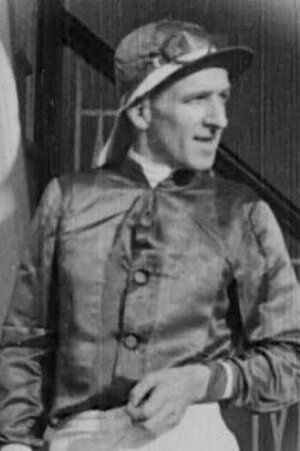
Fashionably attired folk attend the races in Kolkata.
The Kitades run a butcher shop in Kaizuka City outside Osaka, raising and slaughtering cattle to sell the meat in their store. The seventh generation of their family's business, they are descendants of the buraku people, a social minority held over from the caste system abolished in the 19th century that is still subject to discrimination. As the Kitades are forced to make the difficult decision to shut down their slaughterhouse, the question posed by the film is whether doing this will also result in the deconstruction of the prejudices imposed on them. Though primarily documenting the process of their work with meticulous detail, Aya Hanabusa also touches on the Kitades' participation in the buraku liberation movement. Hanabusa's heartfelt portrait expands from the story of an old-fashioned family business competing with corporate supermarkets, toward a subtle and sophisticated critique of social exclusion and the persistence of ancient prejudices.
Memory is a collaboration with musician Noah Lennox (Panda Bear), exploring the relationship between a musician and filmmaker and their personal reflection on memories. From Super 8 home movies and entirely handmade, this film explores familiar memories, the present moment combined with past experiences and how it all seems to evade from our present memory.
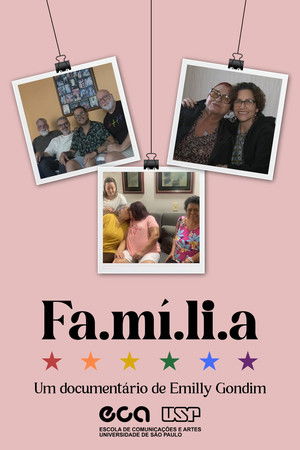
Four families recount how they met and formed their families at a time when marriage and civil unions were denied to LGBT+ people. The film demonstrates what homophobia seeks to attack: love and family.
Found footage: California in the 1950's and 60's. A young Indian couple enjoys their personal American dream come true in their home somewhere in the suburbs of San Francisco. In great detail they pose with their newly achieved wealth in front of their Super-8 camera. Just like postcards, they would send these film rolls to their joint families back in India. Around the same time, an American missionary couple visits the city of Calcutta to shoot a Christian propaganda film. The drastic reality with poverty and famine in the streets of the Indian metropolis fits perfectly into their wicked plan: To promote the faith in Jesus by showing the misery that pagan believers are doomed to suffer from.
The Chukchi reindeer breeders are peculiar people. They are nomads. Reindeers are their welfare, the purport of life. The mother-reindeer is the main divine being; it protects the Chukchi from misfortune and troubles. Nature is not friendly towards people here. Only Chukchi can survive in Tundra. A rush period for the Chukchi reindeer breeders comes in winter, when the temperature rises up to 50 degrees Celsius at night and in the sunlight of the day it doesn't exceed 40 degrees Celsius in tundra: they should separate young deers from the rest of the herd, the weak from the strong. And this, considering that the herds of the Chukchi reindeer breeders number some thousand heads...
An alternative documentary following the trail of blood and carnage of Philadelphia’s own Deathmatch Rock n’ Roll pioneers, Eat the Turnbuckle, from beer-soaked bars to the largest stage in the world of metal.
After 20 years of wandering taiga weather stations searching for a suitable place for having a life, Nataliya and Yuri Usovy settled on Olkhon island, on a remote weather station. They thought to find happiness here.
After turning his life around, Sensei EJ creates Warriors Karate Academy in the basement of Greater Glory Ministries in Columbus, Ohio. A summer school is created and the school quickly grows outside of the church and becomes involved in the community.
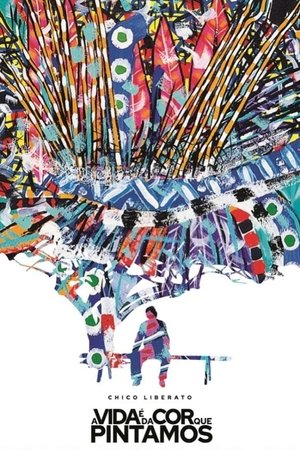
Perpetuating art was the main objective in the life of visual artist, filmmaker and cultural manager Chico Liberato, who died in January, 2023. A pioneer of animation cinema in Bahia, he left a legacy for the area, and even in his family.
Painter Zdzisław Beksiński, his wife Zofia and their son Tomasz, a well-known radio journalist and translator, were a typical and unconventional family, both at the same time. One of the father’s obsessions was filming himself and his family members. Using archival footage only, shot primarily by Zdzisław, as well many other materials, which have not been presented anywhere so far, the film tells a tragic story of the Beksińskis that has never ceased to fascinate Polish filmmakers.
It is hard to find a family home where all the members have gone to live their separate lives in different parts of the world. Travelling between different continents, the director visits divorced parents and their new partners and also meets her sister who decided to join an alternative community. Their family exists on archival films and photographs only. Is it still possible to put it all together against all odds?
The race is on - for the Viceroy's Cup.