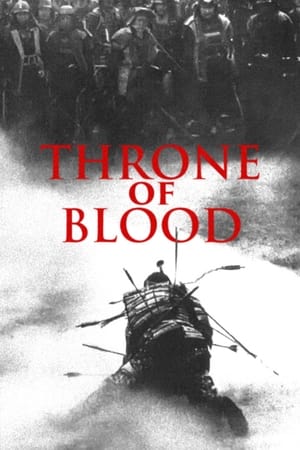
Shakespeare's King Lear is reimagined as a singular historical epic set in sixteenth-century Japan where an aging warlord divides his kingdom between his three sons.
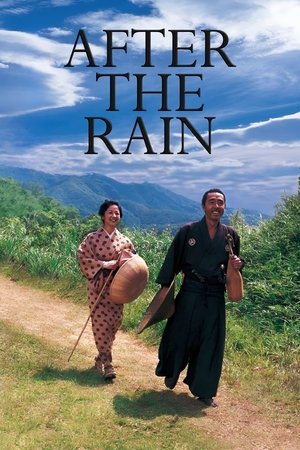
A group of travelers is stranded in a small country inn when the river floods during heavy rains. As the bad weather continues, tensions rise amongst the trapped travelers.
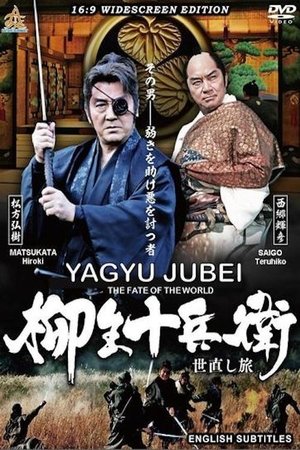
The fate of Tokugawa’s world hangs in the balance as Yagyu Jubei is sent on a mission to discover what happened to 10 of the shogun’s spies that never returned. Matsukata Hiroki, one of the last surviving members of the Golden Age of Japanese Cinema proves that he has not lost a step as he portrays an older and wiser Yagyu Jubei in a movie that brings the best of samurai filmmaking into the 21st century. Summoned from semi-retirement by Shogun Iemitsu, Jubei is asked to take to the road and investigate a clan rumored to be preparing explosives for a rebellion. With help from a beautiful female ninja they head into the Shirakawa domain where the fighting skills of both are tested time and again as they strive to destroy a conspiracy that could bring a new Warring States Era. In the 1960's Yagyu Jubei was the signature role of the great Konoe Jushiro, father of Matsukata Hiroki. This brings the character full circle.
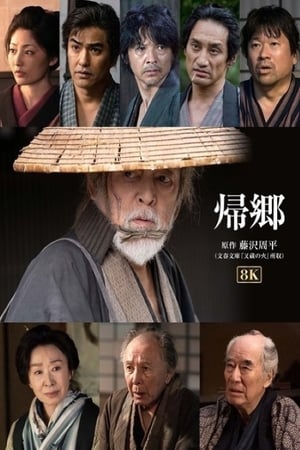
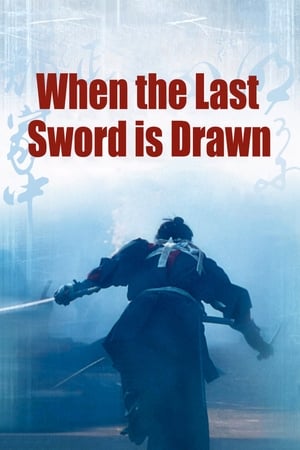
Tatsuya Nakadai, the world’s greatest living actor, returns to the screen in a brilliant adaptation of a story by novelist Shuhei Fujisawa. A traveling gambler known as “Funeral Uno” he is now 86 years old and returning to his hometown for the first time in 30 years. Partly told in flashbacks, he is forced to face his lifelong nemesis, Boss Kyuzo, a vile yakuza portrayed by another superstar of samurai cinema, Atsuo Nakamura! Before the two old gamblers can settle a 30-year-old score they must put their lives on the line in a game of dice that can only lead to a bloody sword duel the likes of which has never before been seen! Superb performances all around in a film loaded with surprises and exciting swordplay!
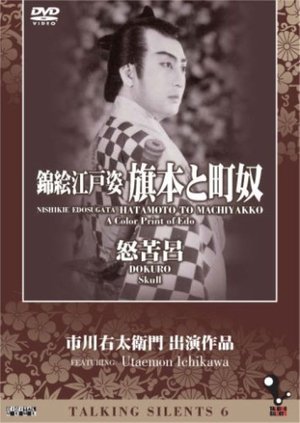
The Color Print of Edo is a 1939 black and white Japanese silent film with benshi accompaniment directed by Kazuo Mori. It is a cheerful period drama, sprinkled with comical scenes and tells the story of a loyal and handsome Edo period servant who fights to help his older brother marry the woman he loves. The star of this film, Utaemon Ichikawa, gained enormous popularity for his portrayal of a cheerful and chivalrous man.
A hotshot investigator solves a series of gruesome murders in this exciting and dark classic.
Kanichiro Yoshimura is a samurai and family man who can no longer support his wife and children on the low pay he receives from his small-town clan. He is forced by his love for his family to leave for the city in search of higher pay to support them.
Down-on-his-luck veteran Tsugumo Hanshirō enters the courtyard of the prosperous House of Iyi. Unemployed, and with no family, he hopes to find a place to commit seppuku—and a worthy second to deliver the coup de grâce in his suicide ritual. The senior counselor for the Iyi clan questions the ronin’s resolve and integrity, suspecting Hanshirō of seeking charity rather than an honorable end. What follows is a pair of interlocking stories which lay bare the difference between honor and respect, and promises to examine the legendary foundations of the Samurai code.
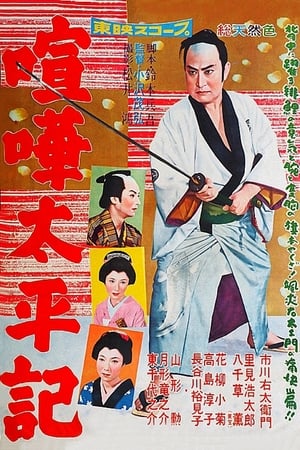
Utaemon Ichikawa plays the role of Hikoshiro Navate, who has a strong sense of justice and opposes power and tyranny with his will and spirit.
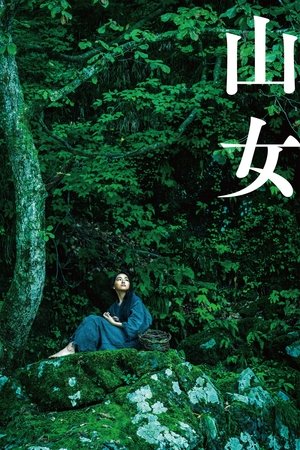
Late 18th century, Tohoku. An outcast girl, Rin lives in a village suffering from famine. She draws strength from Mt. Hayachine, where the spirits of humans ascend after passing.
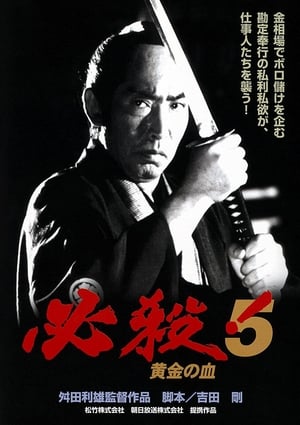
Fifth movie in the Hissatsu (Sure Death!) Series. At the behest of a corrupt bureaucrat, a mysterious band of murderers wage a bloody battle against three deadly assassins.
A poor peasant, after years of scraping, becomes a rich and powerful Osaka merchant. Mizoguchi Kenji's final project; he died before completing it and directing duties turned over to Yoshimura Kozaburo.
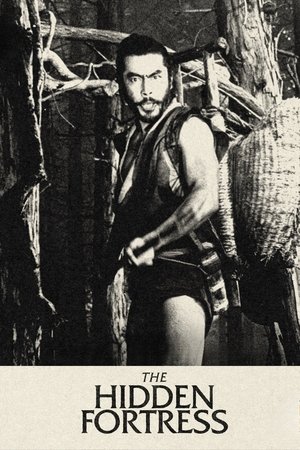
In feudal Japan, during a bloody war between clans, two cowardly and greedy peasants, soldiers of a defeated army, stumble upon a mysterious man who guides them to a fortress hidden in the mountains.
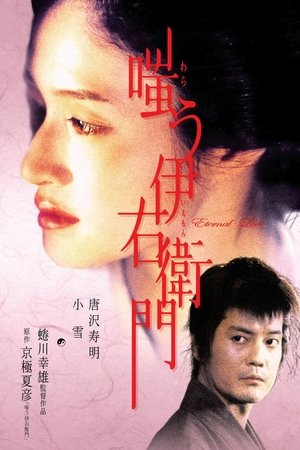
Having put down his sword and given up the will to fight, the masterless samurai Iemon lives in solitude while being haunted by his violent enigmatic past...
Returning to their lord's castle, samurai warriors Washizu and Miki are waylaid by a spirit who predicts their futures. When the first part of the spirit's prophecy comes true, Washizu's scheming wife, Asaji, presses him to speed up the rest of the spirit's prophecy by murdering his lord and usurping his place. Director Akira Kurosawa's resetting of William Shakespeare's "Macbeth" in feudal Japan is one of his most acclaimed films.
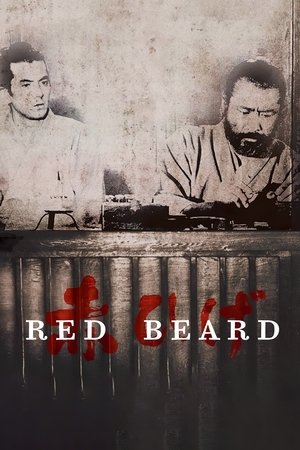
Aspiring to an easy job as personal physician to a wealthy family, Noboru Yasumoto is disappointed when his first post after medical school takes him to a small country clinic under the gruff doctor Red Beard. Yasumoto rebels in numerous ways, but Red Beard proves a wise and patient teacher. He gradually introduces his student to the unglamorous side of the profession, ultimately assigning him to care for a prostitute rescued from a local brothel.
Ichibei, a thief known as "Yami no Kiba," and his daughter Oasa are caught by members of a street performer family with a nationwide organization when the kite they are riding falls deep into the mountains of Owari. Nitayu, the key person in the clan, learns of Ichibei's obsession to avenge his father's murder by the Tokugawas and promises to help him. When Ichibei learns of Shogun Ienari's plan to transport a pure gold statue of Prince Ieyasu from Sunpu to Edo Castle, he joins forces with the bandit Kojiro to steal it. ......
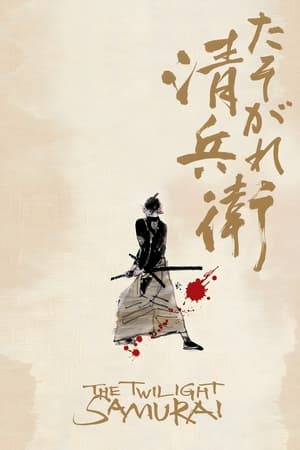
Seibei Iguchi leads a difficult life as a low ranking samurai at the turn of the nineteenth century. A widower with a meager income, Seibei struggles to take care of his two daughters and senile mother. New prospects seem to open up when the beautiful Tomoe, a childhood friend, comes back into he and his daughters' life, but as the Japanese feudal system unravels, Seibei is still bound by the code of honor of the samurai and by his own sense of social precedence. How can he find a way to do what is best for those he loves?
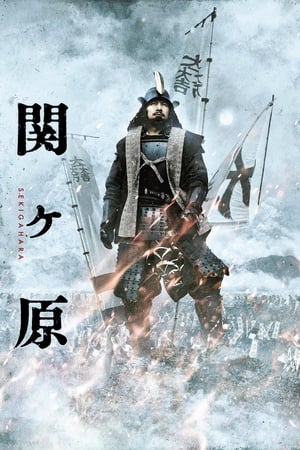
The background to and depiction of a watershed battle in Japanese history, at Sekigahara in 1600, when Tokugawa Ieyasu's Army of the East defeated the Army of the West of Ishida Mitsunari. The story includes the intrigues and shifting loyalties of the various retainers, family members, and samurai.
A samurai answers a village's request for protection after he falls on hard times. The town needs protection from bandits, so the samurai gathers six others to help him teach the people how to defend themselves, and the villagers provide the soldiers with food.