This film follows the lives of undocumented Vietnamese workers in Taiwan doing odd jobs to survive, after having been forced to flee their employers due to harsh working conditions and lack of medical care. How will living this way for more than a decade shape their lives?
A dramatised examination of the health issues and social consequences of America's love affair with fast food.
Lichter is an episodic tale from Hans-Christian Schmid about the life on the border between Germany and Poland. The film sheds light on the everyday stories of escape and desperateness.
The Berlin construction workers Micha, Silvio and Norbert are out of work. The way out spells - Norway. Because German craftsmen are in demand. The three, with 17 other desperate people, are bawling Norwegian and preparing themselves for "it's always just salmon" and fearing the darkness. Too bad that their wives have other plans.
An undocumented immigrant finds a human heart in one of the toilets of the west London hotel where he works with other undocumented immigrants.
A rascally nearing-retirement man juggles a workers' compensation suit while secretly working for his nemesis and flirting with his nemesis' young wife. As his estranged son returns, he faces new family responsibilities, while a banker plots to evict him from his home.
First met when they were duped by an illegal recruiter, Buddy and Sol join forces to solve a mystery that happened inside the house of the former's girlfriend.
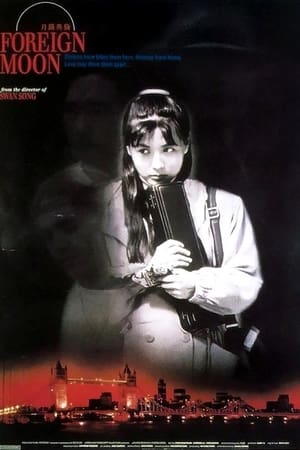
Drama about a young Chinese girl who arrives in London to pursue her dreams, and the three men who fall for her. In order to study music, Lan Lan must marry her sponsor's son, for whom she has no affection. She eventually takes flight and befriends a Chinese engineer and his flatmate. Together they set up an illegal Chinese food takeaway, but as the business flourishes, the tensions in their relationship surface.
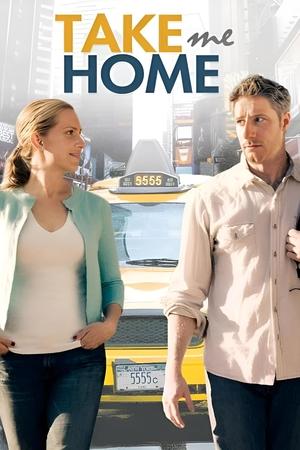
In New York City, Thom is broke and jobless, illegally working as a taxi driver. Claire is a successful business-woman, but personally she's in shambles - then comes the phone call that her estranged father is in the hospital. Not knowing what to do, Claire hops in Thom's cab and orders him to just drive and so he does. They find themselves in Pennsylvania and Claire makes the rash decision to drive across the country to California. On the road, there are many detours as the obstacles and secrets force them to learn about themselves and each other.
Mariusz lives in a cramped apartment in an old tenement with his mother, who suffers from depression and has not left the house for two years. The family survives on his father's pension. Mariusz should be finishing technical school, but he doesn't go to school. He earns money by finishing apartments in new housing estates and dealing drugs. He wants to improve his lot. He leaves his mother and rents an apartment in a new housing development. He thinks he will move up the social hierarchy by moving there. It turns out that it is not so easy to escape from his previous life and become a different person.
El Cholo, a Peruvian taxi driver, flees from justice in his country and comes to Venezuela in search for a better future. After running into a gang of con-men who leave him penniless, he meets a peculiar group of Latin Americans who work for a gangster known as The Russian as hitmen. El Cholo is quickly trapped in a world of blood and ambition that makes him realize the true cost of life and death.
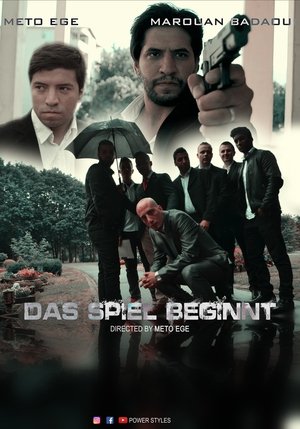
Das Spiel Beginnt
Ordinary people suddenly find themselves face-to-face with a mysterious, silent camera operator.
Explains Heo Jun’s Dongui Bogam [동의보감] which is an important book in traditional Korean medicine. Heo Jun [허준] was a court physician during the reign of King Seonjo of the Joseon dynasty in Korea.
'Bo' Gritz is one of America's highest decorated Vietnam veterans and the real life inspiration behind Rambo. He also killed 400 people, turned against Washington and moved to the Nevada desert where he now sleeps with many weapons. Filmed over ten years using impressive visual material, Zimmerman's portrait of Bo embodies contemporary American society in all its dizzying complexity and contradictions.
“The Revolution They Remember” compiles selected excerpts from interviews of Chinese who recall their experiences of the Cultural Revolution era, 1966-1976, drawing on more than 120 interviews in the oral history projects of the University of Pittsburgh Library and the Dartmouth College Library. The film offers rich visual material, arranging the interviews according to the historical chronology of events, with attention to age, gender, geographic breadth, and social groups. It concludes with reflections of participants and scholars on the era and its legacies today.
Varjoja Radalla is a documentary film about surviving traumatic incidences. The film is following stories of train drivers who have all unwillingly be part of fatality caused by suicides and accidents. These fatalities are common in Finland and as often as once per week, at least one person gets killed by a locomotive. These incidences cause great deal of emotional pain and many drivers are suffering from PTSD. The film is showing how peer support and talking is helping these people to release their pain. The film is focused on one weekend in a countryside where group of train drivers are talking about their experiences and what has helped them to move on with their lives.
De'aundre Bonds, actor most known for playing "Stacy" in "The Wood" tells it all in this thrilling documentary about his life. From childhood to the silver screen to prison and back again.
On a bustling footbridge separating Argentina and Paraguay, where people traffic all kinds of things in a mix of Guarani and Spanish, we meet Angel. Over the course of the next ten years, Angel will have to make decisive choices for his future.
In this documentary film, a companion to the book, Arai interviews five women from Ofunato, ages 79 to 100, who have survived as many as three tsunami in the past century! They talk about their childhood memories, their fortitude in the face of war and natural disaster, and the extraordinary depth of spoken Kesengo. Director Suzuki Yoi’s rich poetic sensibility offers a vision of humanity in all its complexity, as the film weaves together their Takuboku translations, poetry by the women themselves, and local songs. Their stories and their language will become a part of everyone who listens to their voices