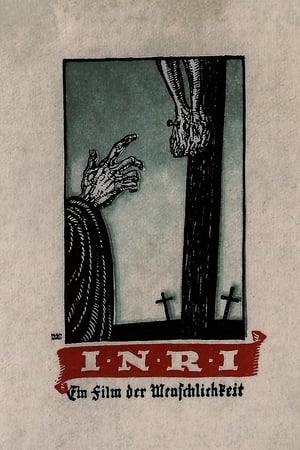
From the director of Cabinet of Dr. Caligari, this is the Passion embedded in a contemporary story. An anarchist jailed for an attempted assassination is told the Passion story by the prison chaplain.
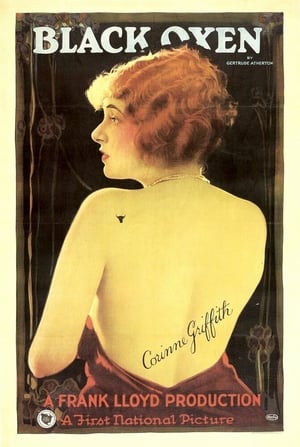
A Manhattan playboy falls for a mysterious European woman, whom he notices is an exact double for a famous socialite who disappeared at the turn of the century. At first he thinks it's just a coincidence, as the beautiful young woman he's romancing is much younger than the woman who vanished, who would be in her late 50s or early 60s by now. Soon, however, he begins to believe that maybe it's not such a coincidence after all.
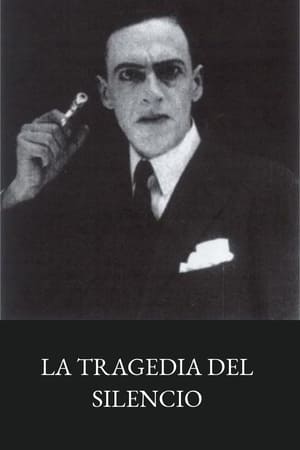
During the carnival the painter Marcello, who has just sold a painting, meets his beautiful neighbour Lucy, disguised as Pierette. That very night Marcello leaves at home his girlfriend Giulia, to bring Lucy to the masked ball. At night, as the two are at the ball, Lucy’s mother doesn’t feel well and calls for help. Giulia, hearing the cry, quickly assists her. As Giulia notices, that the woman is going to die without having seen her daughter a last time, she decides to disguise herself as Pierrette. Kneeling beside the bed of the dying woman, she hears her say the last words: “My daughter”. (Cineteca MNC)
A married farmer falls under the spell of a slatternly woman from the city, who tries to convince him to drown his wife.
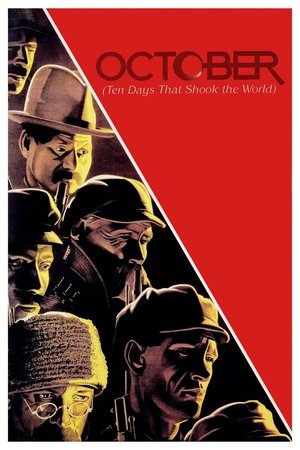
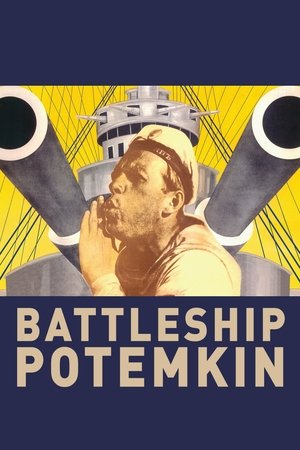
Sergei M. Eisenstein's docu-drama about the 1917 October Revolution in Russia. Made ten years after the events and edited in Eisenstein's 'Soviet Montage' style, it re-enacts in celebratory terms several key scenes from the revolution.
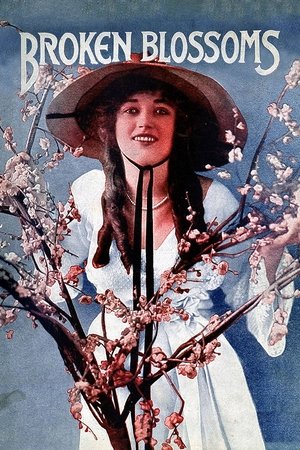
A frail waif, abused by her brutal boxer father in London's seedy Limehouse District, is befriended by a sensitive Chinese immigrant with tragic consequences.
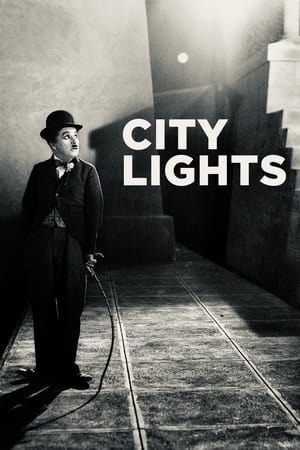
A tramp falls in love with a beautiful blind flower girl. His on-and-off friendship with a wealthy man allows him to be the girl's benefactor and suitor.
The rise and inevitable fall of an amoral but naive young woman whose insouciant eroticism inspires lust and violence in those around her.
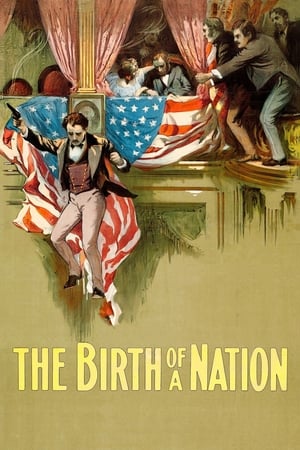
Two families, abolitionist Northerners the Stonemans and Southern landowners the Camerons, intertwine. When Confederate colonel Ben Cameron is captured in battle, nurse Elsie Stoneman petitions for his pardon. In Reconstruction-era South Carolina, Cameron founds the Ku Klux Klan, battling Elsie's congressman father and his African-American protégé, Silas Lynch.
A dramatized account of a great Russian naval mutiny and a resultant public demonstration, showing support, which brought on a police massacre.
This pioneering documentary film depicts the lives of the indigenous Inuit people of Canada's northern Quebec region. Although the production contains some fictional elements, it vividly shows how its resourceful subjects survive in such a harsh climate, revealing how they construct their igloo homes and find food by hunting and fishing. The film also captures the beautiful, if unforgiving, frozen landscape of the Great White North, far removed from conventional civilization.
Audiovisual view for decisive days in a life of a lightly hearing person.
Due to an unfortunate mistake with laboratory samples, a young husband is diagnosed as suffering from the terrible disease of leprosy. In his distress he decides to leave home.
Madrid, Spain. A mutilated man, a war veteran, walks, leaning on a crutch, through the stadium of the Ciudad Universitaria, a place that still preserves in walls and buildings the terrifying traces of one of the bloodiest battles of the Spanish Civil War.
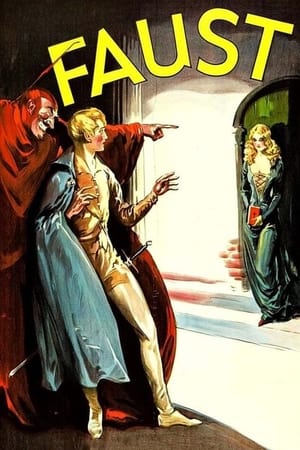
God and Satan wager on the soul of a learned and prayerful alchemist as part of their eternal war over Earth.
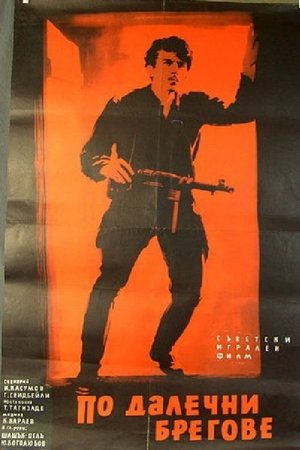
The film portrays the life of the legendary Azerbaijani guerrilla of the Second World War Mehdi Huseynzadeh, who fought the Nazi forces in the present-day Italy and Slovenia, hence the film's name On distant shores referring to the Adriatic Sea.
While looking for a job, a group of people end up in a private residence where they are forced to become dogs.
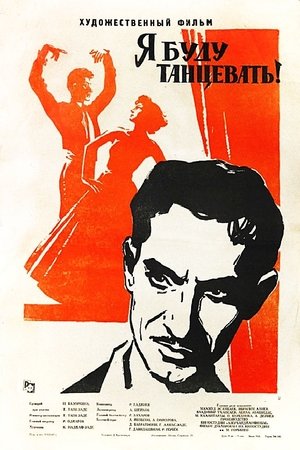
The film is about famous Chechen ballet and folk dancer Mahmud Essembayev's life.
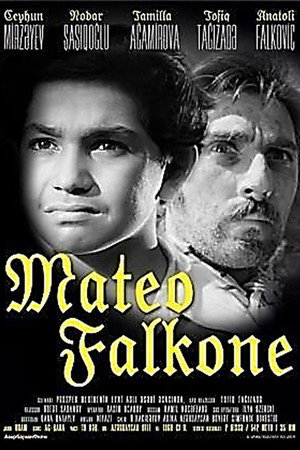
Matteo Falcone is an Azerbaijani short drama film based on Prosper Merimée's like-named story from 1829. Matteo Falcone is a successful Corsican, who lives with his wife Giuseppa and 10-year-old son Fortunato. One day he leaves home with Giuseppa, leaving Fortunato alone.
1952 reconstruction of Gelabert’s Café Brawl (1897). This remake is the only surviving version, recreating the original lost film’s café fight scene.