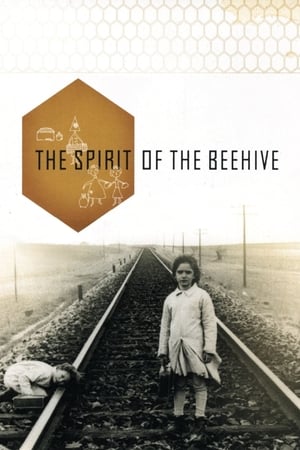
In 1940, in the immediate aftermath of the Spanish Civil War, a young girl living on the Castilian plain is haunted after attending a screening of James Whale's 1931 film Frankenstein and hearing from her sister that the monster is not dead, instead existing as a spirit inhabiting a nearby barn.
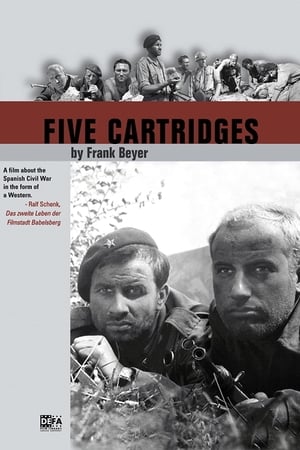
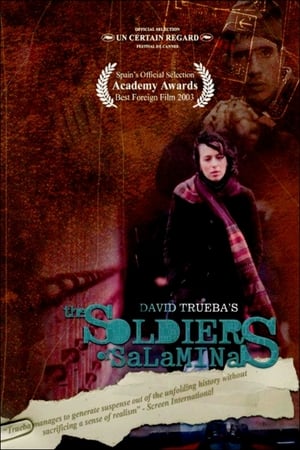
It is the year 1936 and the Spanish Civil War is raging. When the German commander of an international brigade is badly wounded he gives his five comrades a message which he divides up and secretes into in five cartridges. All five shells must reach the battalion in order for the message to be relayed. But Frenchman Pierre can’t bear the heat of the Sierra. When he leaves their hide-out to drink from a well he is hit by an enemy bullet.
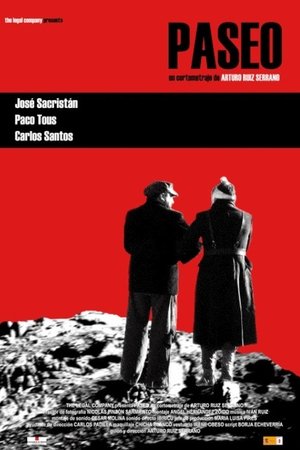
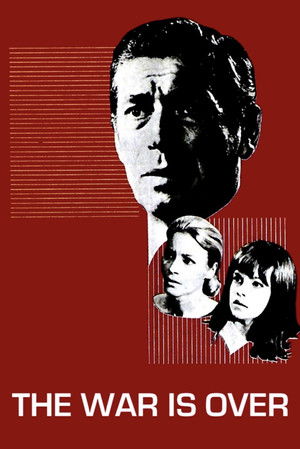
Manuela is left behind when her husband Justo fights for his ideals against Franco's Nationalists during the Spanish Civil War. He is deported to a concentration camp, and upon his release, continues the fight against nationalism in the French resistance. Years pass without a word from him, but his wife never gives up hope of seeing him again.
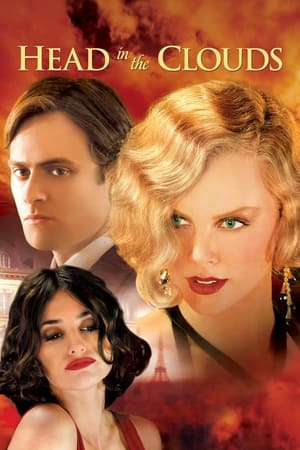
Gilda Bessé shares her Paris apartment with an Irish schoolteacher, Guy Malyon, and Mia, a refugee from Spain. As the world drifts toward war, Gilda defiantly pursues her hedonistic lifestyle and her burgeoning career as a photographer. But Guy and Mia feel impelled to join the fight against fascism, and the three friends are separated.
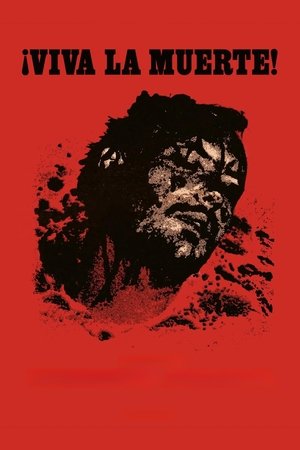
At the end of the Spanish civil war, Fando, a boy of about ten, tries to make sense of war and his father's arrest. His mother is religious, sympathetic to the Fascists; his father is accused of being a Red. Fando discovers that his mother may have aided in his father's arrest. Sometimes we witness Fando imagining explanations for what's going on; sometimes we see him at play, alone or with his friend Thérèse. Oedipal fantasies and a lad's natural curiosity about sex and death mix with his search for his mother's nature and his father's fate. Will Fando survive the search?
Colometa is an average housewife with two children to care for in the late 1930's, as the Spanish Civil War is starting and her husband goes off to fight. She had been an ordinary woman working in a shop when she met the lively carpenter who married her, and their life together was without major problems. But now she is forced to raise her children under straitened circumstances, and after her husband dies, her life undergoes another major change as she marries for the second time. Underneath Colometa's acquiescent, forebearing exterior must lie just a few discontents, a few unrealized dreams - but they never surface as she blithely moves from one episode in her life to another.
Arising out of the horror of the Spanish Civil War, a candidate for canonization is investigated by a journalist who discovers his own estranged father had a deep, dark and devastating connection to the saint's life.While researching the life of Josemaria Escriva, the controversial founder of Opus Dei, the young journalist Robert uncovers hidden stories of his estranged father Manolo, and is taken on a journey through the dark, terrible secrets of his family’s past.
True story of thirteen totally normal young women that suffered harsh questioning and were put in prison under made up charges of helping the rebellion against Franco back in the 1940s. Despite of their innocence, the thirteen were soon executed without even a trace of evidence of any wrong doing.
The film centres on Moncho and his coming-of-age experience in Galicia in 1936. Moncho develops a close relationship with his teacher Don Gregorio who introduces the boy to different things in the world. While the story centres on Moncho's ordinary coming-of-age experiences, tensions related to the looming Spanish Civil War periodically interrupt Moncho's personal growth and daily life.
Spain in the 1930s is the place to be for a man of action like Robert Jordan. There is a civil war going on and Jordan—who has joined up on the side that appeals most to idealists of that era—has been given a high-risk assignment up in the mountains. He awaits the right time to blow up a crucial bridge in order to halt the enemy's progress.
Los ojos perdidos
Decidme cómo es un árbol
Thirteen-year-old Ramon is on the verge of many adolescent discoveries -- and the confusion that goes along with them. Shy and awkward, he's moved from town to town throughout his childhood and believes that life is about winning and losing. But he soon learns it's all about survival. Like Ramon, Spain is in transition (President Francisco Franco is about to die); it's a time of social upheaval marked by change, illusion and struggle.
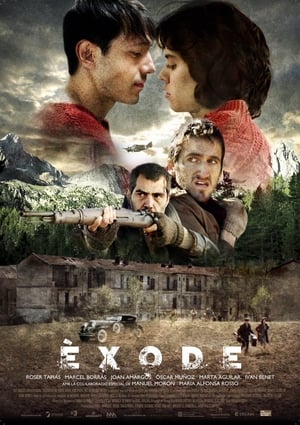
Èxode, de la batalla a la frontera
Professor Lola Sánchez investigates the truth behind the events experienced by Rafael Sánchez Mazas, one of the founders of the Falange Española party, during the Spanish Civil War.
La fossa
David Carr is a British Communist who is unemployed. In 1936, when the Spanish Civil War begins, he decides to fight for the Republican side, a coalition of liberals, communists and anarchists, so he joins the POUM militia and witnesses firsthand the betrayal of the Spanish revolution by Stalin's followers and Moscow's orders.
A dying man in his forties recalls his childhood, his mother, the war and personal moments that tell of and juxtapose pivotal moments in Soviet history with daily life.
In post–civil war Spain, 10-year-old Ofelia moves with her pregnant mother to live under the control of her cruel stepfather. Drawn into a mysterious labyrinth, she meets a faun who reveals that she may be a lost princess from an underground kingdom. To return to her true father, she must complete a series of surreal and perilous tasks that blur the line between reality and fantasy.
Spain, 1939. In the last days of the Spanish Civil War, the young Carlos arrives at the Santa Lucía orphanage, where he will make friends and enemies as he follows the quiet footsteps of a mysterious presence eager for revenge.