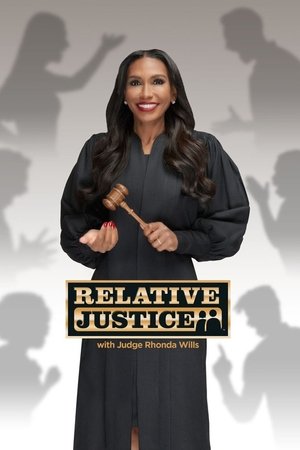
Under the watchful eye of Judge Rhonda Wills, the show pulls back the curtain on family disputes, moving the drama from the dining room to the courtroom.
Das Strafgericht
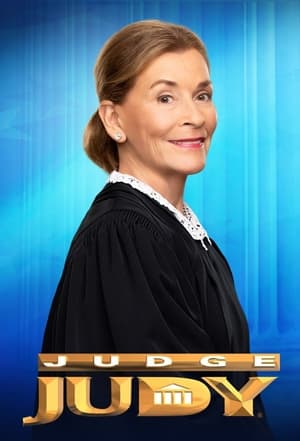
Judge Judy is an American arbitration-based reality court show presided over by retired Manhattan Family Court Judge Judith Sheindlin. The show features Sheindlin adjudicating real-life small claims disputes within a simulated courtroom set. All parties involved must sign contracts, agreeing to arbitration under Sheindlin. The series is in first-run syndication and distributed by CBS Television Distribution. Judge Judy, which premiered on September 16, 1996, reportedly revitalized the court show genre. Only two other arbitration-based reality court shows preceded it, The People's Court and Jones and Jury. Sheindlin has been credited with introducing the "tough" adjudicating approach into the judicial genre, which has led to several imitators. The two court shows that outnumber Judge Judy's seasons, The People's Court and Divorce Court, have both lasted via multiple lives of production and shifting arbiters, making Sheindlin's span as a television arbiter the longest.
Six stories about six people facing accusations in court.
In the criminal justice system, sexually-based offenses are considered especially heinous. In New York City, the dedicated detectives who investigate these vicious felonies are members of an elite squad known as the Special Victims Unit. These are their stories.
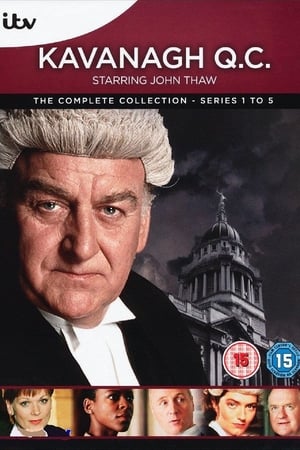
John Thaw dons the silks as barrister James Kavanagh Q.C., one of the most highly respected criminal advocates in London, commanding admiration from colleagues and opponents alike. However, all this has come at a price as his dedication to work has taken its toll on his private life… Going beyond traditional courtroom dramas, “Kavanagh Q.C.” uncovers the pressures of legal battles and the problems of defining the truth, providing a compelling representation of the euphoric ups and costly downs of success and failure in the legal world.
Three lawyers with strong and unique characters settle disputes that fall under the jurisdiction of the Small Claims Court. In addition to hearing the cases, the champions of justice give us privileged access to the debates leading up to the verdict. Who will win the case? How much will be paid as compensation? It will be up to the three lawyers to decide... and the production to pay the damages!
A gorgeous Yankee litigator and a charming southern attorney must hide their intense mutual attraction as a police sex scandal threatens to tear the city of Charleston, S.C. apart.
A much cherished annual tradition since 1972, the show includes special musical performances, reports on New Year’s celebrations from around the globe and the traditional countdown to midnight along with the iconic Times Square ball drop.
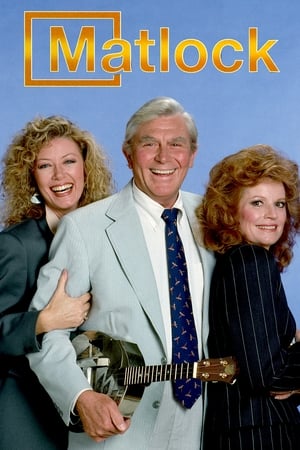
Thrifty, folksy and cantankerous, Matlock charges a premium for his services but is worth every penny: This renowned attorney, always clothed in his trademark light-gray suit and driving his signature Ford Crown Victoria, has an uncanny knack for finding overlooked clues and exposing murderers in dramatic courtroom scenes.
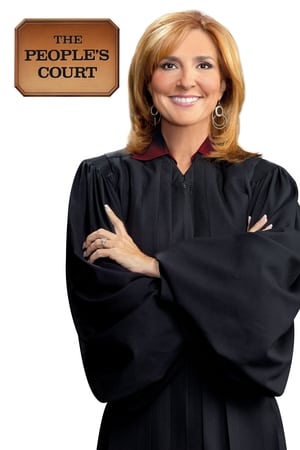
The People's Court is an American arbitration-based reality court show currently presided over by retired Florida State Circuit Court Judge Marilyn Milian. Milian, the show's longest-reigning arbiter, handles small claims disputes in a simulated courtroom set. The People's Court is the first court show to use binding arbitration, introducing the format into the genre in 1981. The system has been duplicated by most of the show's successors in the judicial genre. Moreover, The People's Court is the first popular, long-running reality in the judicial genre. It was preceded only by a few short-lived realities in the genre; these short-lived predecessors were only loosely related to judicial proceedings, except for one: Parole took footage from real-life courtrooms holding legal proceedings. Prior to The People's Court, the vast majority of TV courtroom shows used actors, and recreated or fictional cases. Among examples of these types of court shows include Famous Jury Trials and Your Witness. The People's Court has had two contrasting lives. The show's first life was presided over solely by former Los Angeles County Superior Court Judge Joseph Wapner. His tenure lasted from the show's debut on September 14, 1981, until May 21, 1993, when the show was cancelled due to low ratings. This left the show with a total of 2,484 ½-hour episodes and 12 seasons. The show was taped in Los Angeles during its first life. After being cancelled, reruns aired until September 9, 1994.
Crime & Punishment is a 2002 reality television, nontraditional court show spin-off of the Law & Order franchise. It premiered on NBC on Sunday, June 16, 2002, and ran through the summers of 2002, 2003, and 2004.
The gripping true crime event follows a re-enactment of a real manslaughter case, presented word-for-word with actors, before a new jury of 12 everyday Australians. But will they come to the same verdict as the original trial?
A sexy, suspense-driven legal thriller about a group of ambitious law students and their brilliant, mysterious criminal defense professor. They become entangled in a murder plot and will shake the entire university and change the course of their lives.
Space Cadets is a British television program made by Zeppotron for Channel 4. Presented by Johnny Vaughan, it was aired across ten consecutive nights beginning on 7 December 2005, with the final episode aired on the evening of 16 December 2005. It was accompanied by a behind-the-scenes sister show Space Cadets: The Satellite Show, with interviews and phone-ins.
Belgian reality soap around court cases.
Judge Dad brings a father's tough love and common sense to resolving real world disputes with cheating spouses, sneaky roommates, creepy landlords, disappointing friends, greedy siblings and scheming coworkers.
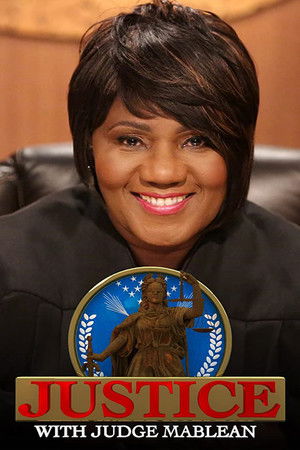
Judge Mablean Ephriam, who presided over "Divorce Court" from 1999-2006 as the first star of the revived version of the show, returns to the courtroom genre with his half-hour series that deals with life and the law. The former Los Angeles-based prosecutor takes on the typical cases that are found on TV court shows. The arbitrator says that her show "will be life because everything we do, it involves the law."
Close to Home
Popular lawyer Anne-France Goldwater takes an honest look at real legal cases that are as unusual as they are hard to settle!