Starting with a long and lyrical overture, evoking the origins of the Olympic Games in ancient Greece, Riefenstahl covers twenty-one athletic events in the first half of this two-part love letter to the human body and spirit, culminating with the marathon, where Jesse Owens became the first track and field athlete to win four gold medals in a single Olympics.
Part two of Leni Riefenstahl's monumental examination of the 1938 Olympic Games, the cameras leave the main stadium and venture into the many halls and fields deployed for such sports as fencing, polo, cycling, and the modern pentathlon, which was won by American Glenn Morris.
The Top Gear team hit Norway for a Winter Olympics special in which they attempt Olympic events, but with cars. In a world first, the team fire a rocket-powered Mini off a ski jump, Jeremy and James tackle the biathlon with the latest 4x4s, Richard stages a game of car ice hockey, and the new Jaguar XK races a speed skater.
19 years after the dropping of atomic bombs in Japan, the Olympic Games of 1964 took place in Tokyo. In the midst of the cold war, the games are supposed to become a symbol for a peaceful world. Especially the divided Germany is expected to prove this: By order of the IOC, both German states must participate in Tokyo with a joint team despite deep ideological rifts. The fact that athletes from both German states still had to compete against each other in order to form a joint team for the 1964 Olympic Games in Innsbruck and in Tokyo is all but forgotten. The film tells the story of the East-West German team of 1964 for the first time and is simultaneously a current document about the relation of sports and politics in international relations.
Coverage of the glorious Olympic Opening Ceremony of the Games in Tokyo. The 2020 Summer Olympics opening ceremony took place on 23 July 2021 at Olympic Stadium, Tokyo. As mandated by the Olympic Charter, the proceedings combined the formal and ceremonial opening of this international sporting event, including welcoming speeches, hoisting of the flags and the parade of athletes, with an artistic spectacle to showcase the host nation's culture and history.
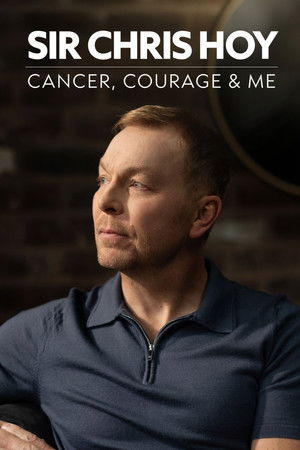
Facing the biggest challenge of his life, Sir Chris Hoy opens up about his journey with terminal cancer and how the mental strength he honed as a six-time Olympic gold medallist is now helping him to inspire others. Drawing on his Olympic career, Chris reconsiders his purpose and how he will choose to live with cancer – turning his focus towards raising awareness and inspiring others. The story follows Chris from the early stages of planning a brand new cycling event through to being joined by friends, including Sir Andy Murray, for the end result in Glasgow: the Tour de Four, a bike ride with the ambition to raise one million pounds for charity and show fellow sufferers that it’s possible to stay active throughout their treatment.
Newly restored and assembled by the International Olympic Committee - the earliest comprehensive moving-image record of the modern Olympic Games that survives today.
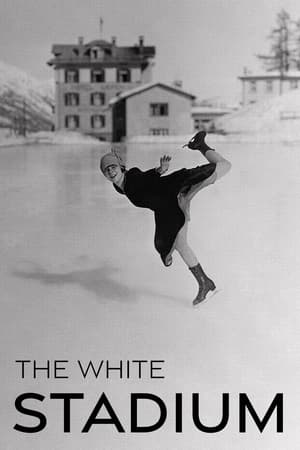
A documentary covering the Olympic Games at Chamonix in 1924.
A documentary on the 1928 Olympic Games in Amsterdam. Made by Istituto Luce, there is an understandable focus on Italian athletes, but it is the first Olympic documentary that describes the techniques of certain events.
A first part of a documentary on the 1952 Olympic Games in Helsinki.
A second part of a documentary covering the 1952 Olympic Games in Helsinki.
Documentary footage from the 1952 Olympic Games in Helsinki.
A documentary covering the 1956 Olympic Games in Cortina d’Ampezzo, Italy.
A documentary covering the 1956 Olympic Games in Melbourne and Stockholm.
A documentary about French marathon runner Alain Mimoun at the 1956 Olympic Games in Melbourne.
A documentary covering the equestrian events of 1956 Olympic Games in Stockholm.
A documentary covering the 1960 Winter Olympic Games in Squaw Valley, California.
A documentary on the 1964 Olympic Games in Innsbruck, Austria.
A documentary covering the 1964 Olympic Games in Tokyo. It consists primarily of footage edited from the documentary TOKYO OLYMPIAD, directed by Kon Ichikawa.
Film about the 10th Olympic Games in Grenoble in 1968. Using a subjective camera, Ertaud and Languepin take the pulse of the Games, cutting out the eyes and slowing down the movement when necessary. The dominant figure at the Grenoble Winter Games is Frenchman Jean-Claude Killy, whose three gold medals matched Toni Sailer's 1956 feat. The filmmakers bet on his winning streak, and include commentary from him as he prepares for each race. Another athlete, Marielle Goitschel, is treated insightfully on screen and wins the women's slalom. Ice dancing fans will appreciate the coverage of winner Oleg Protopopov and his partner Ludmila Belousova. President Charles De Gaulle was present for the spectacular Opening Ceremony.