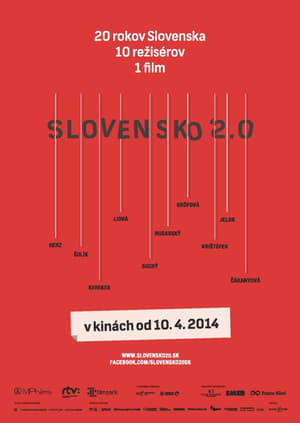
What is “Slovakia”? How to explain the notion of “Slovakia” of the past 20 years to an unknown stranger, a visitor from another planet? What is the genetic makeup or the software for “Slovakia”? How to use it? How does it change? Slovakia 2.0 is a film about twenty years of independent Slovakia as seen from the perspective of ten film directors. It is composed of ten 10-minute films of different genres ranging from drama, through animation and documentaries, to experimental film. The ten recognised film directors who offer an answer to what is Slovakia include a wide range of generations, views and genres, namely Juraj Herz, Martin Šulík, Peter Kerekes, Zuzana Liová, Mišo Suchý, Ondrej Rudavský, Iveta Grófová, Peter Krištúfek, Viera Čákanyová, and Miro Jelok.
Projektionen der Sehnsucht
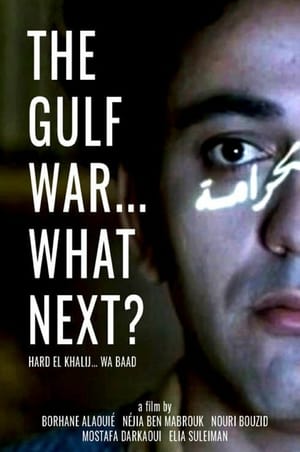
The second Gulf War from 1990 to 1991 represents in the collective Arab memory a turning point in regards to the Arab nationalism’s self-perception as well as a moment of deep historical and existential insecurity. Five Arab directors discuss the events from their personal perspective.
Is it the outrageous claims? Or just the bad acting? This early media literacy film helps kids understand that that ads are trying to, well, sell them something. Kitschy good and super tasty, it's lipsmackin' fun!
V A P O R D R E A M S
On the surface, this collection of shorts by up-and-coming African American filmmakers arrived at a perfect time. The cutting-edge products of the New Black Cinema of the early '90s had disappeared, giving way to embarrassingly stereotypical, scatological fare such as Booty Call and Next Friday. This feature-packed compilation (which includes production notes, interviews with all of the filmmakers, and audio commentary by four) attempts to prove that African American cinema is intent on moving past the lowbrow humor, as six of the seven shorts steer clear of any comedy.
Featuring seven stories from seven auteurs from around the world, the film chronicles this unprecedented moment in time, and is a true love letter to the power of cinema and its storytellers.
Hot Docs will commemorate Canada's 150th anniversary of Confederation with the commissioning of In the Name of All Canadians, a compilation of six short documentaries inspired by Canada’s Charter of Rights and Freedoms. From Indigenous rights to multiculturalism to the controversial ‘notwithstanding clause,’ participating filmmakers have each selected a specific aspect of the Charter to explore, looking at how it resonates in the stories of their fellow Canadians.
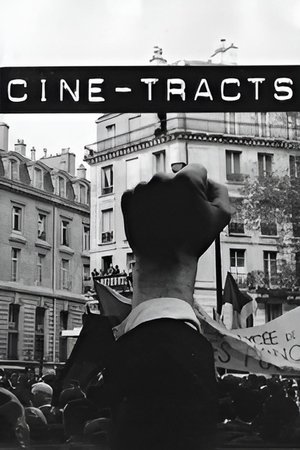
A series of 43 documentary shorts, directed (without credit) by several famous French filmmakers and each running between two and four minutes. Each "tract" espouses a leftist political viewpoint through the filmed depiction of real-life events, including workers' strikes and the events of Paris in May '68.
Two students from the Czech Film Academy commission a leading advertising agency to organize a huge campaign for the opening of a new supermarket named Czech Dream. The supermarket however does not exist and is not meant to. The advertising campaign includes radio and television ads, posters, flyers with photos of fake Czech Dream products, a promotional song, an internet site, and ads in newspapers and magazines. Will people believe in it and show up for the grand opening?
Film composed of nine short films. Short Stories 0, was released in 1993 and did not yet have that name because they were separate shorts. It would later become the prestigious annual short film competition for directors organized and produced by INCAA.
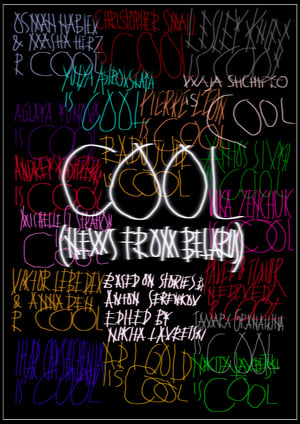
In this cinematic zine, directors scattered all over the world adapt to screen hilarious and poignant Belarusian news stories. Featuring phone thieves, TikTok storks, the tiniest castle in the world, and victims of the depression epidemic.
Two closely related episodes. Youths make problems for two local orchestras about to compete nationally, and in a talent competition a young girl gets stage fright, while another lies to her boss to compete.
Anthology short film with segments by nine directors against Silvio Berlusconi and its Forza Italia party — released ahead of the 1994 Italian general elections, which Berlusconi nevertheless won in a landslide. In Nanni Moretti's segment, he and Silvio Orlando reprise their roles from The Yes Man (1991).
High-schoolers Sally and Faith scheme to get the attention of classmates Bill and Frank by challenging them to a bake-off for a party. When the boys fail miserably to measure up, the girls give the them credit for their own excellent wares to cement a date. Sponsored by Crisco, which is featured prominently.
Football seen through the eyes of some of the best directors of the world.
TVTV turns its critical eye to the world of advertising in Adland, subtitled Where Commercials Come From. Focusing on the reality behind the image, and specifically on the strategies of Madison Avenue, they interview prominent 1970s admen such as George Lois and Jerry Della Femina. They also go behind the scenes of commercial shoots, where such figures as Ronald McDonald and the precocious child actor Mason Reese are put through grinding routines, only to reveal themselves as jaded pros off-camera. In this clear-eyed look at the manipulation inherent in advertising, the TVTV crew meets its match in the relentless cynicism and masculine braggadocio of the seasoned admen; ultimately, TVTV conveys respect for the savvy and skills of these shrewd veterans.
Story Drive: Voices Unveiled is a hybrid-documentary that showcases real-life anonymous LGBTQIA+ voicemails and adapts them into a cinematic experience contrasting personal, raw, and at times emotional testimonies with otherworldly, whimsical, and experimental animation.
Anthology film made as an act of protest against Hungarian government of Viktor Orban.
Filmmaker Craig Brewer highlights a number of independent Memphis filmmakers, and shows the full short films Broke on a Saturday, You Better Behave, Blown, Two Hundred Dollars on E-Bay, Clean Up in Booth B, The Morning Ritual and Eso-Phagas.