Two bodies and one mind, this is the extraordinary story of one pair of conjoined twins in today's world.
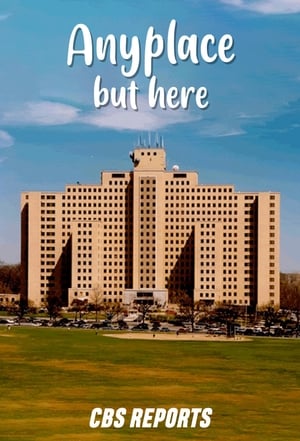
Crownsville Hospital: From Lunacy to Legacy is a feature-length documentary film highlighting the history of the Crownsville State Mental Hospital in Crownsville, MD.
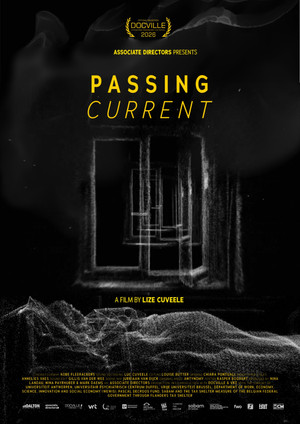
Alex works for the Dutch Railways (NS) and suffers from severe PTSD, having witnessed 36 suicides on the railway. Fimme is a former drug addict and struggles with an eating disorder. Both have searched for years for relief from their psychological suffering without success. Now they are turning their hopes to psychedelic therapy. In a vulnerable quest, they are trying to regain control of their lives through this method.
Daniel Mulholland, a master-builder uses LEGO to reshape his life after being diagnosed with PTSD. The film highlights the relationship between mental health and a simple act of kindness, showing how something as small as a plastic brick can be life-changing for oneself and others.
Laurie, a terminally ill cancer patient and loving mother of four, is granted the right to legally use magic mushrooms to treat her end of life anxiety. She then embarks on a remarkable journey of personal transformation and healing while exploring lesser known possible cures for cancer, like cannabis oil.
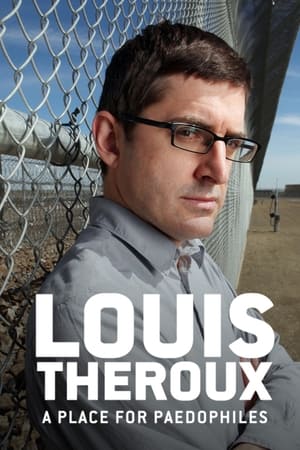
Louis has gained access to Coalinga Mental Hospital in California, which houses more than 500 of the most disturbed criminals in America, convicted paedophiles. Most have already served lengthy prison sentences, but have been deemed unsafe for release. Instead, they have been sent here for an indefinite time. Spending time with those undergoing treatment, Louis wrestles with whether he can ever allow himself to believe men whose whole history is defined by deception and deceit.
The Élan School was a for-profit, residential behavior modification program and therapeutic boarding school located deep within the woods of Maine. Delinquent teenagers who failed to comply with other treatment programs were referred to the school as a last resort. Treatment entailed harsh discipline, surveillance, degradation, and downright abuse. Years later, the patients who were institutionalized in this facility still carry the trauma they endured, with mixed opinions on the impact of their experience.
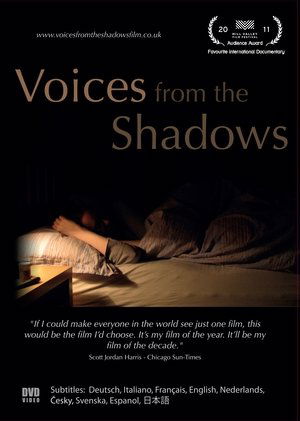
‘Voices from the Shadows’ shows the brave and sometimes heartrending stories of five ME patients and their carers, along with input from Dr Nigel Speight, Prof Leonard Jason and Prof Malcolm Hooper. These were filmed and edited between 2009 and 2011, by the brother and mother of an ME patient in the UK. It shows the devastating consequences that occur when patients are disbelieved and the illness is misunderstood. Severe and lasting relapse occurs when patients are given inappropriate psychological or behavioural management: management that ignores the severe amplification of symptoms that can be caused by increased physical or mental activity or exposure to stimuli, and by further infections. A belief in behavioural and psychological causes, particularly when ME becomes very severe and chronic, following mismanagement, is still taught to medical students and healthcare professionals in the UK. As a consequence, situations similar to those shown in the film continue to occur.
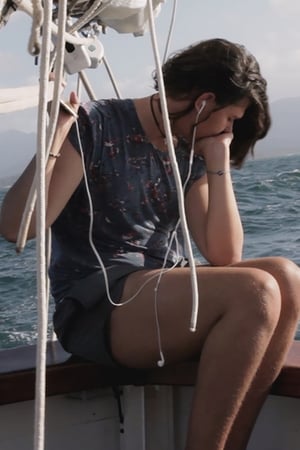
On a sailboat in the middle of the Ocean, five teenagers in rehabilitation are travelling with adults of different ages and backgrounds. Off unknown coastlines, the boat’s space becomes a huis-clos in which everyone faces their own difficulties, the challenge of living together and also the manoeuvres of sailing, the Ocean and its turmoil—until the arrival on land.
In 2007, Gillian Wearing placed an advert – in newspapers, online, in job centers, and elsewhere. It read: “Would you like to be in a film? You can play yourself or a fictional character. Call Gillian.” Of the hundreds of people who replied, seven – chosen through an extended process of auditions, interviews, and workshops – ended up appearing in Self Made. Of those seven, five in particular use the acting technique known as Method to delve into their memories, impulses, anxieties, fears, fantasies, and inner resources to create a series of individual performance vignettes, their personal ‘end scenes’, that reveal with particular intensity and clarity who they really are deep down – or who, in another version of their lives, they might easily have been.
Inside the dramatic search for a cure to ME/CFS (Myalgic Encephalomyelitis/Chronic Fatigue Syndrome). 17 million people around the world suffer from what ME/CFS has been known as a mystery illness, delegated to the psychological realm, until now. A scientist in the only neuro immune institute in the world may have come up with the answer. An important human drama, plays out on the quest for the truth.
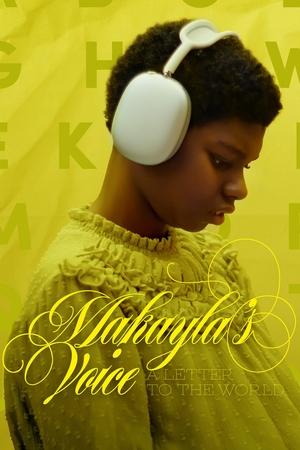
A teen with autism unlocks a joyous world of self-expression as she shares her voice for the first time using a letter board.
Based on Elizabeth Swados’ picture book of the same name, this animated short film charts one woman's struggle with depression.
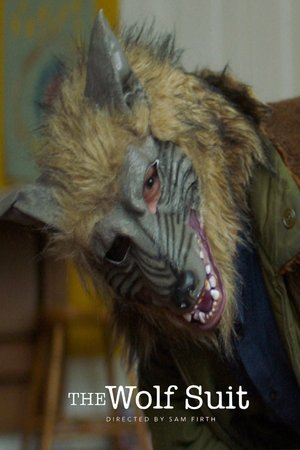
How much can you trust your childhood memories? Director Sam Firth investigates, sweeping her parents into the experiment and on a journey into the past.
Recounted mostly through animation to protect his identity, Amin looks back over his past as a child refugee from Afghanistan as he grapples with a secret he’s kept hidden for 20 years.
A documentary about young people with autism, and how arts and creative therapies help them to lead fuller lives.
The film discusses the emotional aftermath of disasters, emphasizing the importance of expressing feelings and seeking help. It highlights personal experiences of individuals affected by hurricanes and earthquakes, focusing on their feelings of guilt, anxiety, and the need for support. The discussion underscores that sharing experiences can alleviate emotional pain and that professional help should be sought for those struggling to cope with trauma.
Marusya is 16 and, like many Russian teenagers, is determined to end her life. Then she meets her soulmate in another millennial, Kimi. They spend a decade filming the euphoria and anxiety, the happiness and misery of their youth, muzzled by a violent and autocratic regime in the midst of a “depressed Russia”. This film is a cry from the heart, a tribute to an entire silenced generation.
The work of Leiden professor Bastiaans on dealing with the trauma of war victims attracts the attention of filmmaker Louis van Gasteren. He decides to make a film about the psychotherapeutic treatment with LSD of a former concentration camp prisoner in the clinic of Bastiaans. Patient Joop is arrested in September 1941 and begins a long hellish journey through various camps, until he is liberated by the Russians. When he returns to his wife, he has become a completely different man. Joop suffers from nightmares and is incapable of normal human contact. With two cameras, Van Gasteren records approximately six and a half hours of the first treatment that Joop undergoes with Bastiaans (four more will follow later). Special attention is paid to details: Joop's hands, the sweat on his forehead, a tear running slowly down his cheek. Van Gasteren reduces the recordings to more than an hour.
Martijn Van Loo, a dedicated teacher who commutes from Brussels to Mechelen, struggles because of personal and professional pressures. As the challenges of his life mount, he turns to art as a lifeline — a way to cope, connect, and keep going.