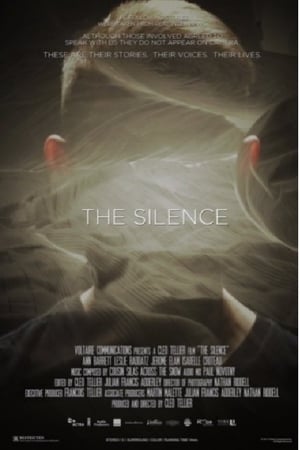
The four adult heroes and heroines of the film, who were selected in a casting call posted on TV, speak candidly on camera from the very beginning of their memories. Through individual stories, they describe their childhoods, family backgrounds, life at school, and how they spent their free time. The stories complement each other and are intertwined; we see emotions and hear things that reveal the horrific DNA of domestic violence. The documentary addresses the issue of abuse with an emphasis on the entire social environment of the victims and the societal underpinnings. Typical of domestic violence is that victims often hide it within themselves; they do not talk about it, and sometimes they do not even admit it. But in the documentary, they were determined to speak out.
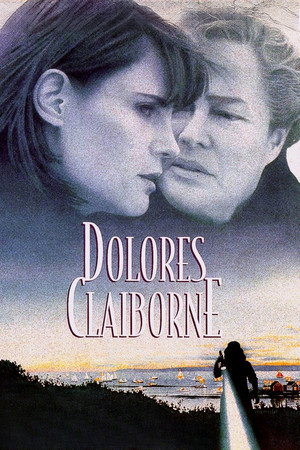
Dolores Claiborne was accused of killing her abusive husband twenty years ago, but the court's findings were inconclusive and she was allowed to walk free. Now she has been accused of killing her employer, Vera Donovan, and this time there is a witness who can place her at the scene of the crime. Things look bad for Dolores when her daughter Selena, a successful Manhattan magazine writer, returns to cover the story.
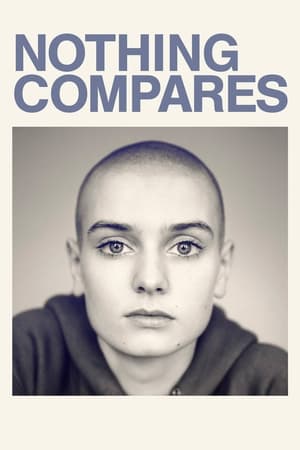
Since the beginning of her career, Sinéad O’Connor has used her powerful voice to challenge the narratives she was surrounded by while growing up in predominantly Roman Catholic Ireland. Despite her agency, depth and perspective, O’Connor’s unflinching refusal to conform means that she has often been patronized and unfairly dismissed as an attention-seeking pop star.
Four women, from different worlds, reunite after years of silence to fulfill the promise they made in childhood: to take revenge on Gerasimos Mantas, the young director who abused them at the orphanage where they grew up. However, things do not turn out as they had planned. Instead of a well-organized plan of revenge, the situation spirals out of their control, with the women becoming entangled in tragicomic situations filled with failed attempts and unpredictable events. With a dark yet comedic perspective, the film touches on deep human trauma, while the heroines’ quest for revenge becomes the focal point of a black comedy.
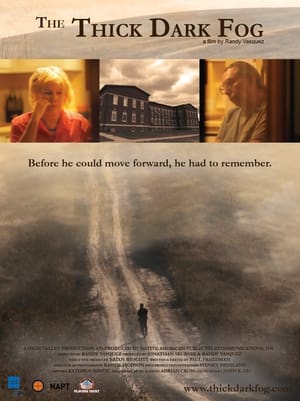
Walter Littlemoon attended a federal Indian boarding school in South Dakota sixty years ago. The mission of many of these schools in 1950, was still to “kill the Indian and save the man.” The children were beaten, humiliated or abused if they spoke their language or expressed their culture or native identity in any way. The trauma led many to alcoholism and violence in adulthood. At age 58, Walter began writing his memoirs as a way to explain his own abusive behaviors to his estranged children, but he could not complete the project without confronting the “thick dark fog” of his past so he could heal.
Ré-inventer l'enfance
Spider-Man: Don’t Hide Abuse is a 1990 animated educational short film. In it, Spiderman explains how to deal with abuse.
There are children. There are those who abuse them. And there are those who know, but never tell.
Three teens blackmail a serial killer into helping them get rid of a violent bully.
The true story of suburban housewife Gertrude Baniszewski, who kept a teenage girl locked in the basement of her Indiana home during the 1960s.
Um Crime Entre Nós
As a child, Michael Stock was sexually abused - by his own father. 25 years later he is still looking for inner peace. In conversations with his family and friends and his own reflections, he paints an ever clearer, if contradictory picture of what happened and of the consequences for each of the family members. Old family films seem to show a happy family - excerpts from Michael's first feature film hint at his extreme adult life, overshadowed by his lifelong trauma. Yet in spite of the intense drama, the film doesn't have an atmosphere of anger and hatred but rather a surprising air of hope and love of life. Michael's aim is not to accuse the "perpetrator" but to understand. In the end, he takes his video "Postcard" to his father. With the camera running, he confronts him with his past.
Fifteen years after the events of The Boys of St. Vincent took place, the various boys involved are brought in to testify against the brothers, now finally standing trial, who assaulted them when they were children.
Public safety short about the dangers to children who accept rides from strangers
Suffering child abuse marks you, conditions you and limits you. But what's next? 7:11 Cuarzo is a documentary short film that delves into the consequences and shows us various ways of experiencing grief after suffering it: the aftermath, the path after breaking the silence and destroying the stigma. It talks about the treatment and care of wounds with testimonials from those who have suffered abuse and aggression. Learning to live again when the most precious thing, innocence, is taken from you.
Melissa Lucio was the first Hispanic woman sentenced to death in Texas. For ten years she has been awaiting her fate, and now faces her last appeal.
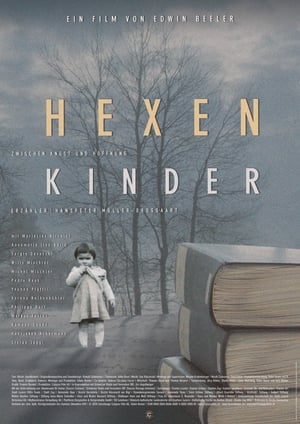
The movie recalls children who suffered mental and physical harm both during the last century, particularly in religious orphanages, and during the time of early modernperiod witch-hunts. It shows that the mindsets and behavioural patterns of both time periods are more alike than one might think.
A suburban family is torn apart when fourteen-year-old Annie meets her first boyfriend online. After months of communicating via online chat and phone, Annie discovers her friend is not who he originally claimed to be. Shocked into disbelief, her parents are shattered by their daughter's actions and struggle to support her as she comes to terms with what has happened to her once innocent life.
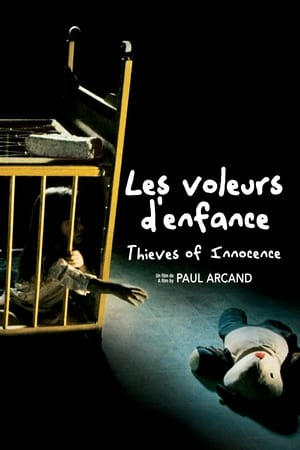
Every year in Quebec, 25,000 reports of children being beaten, sexually abused or abandoned are retained by the Directorate of Youth Protection. And nearly 40% of babies who die in the province to die because of the violence of their parents. This explains the fact that nearly 30,000 children are supported by the DPJ until the age of 18. But this government agency is in a position to meet the needs of young people? Journalist and documentary filmmaker Paul Arcand presents the testimonies of children and adult victims of abuse of all kinds, and interviews politicians, social workers and members of the judiciary on their perception of the problem. In addition, Arcand denounces the carelessness of a bureaucratic system that does not always seem to be concerned about the well-being of those for whom they are responsible.
Ria, a seven-year-old girl growing up in a village, is led by her mother to a place where a group of women from her community await her. Here she is mutilated by an unqualified cutter, who completes the cultural FGM-ritual that ensures she will one day be taken as a wife. The child, once old enough, goes on to be forcibly married and moved away from her family to the England. Eventually, Ria seeks help in escaping the life she is trapped in, but the life of her two younger sisters hang in the balance. Can she change her elders' minds and prevent them from being led down the same path? Or will they become three more of 200 million women across the globe whose wings have been crushed by FGM?