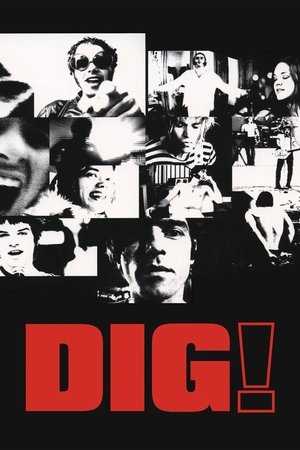
A documentary on the once promising American rock bands The Brian Jonestown Massacre and The Dandy Warhols. The friendship between respective founders, Anton Newcombe and Courtney Taylor, escalated into bitter rivalry as the Dandy Warhols garnered major international success while the Brian Jonestown Massacre imploded in a haze of drugs.
Three women in a re-entry house experience the reality of reintegration and attempt to acclimate to life after being released from incarceration and battling addiction.
An intimate look at the Woodstock Music & Art Festival held in Bethel, NY in 1969, from preparation through cleanup, with historic access to insiders, blistering concert footage, and portraits of the concertgoers; negative and positive aspects are shown, from drug use by performers to naked fans sliding in the mud, from the collapse of the fences by the unexpected hordes to the surreal arrival of National Guard helicopters with food and medical assistance for the impromptu city of 500,000.
The stranger-than-fiction true story of a Russian mobster, a Miami playboy, and a Cuban spy who teamed up in the early '90s to sell a Soviet submarine to the Cali Cartel.
In a hypercompetitive world, drugs like Adderall offer students, athletes, coders and others a way to do more -- faster and better. But at what cost?
This film points out the risks of being a heroin addict. Explains that addicts cannot be identified solely with one particular socio-economic level and cannot always be detected by appearance. Addicts and ex-addicts describe the first and subsequent drugs they used.
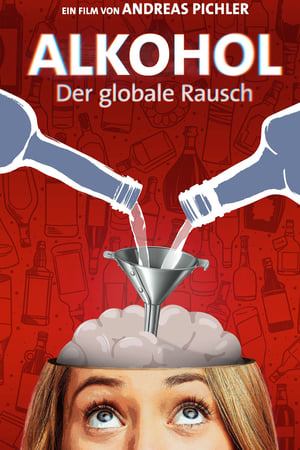
Alcohol: No substance in the world seems so familiar to us and is so incredibly diverse in its effect. Alcohol is available everywhere and this particular molecule has the power to affect all 200 billion neurons of our human brain in completely different ways. But hardly anyone calls alcohol a drug despite its psychoactive and cell-destroying effect. Why do we tolerate the death of three million people every year? Have we turned a blind eye to the dangers and risks for thousands of years? What role does the powerful alcohol industry play with an annual turnover of 1.2 trillion euros in this on-going concealment? The author, who himself enjoys having a drink, looks into the question why we drink at all, what alcohol does to us and to what extent the alcohol industry influences society and politics.
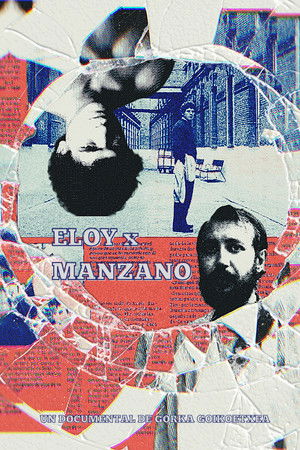
A documentary about Goran Ivandic 'Ipe', the drummer of most popular Yugoslav rock band of all time, Sarajevo-based "Bijelo dugme" (White Button). Ivandic's fatal jump from the balcony of hotel Metropol in Belgrade in 1994 sparked much controversy around his fate.
A newspaper clip of a 30-year-old movie makes our middle-aged protagonist in the middle of his peak years to look for his best childhood friend. The journey leads him back to his teenage years in the 1990s depression, over-generational substance abuse and past encounters. This partly essayistic, autobiographical documentary tells the story of friendship and generational experiences while also pondering on the causes and effects of destinies in the judgmental atmosphere of our society.
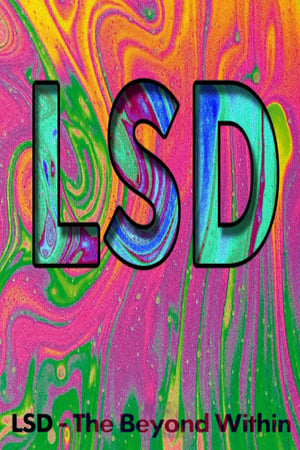
This FDA film explores the history of hallucinogenic drugs, and specifically the effects and therapeutic uses of lysergic acid diethylamide (LSD). Combining graphics that suggest a hallucinogenic experience, snippets of interviews with users (who explain their reasons for taking the drug) and doctors, and taped sessions of research with volunteers, the film delves into the destructive as well as possible positive uses of the drug.
Uncovering government agencies (especially the CIA) that secretly tested the effects of LSD on humans.
In Third Reich, the abuse of drugs made commanders and soldiers feel invincible. The Führer himself took them on daily basis. This is the unbelievable story of the D-IX project and of methamphetamines, which, abundantly furnished to soldiers, changed the course of history.
An educational film sponsored and distributed by the Los Angeles-based Narcotic Educational Foundation of America and directed by Gilbert Lasky with financial assistance of the Woman’s Relief Corps targets teachers as well as junior and senior high school students in the war on drugs. Narcotics are classified and effects of opiates, stimulants, and barbiturates are summarized and dramatized
This experimental 1970 color documentary film, ostensibly designed to provoke classroom discussion employs a boldly unconventional approach to addressing the issues of drug addiction, featuring the music of Canadian singer-songwriter Bruce Cockburn. The film eschews narration for montage effects and extended fly-on-the-wall scenes of various drug users in conversation.
Ecstasy, which started out as a psychotherapeutic drug, acquired the reputation of a happiness pill and thus became one of the most consumed recreational drugs today. Wandering through X culture exposes some surprising links between the subculture of parties, wild sex, consumerism and religion. By pointing the camera on Israel 2003 – war, religious fundamentalism, consumerism and drugs - the film depicts a world in which reality and hallucination are constantly recreating each other in an inseparable and crazy path.
Using previously unheard audiotapes recorded shortly after John Belushi’s death, director R.J. Cutler’s documentary feature examines the too-short life of the once-in-a-generation talent who captured the hearts and funny bones of devoted audiences.
Because of the big housing problem in the US many people move into cheap, run down hotels, the so-called Flophouse hotels. Twelve-year-old Mikal was born and raised in a hotel room he shares with his parents, who struggle with substance abuse. Driven by love and a desire for a better life, his greatest wish is for his mother to stop drinking. Mikal is bright and articulate, but his parents’ struggles prevent them from giving him the stability he needs. Through Mikal’s perspective, the film paints an intimate portrait of resilience, hope, and the harsh realities of life on society’s margins.
A journey through six different countries and characters into a world where chemistry is the ultimate response to human pursuits of well-being.
Interviews with former drug dealers, over-prescribing doctors and DEA agents uncover a shocking truth of the pharmaceutical industry’s plan to target opioid sales to an impoverished community.
Cocaine has always gotten a bad rap, and for a reason. It is a drug used by the rich and the poor legally and illegally, Mexican cartels fought over it with Colombia once associated with the brutal cocaine wars, and a source of tension between the American and Mexican borders on the people who are illicitly bringing in cocaine from one side of the border to another and will do anything to do it. So it can be surprising at times to the viewer throughout the course of the documentary special, that it was never always like this.