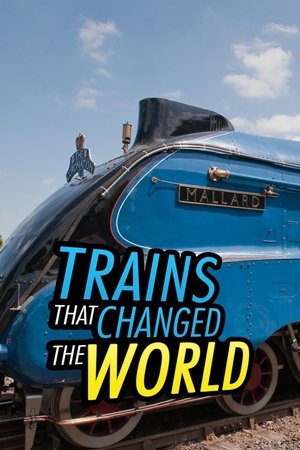
This series looks at the iconic trains that have done the most to change history. Each train is an engineering marvel, each one a leap forward in the history of trains and railways. But more than this, these are the trains that made the modern world. These are the trains that unify nations and open up continents, that miraculously shrink distance and create a global economy, changing how we trade, what we buy and make and sell. They change how we live and even how we think, speeding up our lives and expanding our horizons. These are the machines that made us modern. Each episode features one iconic train and describes its impact on railway history and on history in general, combining archive and expert testimony with actuality and hands-on engineering demonstrations.
The invention of trains transformed everything about how humans lived. From the movement of goods and population, the design of cities, to conquest and warfare, there are few aspects of civilization that were left untouched by these machines.
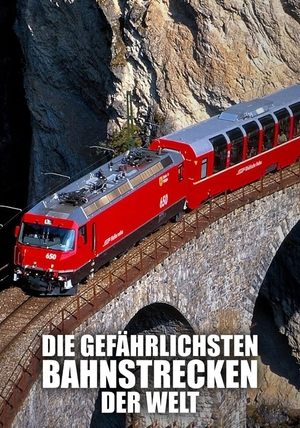
The most dangerous railway lines in the world are breathtakingly beautiful, fascinating and lead through extreme landscapes. They touch the sky and for some they go straight to hell afterwards, leading over extreme heights, across oceans or savannahs and braving hurricanes.
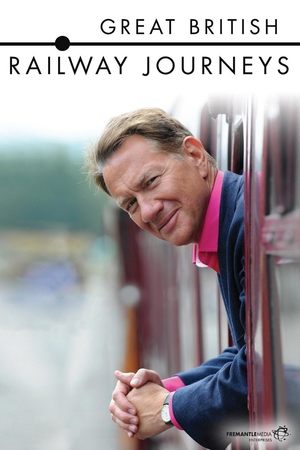
Michael Portillo takes to the tracks with a copy of George Bradshaw's Victorian Railway Guidebook. Portillo travels the length and breadth of the country to see how the railways changed us, and what of Bradshaw's Britain remains.
The stories behind the iconic structures and engineering feats that have shaped and defined our nation and our world.
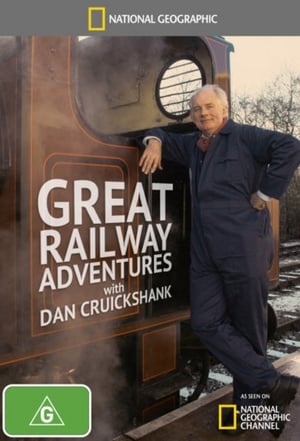
Climb up on the footplate and join historian and host Dan Cruickshank for a railway adventure like no other as he investigates how trains helped shape modern Britain. This three-part series resurrects an exhilarating age and kicks off by focusing on the railways' role in defeating Hitler, before unearthing the incredible engineering achievements of Isambard Brunel and embarking on a trip on the earliest steam engines.
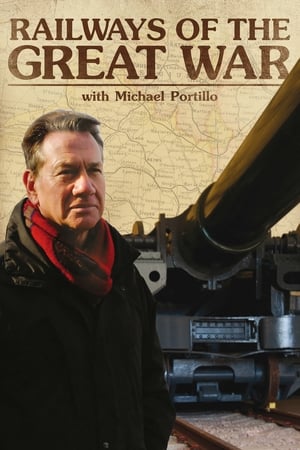
Michael Portillo examines the role of the railways in World War I and travels through Britain and Europe uncovering stories from the Great War.
The railway age in the Austrian Empire began with the construction of the horse-drawn railway from Linz to Budweis. Plans soon followed to connect the imperial capital of Vienna with the iron and coal deposits in northern Moravia and with the port city of Trieste. In 1837 the Kaiser Ferdinands Nordbahn was opened, in 1857 the Semmeringbahn planned by Karl Ritter von Ghega, overcoming one of the most difficult obstacles on the way to the Adriatic. The crossing of the Alps by train, such as over the Arlberg or the Brenner, is still considered a unique engineering masterpiece. The expansion of the railway network brought epochal changes. Goods and people circulated on an unprecedented scale – life accelerated. It had succeeded in connecting the northern crown lands such as Silesia or Bohemia and Moravia with Carinthia, Tyrol or the coastal region.
Series about striking railways in the world. Each episode travels along a number of special locations, where the train serves as a guide and there is also attention for the landscape and culture.
The World from Above is a unique continuing series of aerial programmes offering an entirely different view of the world. From 10,000ft, down to just a few feet the stabilised high definition aerial camera seeks out the beautiful, as well as the dramatic, on journeys across very different parts of the world including Europe, Africa and the United States.
Following an elite crew of workers-- brakemen, engineers, construction crews, mechanics and train drivers – Railroad Alaska illustrates the battle against ferocious weather and treacherous terrain to keep the State of Alaska’s critical 500-mile long railroad rolling to deliver life sustaining supplies. From controlled avalanches to prevent catastrophe, to fascinating characters, like Jim James, the one-handed handy man, learn what it takes to keep this train on track.
Chasing Mummies: The Amazing Adventures of Zahi Hawass is a reality television series which is airing on The History Channel in the United States. Produced by Boutique TV, this series depicts the adventures of archaeologist and Egyptologist Dr. Zahi Hawass and his discoveries in Egypt as he is followed by young archeological fellows and a camera crew. The series began on Wednesday, 14 July 2010 and aired Wednesdays at 10pm on the History Channel. The shows illustrates the complexities in the almost never-ending quest to preserve and discover artifacts from ancient Egypt.
In this five-part series, comedy legend Sir David Jason hits the West Coast of the USA. He’s on a revealing and entertaining journey of a lifetime by planes, trains and automobiles, discovering the machines that made America and changed the world.
A documentary series hosted by John Rhys-Davies based on the articles published in the magazine "Archaeology".
British comedian and travel enthusiast Griff Rhys Jones hops on some of Australia's most impressive long distance trains, travelling across the expansive outback and along spectacular coastlines.
J'irai dormir chez vous (meaning "I'll come sleep at your house") is a French travel documentary series aired on French TV channels Canal+, France 5 and Voyage. It is hosted by Antoine de Maximy. Each episode features self-recorded videos from the solo trip of the host in a country. The aim of the host is to try to dine and stay the night with the locals, to discover the local trends and way of life.
Extremely popular with French audiences, Jamy Gourmaud made science accessible to all with the cult programme “C’est pas sorcier” (It’s not rocket science). Today, he travels all over the world with journalist Églantiné Éméyé to demystify the world around us: climate change, food, road safety, air traffic, animal intelligence…even fireworks and roller coasters! Filled with funny, lively experiences, explanatory 3D images and breathtaking landscapes, “Jamy’s World” is the go-to, popular science show.
Michael Portillo is in Southeast Asia, armed with his 1913 Bradshaw's Handbook. It will lead him on a spectacular 2,500-mile railway adventure across six countries. He explores towering megacities and magnificent mosques.
Emmanuelle Gaume invites you on an unusual stroll through the heart of a metropolis. Follow in her footsteps to discover how to explore these cities in a different way.
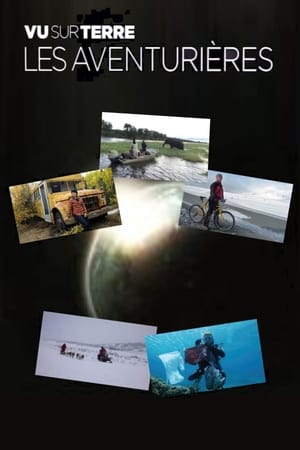
Vu sur Terre, les aventurières