A drama about the contents of a last will and testament left behind by an African-American sharecropper who was lynched after being falsely accused of the murder of a white plantation owner.
In 1812 Spain, the Marquis of Bolibar is executed after conspiring to help allied forces retake his occupied town; fate intervenes when distracted Hessian officers unwittingly transmit the dead Marquis's exact signal codes, allowing the allies to capture it.
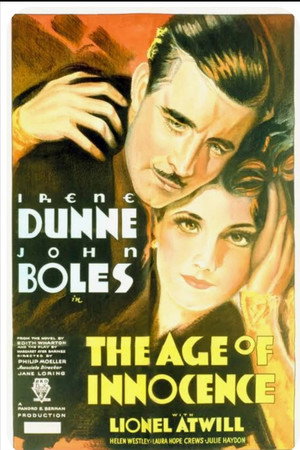
Newland Archer is engaged to May Mingott of a prominent New York family. Shortly after the engagement is announced, Newland finds himself attracted to May's older married cousin Countess Ellen Olenska.
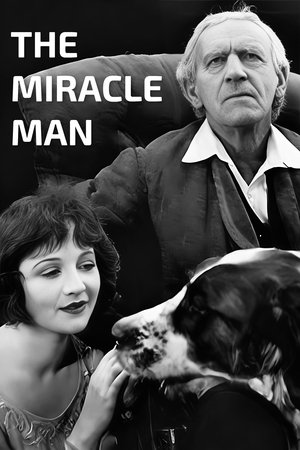
A gang of crooks evade the police by moving their operations to a small town. There the gang's leader encounters a faith healer and uses him to scam gullible public of funds for a supposed chapel. But when a real healing takes place, a change comes over the gang. Lost film, only the most famous scene has survived.
The spoiled son of a wealthy man is expelled from college. He regards it as rather a good joke, but his father warns him that he will have but one more chance to make good.
A young artist is a great lover of the beautiful, and has a natural horror of anything repulsive.
Her Ladyship, the Countess, had a faithful little page, whom she chose as her constant companion. The Lady was wooed by a wicked Baron, whom she loathed, and seldom permitted to enter her presence. The Baron retreated to his castle by the sea, and there plotted revenge on the fair lady who spurned him.
This silent mystery is considered a lost film.
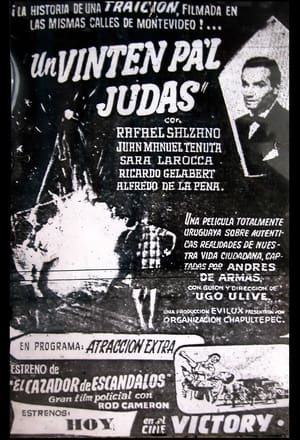
Christmas Eve. The children ask for money for the Judas (Un Vintén pa’l Judas), and the protagonist, a failed tango singer without means or will to live, meets a friend, a public employee, in search of some rummage. This one asks him to buy a lottery. The tango singer, in need of money to buy a guitar to use in a singing contest, collects the winnings for himself, betraying the trust of his friend, in the same way as the Judas that the children burn on the streets.
A woman takes the place of a wife who had died seven years earlier.
A society girl, admired and courted by many men is still indifferent to one and all.
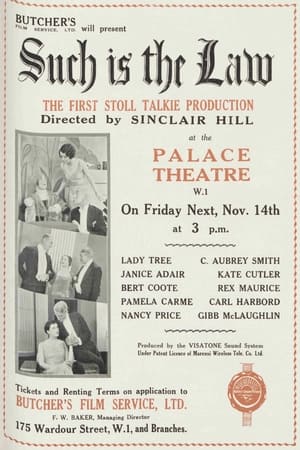
British drama centered on a mother's desperate attempts to save her daughter's failing marriage as the film explores family loyalty, domestic conflict, and the social pressures surrounding divorce during the early 1930s.
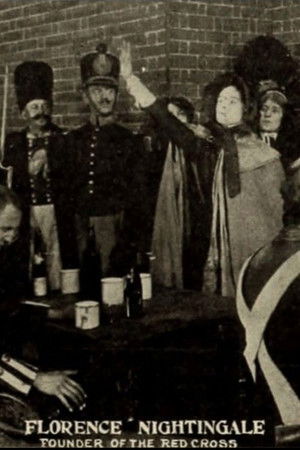
The film portrays the life of Florence Nightingale, particularly her innovations in nursing during the Crimean War (1854–56).
German silent film
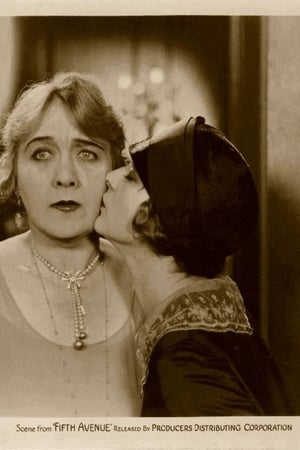
When her cotton crop is burned, Barbara Pelham, a beautiful southern girl, comes to New York to find work as a fashion designer, staying with Mrs. Kemp, a woman she meets on the northbound train. In Mrs. Kemp's house, Barbara encounters Peter Heffner, a wealthy stockbroker, and discovers from him that she has taken up residence in a whorehouse. There is a police raid, but Barbara escapes arrest and returns home. Heffner's son, Neil, goes south to inspect some family property and there meets Barbara, with whom he falls in love. They decide to be married, and she accompanies him to New York, where she meets the elder Heffner for a second time. He denounces her as a whore, but Barbara goes to Mrs. Kemp, who explains the misunderstanding to everyone's satisfaction.
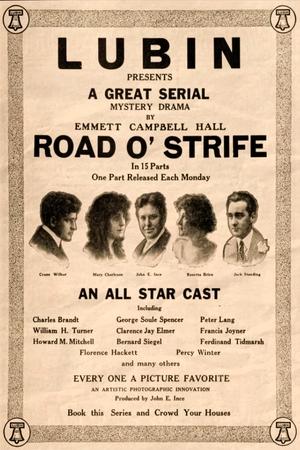
15 chapter mystery serial: [1] “The House of Secrets,” released 5 April 1915; [2] “The Face of Fear,” released 12 April 1915; [3] “The Silver Cup,” released 19 April 1915; [4] “The Ring of Death,” released 26 April 1915; [5] “No Other Way,” released 3 May 1915; [6] “The Strength of Love,” released 10 May 1915; [7] “Into the Night,” released 17 May 1915; [8] “In the Wolf’s Den,” released 24 May 1915; [9] “The Iron Hand of the Law,” released 31 May 1915; [10] “The Inspiring Sword,” released 7 June 1915; [11] “The Valley of the Shadow,” released 14 June 1915; [12] “The Sacrifice,” released 21 June 1915; [13] “The Man Who Did Not Die,” released 28 June 1915; [14] “A Story of the Past,” released 5 July 1915; [15] “The Coming of the Kingdom,” released 12 July 1915.
Joan Cameron is engaged against her will to Paul Bisson, the trading post factor. While her father and Bisson are away, Joan's sister, Esther, elopes with trapper Jules Perrault, and Joan meets Barry O'Neil, a dashing Northwest Mounted Police officer who falls in love with her and departs, promising to return.
Danny Eagan is accused of killing a gang leader named Pete. To protect the reputation and honor of the woman he loves, Danny refuses to offer any defense for himself, choosing instead to face the consequences of the charge.
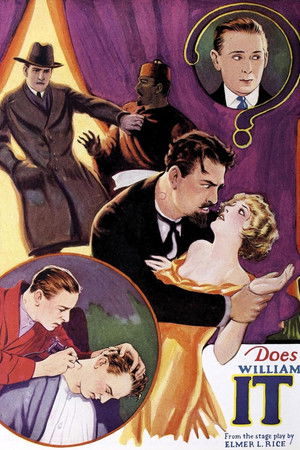
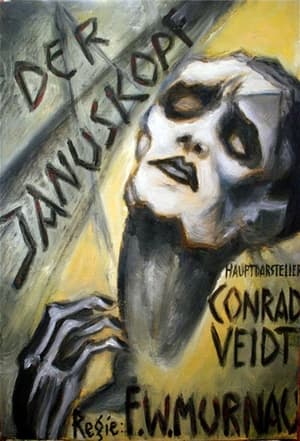
Two opposing characters are hidden in the person of the inconspicuous London gentleman Dr. Warren and Janus. A lost film.
A film adaptation (funded by Ken Togo) based on an expose book by a person involved in the Japanese entertainment industry of the time. The book describes among other things the drug-fueled parties, orgies of the entertainment business and what some celebrities like Johnny Kitagawa among others were allegedly up to in their free time. Basically giving an open-book about the secrets of the entertainment-world. The film adapts and portrays some of the shocking scenes of this book, focussing more on the gay-aspect of the expose.