Rosa is a Mexican woman who, at the age of 17, migrated illegally to Austin, Texas. Some years later, she was jailed under suspicion of murder and then taken to trial. This film demonstrates how the judicial process, the verdict, the separation from her family, and the helplessness of being imprisoned in a foreign country make Rosa’s story an example of the hard life of Mexican migrants in the United States.
Capturing Americans in communities across the country as they wrestle with the legacy of the coal industry and what its future should be under the Trump Administration. From Appalachia to the West’s Powder River Basin, the film goes beyond the rhetoric of the “war on coal” to present compelling and often heartbreaking stories about what’s at stake for our economy, health, and climate.
The reality of life before, during, and after the signing of the North American Free Trade Agreement (NAFTA), and the profound effects the economic agreements between big business and government can have on human lives. Filmed over a three year period in Canada, the United States, and Mexico, this documentary poses a sobering question: In this global war of cut-rate economies, are people on the losing side?
HOMELESS is a documentary that humanizes unhoused people and explores their backgrounds, dreams and struggles to find the way home. The film aims to raise awareness and funds to end homelessness, which is an ever more urgent global challenge: The United Nations Human Settlements Program estimates that 1.6 billion people live in inadequate housing, and the best available data suggests that more than 100 million people have no housing at all.
British Comedian Dave Gorman travels across America without supporting the 'Man'. In other words, no Holiday Inns, no Best Westerns and no Comfort Suites. No Shells, no Arcos and no BP gas stations. No MacDonalds, no Starbucks and no chains of any kind. Just Mom & Pop business all the way.
Paul Grignon's 47-minute animated presentation of "Money as Debt" tells in very simple and effective graphic terms what money is and how it is being created
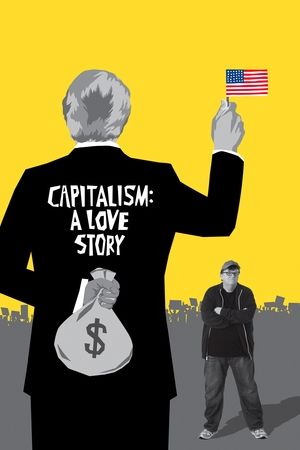
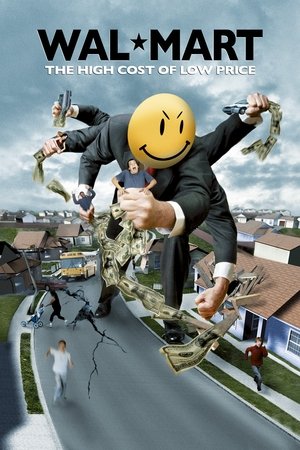
Michael Moore comes home to the issue he's been examining throughout his career: the disastrous impact of corporate dominance on the everyday lives of Americans (and by default, the rest of the world).
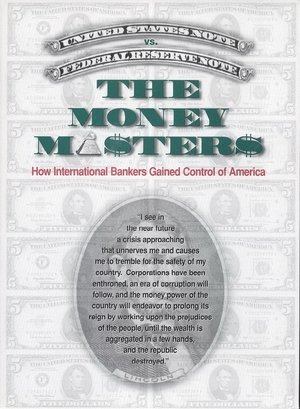
A documentary that traces the origins of the political power structure that rules our nation and the world today. The modern political power structure has its roots in the hidden manipulation and accumulation of gold and other forms of money.
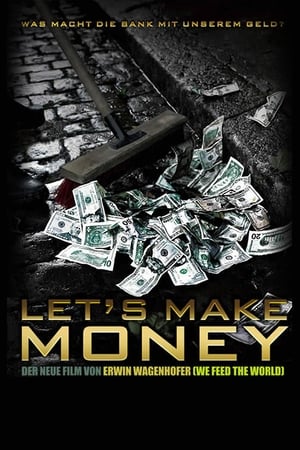
Let’s Make Money is an Austrian documentary by Erwin Wagenhofer released in the year 2008. It is about aspects of the development of the world wide financial system.
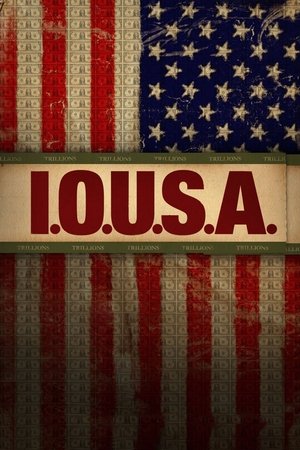
With the country's debt growing out of control, Americans by and large are unaware of the looming financial crisis. This documentary examines several of the ways America can get its economy back on the right track. In addition to looking at the federal deficit and trade deficit, the film also closely explores the challenges of funding national entitlement programs such as Social Security, Medicare and Medicaid.
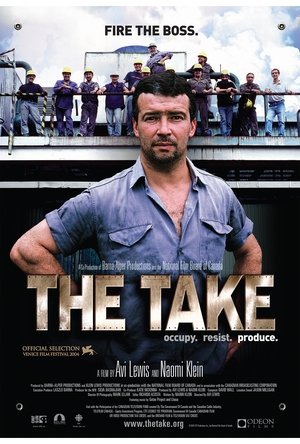
In suburban Buenos Aires, thirty unemployed ceramics workers walk into their idle factory, roll out sleeping mats and refuse to leave. All they want is to re-start the silent machines. But this simple act - the take - has the power to turn the globalization debate on its head. Armed only with slingshots and an abiding faith in shop-floor democracy, the workers face off against the bosses, bankers and a whole system that sees their beloved factories as nothing more than scrap metal for sale.
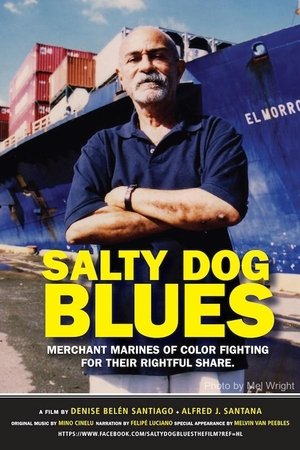
The film looks at men and women of color in the U.S. Merchant Marine from 1938-1975. Through chronicling the lives of these men and women who, with a median age of 82, are beset with a host of life-threatening illnesses, the movie tells how they navigated issues of racism, disparities in the workplace, gender and familial relations.
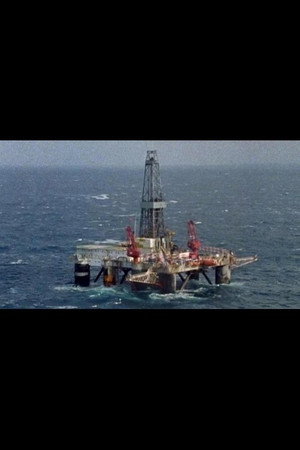
This documentary focuses on boom-and-bust economic cycles, most notably that of Alberta oil during the '70s and early '80s. When the bust hit after a drop in world oil prices, those business people who knew how to "ride a tornado" cut their losses and moved on, while others were left devastated. When Newfoundland was faced with a possible oil boom of its own in the mid-'80s, it took the lessons of Alberta to heart. Part 3 of the series, Reckoning: The Political Economy of Canada.
This documentary from 1987 looks at the serious malaise that plagued the US manufacturing sector at the time. No longer competitive in the world market, and forced to buy more than it could sell, the US nevertheless continued to bask in the glow of past glory rather than face its immediate predicament. Meanwhile, Japan and other Pacific Rim countries were gaining economic ground, perhaps permanently. This film was part one of the series, Reckoning: The Political Economy of Canada.
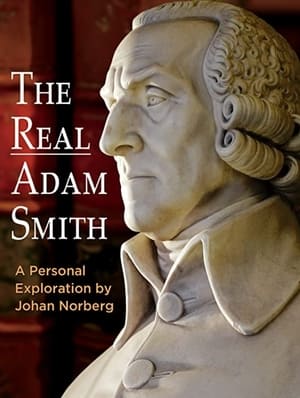
The Real Adam Smith: A Personal Exploration by Johan Norberg, takes an intriguing, two-part look at Smith and the evolution and relevance of his ideas today, both economic and ethical. It’s difficult to imagine that a man who lived with horse drawn carriages and sailing ships would foresee our massive 21st century global market exchange, much less the relationship between markets and morality. But Adam Smith was no ordinary 18th century figure. Considered the “father of modern economics,” Smith was first and foremost a moral philosopher. The revolutionary ideas he penned in The Wealth of Nations and The Theory of Moral Sentiments, changed the world. Norberg explores Smith’s insights regarding free trade and the nature of wealth to the present, where they are thriving and driving the world’s economy.
The film is a controversy on democracy. Is our society really democratic? Can everyone be part of it? Or is the act of being part in democracy dependent to the access on technology, progression or any resources of information, as philosophers like Paul Virilio or Jean Baudrillard already claimed?
This documentary takes the viewer on a deeply personal journey into the everyday lives of families struggling to fight Goliath. From a family business owner in the Midwest to a preacher in California, from workers in Florida to a poet in Mexico, dozens of film crews on three continents bring the intensely personal stories of an assault on families and American values.
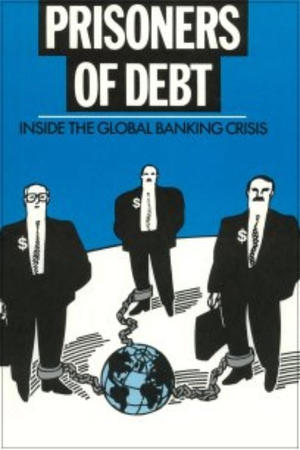
This feature documentary reveals how Bank of Montreal chairman William Mulholland dealt with his debt-laden customers Dome Petroleum and Mexico during the global debt crisis of '82. Interviews with bankers and financial experts demystify the causes of debt crisis, confirm the fragility of the international banking system and outline the problems to be solved if the system is to survive.
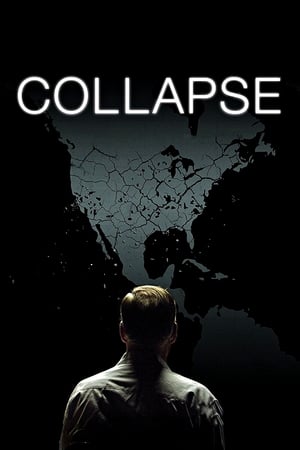
From the acclaimed director of American Movie, the documentary follows former Los Angeles police officer turned independent reporter Michael Ruppert. He recounts his career as a radical thinker and spells out his apocalyptic vision of the future, spanning the crises in economics, energy, environment and more.
A documentary on the rise and fall of Project Cybersyn, an attempt at a computer-managed centralized economy undertaken in Chile during the presidency of Salvador Allende.