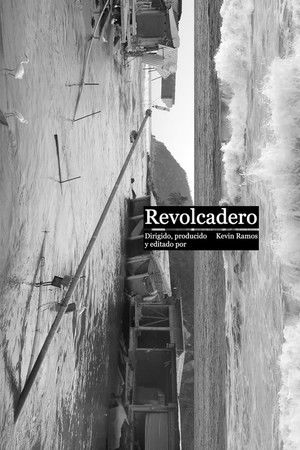
Revolcadero Beach in Acapulco, Guerrero, is one of the areas most affected by Hurricane Otis. Residents struggle daily with the effects of climate change to maintain their main source of income: providing tourist services.
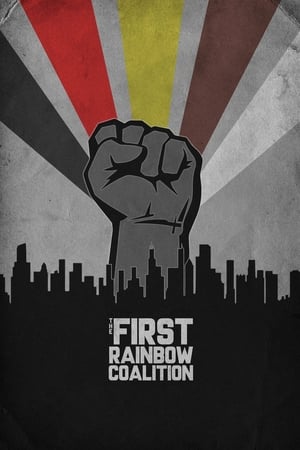
Chicago 1969: Activists from the Black Panthers, Young Lords, and Young Patriots united African Americans, Latinos, and poor whites to confront police brutality and unfair housing practices in one of America’s most segregated cities. A timely story of collective action, The First Rainbow Coalition tells this little-known chronicle of political struggle with insight and urgency using archival footage and interviews with those who lived it.
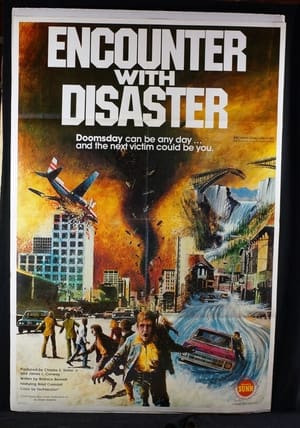
Depicts assorted natural and human disasters, including the crash of the Hindenburg (1937), earthquakes in Alaska (1964) and Long Beach (1933), the LeMans auto racing crash at which 82 people were killed (1955), Hurrican Camille (1964), the eruption of the Mt. Etna volcano (1971), a tornado (1974), the collapse of Idaho's Teton Dam (1976), the sinking of the Andrea Doria (1956) and the Texas City explosion which devastated Galveston (1947).
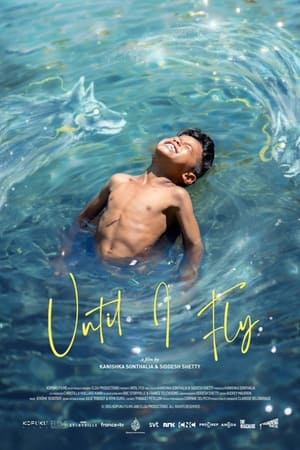
A charismatic Indian-Nepali boy, lives a bohemian life in a remote Himalayan village. As he transitions from childhood to teenagehood, his poetic journey of perseverance echoes issues that span across ages and communities.
Dolores
This Rose will forever be Chicago Red.
This astounding documentary delves into the mysteries of the Tunguska event – one of the largest cosmic disasters in the history of civilisation. At 7.15 am, on 30th June 1908, a giant fireball, as bright the sun, exploded in the sky over Tunguska in central Siberia. Its force was equivalent to twenty million tonnes of TNT, and a thousand times greater than that of the atomic bomb dropped on Hiroshima in 1945. An estimated sixty million trees were felled over an area of over two thousand square kilometres - an area over half the size of Rhode Island. If the explosion had occurred over London or Paris, hundreds of thousands of people would have been killed.
When you listen to The Years, the debut studio recording from Urbanites, you're hearing a band in progress. They wanted to make The Years differently, and decided to record the album together, live, in the same space - Studio A of Electrical Audio in Chicago, Illinois. With the exception of limited overdubs, (vocals, drum ensembles and laptop atmospherics) each song represented one collective take, warmly captured to two inch analogue tape. This recording method embraced the mistake as much as the moment. They also chose to document the making of the record with a film, appropriately titled, 'You Can't Rewind The Years'. With a new understanding and years of progress to come, these longtime friends are making the music that they'd always hoped to. As they sing, in The Years' standout track Restless, "Not without trial, not without err - this brokenness is ours to share."
Caged. Invisible. Shamed. Trapped. These words mark the tenants, clerks and even the owners of Chicago's last remaining Singe Room Occupancy (SRO) hotels. These small spaces are home for many at the bottom of Chicago's housing ladder. Cloaked in darkness and secrecy, these hotels are often maligned as drug dens and havens for prostitution but the people who live, work and own these hotels have never fully shared their stories. Caged Men is a feature-length documentary which examines the disquieting stories of near-homeless Americans living on the margins and their invisibility in a largely indifferent and, at times, hostile community. It attempts to lend a voice to SRO residents, clerks, owners and to the hotels themselves.
There's No Fish in Lake Michigan is a short documentary exploring salmon's surprising presence in Chicago and the communities, industries, ecology, and history surrounding it. Made by Allegra Hatem, Macallister Rescorl, and Joshua Silver.
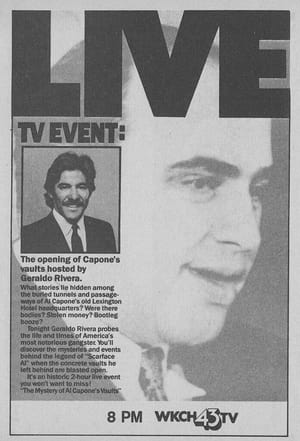
The Mystery of Al Capone's Vaults is a two-hour live American television special that was broadcast in syndication on April 21, 1986, and hosted by Geraldo Rivera. It centered on the live opening of a secret vault in the Lexington Hotel in Chicago once owned by noted crime lord Al Capone.
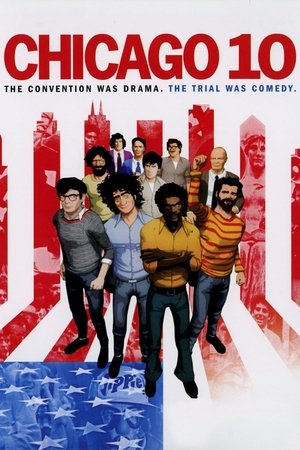
Archival footage, animation and music are used to look back at the eight anti-war protesters who were put on trial following the 1968 Democratic National Convention.
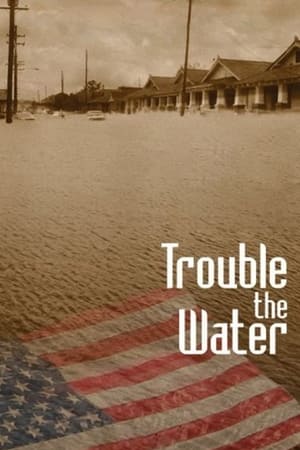
"Trouble the Water" takes you inside Hurricane Katrina in a way never before seen on screen. The film opens the day before the storm makes landfall--just blocks away from the French Quarter but far from the New Orleans that most tourists knew. Kimberly Rivers Roberts, an aspiring rap artist, is turning her new video camera on herself and her Ninth Ward neighbors trapped in the city. Weaving an insider's view of Katrina with a mix of verité and in-your-face filmmaking, it is a redemptive tale of self-described street hustlers who become heroes--two unforgettable people who survive the storm and then seize a chance for a new beginning.
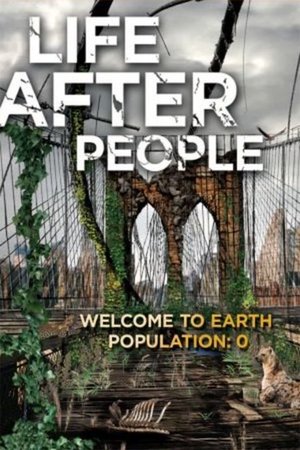
In this special documentary that inspired a two-season television series, scientists and other experts speculate about what the Earth, animal life, and plant life might be like if, suddenly, humanity no longer existed, as well as the effect humanity's disappearance might have on the artificial aspects of civilization.
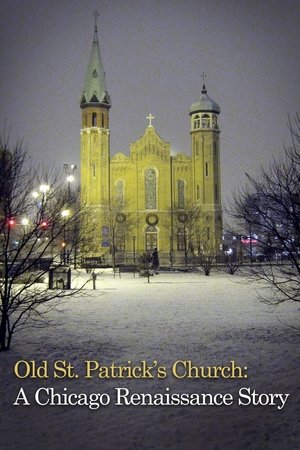
Mike Leonard tells the inside story of how the west Loop’s St. Patrick’s Roman Catholic Church, known to residents as Old St. Pat's, transformed itself from an empty church in a declining neighborhood into a Chicago hub of worship, culture, social life, education, and service -- revitalizing a then-struggling West Loop.
The colorful stories of Irish-American immigrants and their descendants who lived the history and exemplify the repeated cycle of the outsider becoming the ultimate Chicago citizen-insider.
For over 100 years, Hollywood cinema has crafted the ultimate "villain"- the Indian, as they were labeled in early Westerns. Confined almost exclusively to this genre, the Western became a vehicle for American racism, obscuring the genocide upon which the United States was built. In this documentary, only Native Americans are given a voice to share their story, one that has been overshadowed by Hollywood's portrayal. Their narrative, part of the larger American story, highlights how cinema has long been used as a powerful propaganda tool, distorting history and perpetuating harmful stereotypes.
Kelet is a twentysomething black trans woman, whose greatest dream is to be on the cover of Vogue magazine. For the Finnish-born and Manchester-raised Kelet, such models as Naomi Campbell and Iman served as role models giving her strength – and during the darkest times, kept her alive. After coming out, then 19-year-old Kelet was cut off from her family and she moved back to Finland on her own.
Starting off a kilometre high, travelling at the speed of a jet aircraft, and heading for us. It doesn't make for a good outcome. Hollywood-style graphics and real-life archive bring home an imagined near-future scenario, all based on cutting-edge science. —Trevor
A surrealistic look at the future if man does not learn to control pollution.