An incredible look at cephalopods – squids, octopi, and cuttlefish, from the Wildlife on One series. Filmed from Hawaii to the Gulf of Mexico, and using computers, scientists study the shape and color-changing abilities of these bizarre animals. Narrated by David Attenborough. (This film was shown on BBC as Season 12, Episode 2 of Wildlife on One. This listing is for the 16mm film release.)
First transmitted in 1961, David Attenborough travels to Meru National Park in Kenya to visit Joy and George Adamson and meet Elsa the lioness and her cubs shortly before Elsa's death.
In September 1954, David Attenborough, cameraman Charles Lagus, Jack Lester and Alf Woods, both from the Zoological Society of London, set out for Sierra Leone. They spent three months intently surveying the landscapes of Sierra Leone in search of nature’s rarest animals. Although predominantly searching for Picathartes gymnocephalus (the White-necked Rockfowl) they hoped to take back to London a representative collection of the whole of animal life in this part of Africa.
Squirrels are among the most widely known and recognized mammals. In many parts of the world they gladly join us for our lunches in city parks, amaze us with their acrobatics and entertain our children as cartoons on TV. Squirrels live in an extraordinarily diverse range of habitats. Some can fly, some can swim, some live in trees or underground, others love icy wastelands or burning hot deserts. But don’t let their cuteness fool you! They may be small, but squirrels are one of the most successful species on the planet. And they have big families. This blue-chip documentary explores some of the most fascinating squirrel species and shows how they became so successful dealing with extreme environments and curious (human) neighbors. 'Going Nuts' unveils the enchanting world of one of the “most watched” mammals on the planet.
The Rivers of Africa shape the lives of those who call their banks home- in the African wilderness there can be no life without water. The continents rivers are the focal point of the dramas of the bushveld- the same river that gives life also harbours death. For the many creatures that live along Africa's rivers - the need to quench their thirst is an essential part of their lives- but rivers such as the Mara in Kenya are a barrier for animals where death comes in many guises- but each animal has their own way of navigating these treacherous waters.
Lions, leopard, cheetah, hyena, wild dog and crocodile - extraordinary scenes of super predators hunting. The Super Predators was filmed over three years at Londolozi Game Reserve in South Africa and on Kenya's Masai Mara. It captures some of the most extraordinary scenes ever seen on film of these super predators hunting and killing. Dramatic slow-motion action replays allow the viewer the opportunity of observing all the subtleties of these magnificent hunters in action. The film includes a plea for the world's most notorious predator, man, to work in closer partnership with nature for our mutual benefit and survival.
A great flood arrives in a desert kingdom, transforming a dustbowl into a vast and lush wetland, in one of the most diverse habitats on earth. This breath-taking blue-chip natural history film is a journey through Okavango’s seasons, seen through the eyes of an indigenous River Bushman. Our storyteller guides us through the course of Okavango’s flood and into a savage drought, interweaving intimate and spectacular wildlife stories. The arrival and disappearance of precious water determines the destiny of the millions of animals that call Okavango home. For many, the flood is a lifeline. For others, it brings the greatest challenges. Everyone lives or dies by this epic event. It is the heartbeat of the Kalahari.
The charismatic Snow Leopard is the least understood of all the big cats and one of the most challenging to film. Over a period of five years, veteran Indian wildlife filmmakers, Naresh and Rajesh Bedi endured extreme cold and the thin air of the Himalayas in their daunting quest to reveal the secret lives of these elusive predators, ultimately with great success.
The documentary follows Polish artists on the first sailing expedition to Antarctica, their struggles, the first ever concert by Polish artists there, the first wet plate photography session & rare underwater encounters with leopard seals & other wildlife.
After many years of careful conservation, Banff and Jasper National Parks have become vast zoological gardens. Deer, moose, bear, big-horn sheep, birds and small animals that live above the treeline are natural subjects for the close-up camera, with a backdrop of snowy peaks.
Follow ocean legend Sylvia Earle, renowned underwater National Geographic photographer Brian Skerry, writer Max Kennedy and their crew of teenage aquanauts on a year-long quest to deploy science and photography to inspire President Obama to establish new Blue Parks to protect essential habitats across an unseen American Wilderness.
Deep Blue is a major documentary feature film shot by the BBC Natural History Unit. An epic cinematic rollercoaster ride for all ages, Deep Blue uses amazing footage to tell us the story of our oceans and the life they support.
Blue Whales: Return of the Giants 3D takes viewers on a journey of a lifetime to explore the world of the magnificent blue whale, a species rebounding from the brink of extinction. Following two scientific expeditions—one to find a missing population of blues off the exotic Seychelles Islands, the other to chronicle whale families in Mexico’s stunning Gulf of California—the film is an inspirational story that transforms our understanding of the largest animal ever to have lived.
An epic story of adventure, starring some of the most magnificent and courageous creatures alive, awaits you in EARTH. Disneynature brings you a remarkable story of three animal families on a journey across our planet – polar bears, elephants and humpback whales.
The Atlantic Flyway, the easternmost migration path in North America, is among the most vital ecological phenomenons in the world. Join explorer Tomas Koeck as he examines several unlikely relationships along this massive migratory chain.
Menschen eingesperrt, Tiere befreit
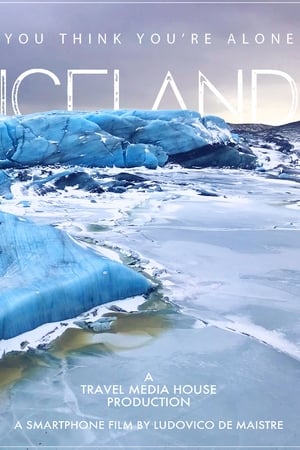
A remarkable film from the National Geographic's daring EXPLORER series, ICELAND RIVER CHALLENGE follows twelve modern-day pioneers on a treacherous expedition down a remote Icelandic river. Crash through waterfalls and glide through sparkling glacial tunnels on this breathtaking journey. Using kayaks, inflatable rafts, and ultralight aircraft, the adventurers journey through the beauty and isolation of this dangerous waterway. Come explore a river that has, until now, defied exploration; witness the heart-stopping power of nature in all its glory with ICELAND RIVER CHALLENGE.
A compilation episode of the wildlife documentary series presented by David Attenborough, uncovering the secrets of animals across the globe.
An Otter Study is a 1912 British short black-and-white silent documentary film, produced by Kineto, featuring an otter in its natural habitat, including groundbreaking footage of underwater hunting scenes. The film provided a novel treatment of the creature, which had previously appeared on film only as the victim of hunt films, with the unique underwater footage, shot by a cameraman behind glass in a tank concealed on the bed of the river in the opening scene, and a concluding scene, excised from the surviving print, in which it escapes the hunters. It was long thought lost until footage from a 1920s Visual Education re-release of the film, re-edited under the supervision of Professor J Arthur Thomson of Aberdeen University's Natural History Department, was rediscovered.
A look at the state of the global environment including visionary and practical solutions for restoring the planet's ecosystems. Featuring ongoing dialogues of experts from all over the world, including former Soviet Prime Minister Mikhail Gorbachev, renowned scientist Stephen Hawking, former head of the CIA R. James Woolse