Since South and North Korea's liberation in 1945, North Korea, a communist dictatorship that suppresses freedom and oppresses human rights, and South Korea, which has entered the path of economic prosperity and advanced countries based on freedom and democracy, have taken different paths. How did the two countries with the same language, history, and race, become divided into two extreme countries? A work that highlights the sacrifices and struggles of President Syngman Rhee and the first generation of founding members who worked to create and protect today's Republic of Korea over the past 70 years of history.
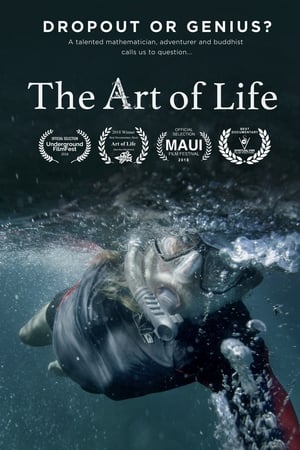
As a rising star in the field of abstract mathematics, Michael discovered that he could see beauty and pattern where others could not. But his path was not to be inside academia, or even inside society. He went on a grand adventure to unify his Buddhism with his ability to see an expanded view of reality. He created beauty in a place where nobody else would, and made his friends amongst dolphins.
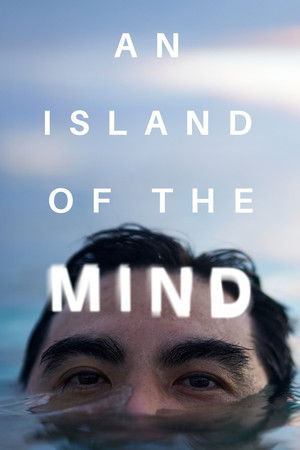
A homeless man with schizophrenia slowly embraces antipsychotic medication under Hawaii's only willing psychiatrist and a court mandate, while a man in recovery offers rare insight into mental illness as he fights to reclaim stability.
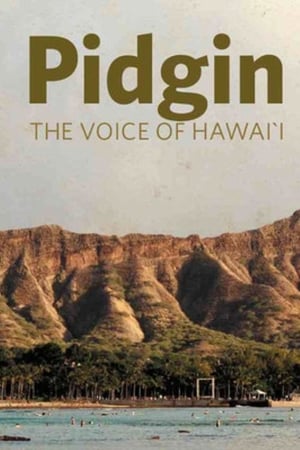
What if you are made to feel ashamed when you speak your "mother tongue" or ridiculed because of your accent? "Pidgin: The Voice of Hawai'i" addresses these questions through its lively examination of Pidgin - the language spoken by over half of Hawai'i's people.
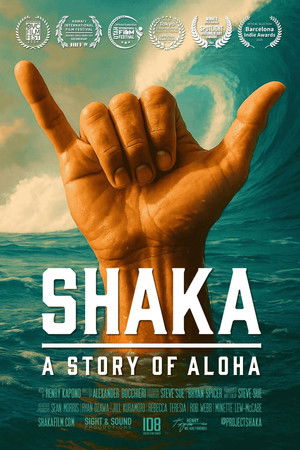
A documentary on the origin, meanings and uses of the gesture. The shaka sign is reputed to be over a century old, but its origins are the stuff of myths and legends. It turns out that kupuna (Hawaiian elders) have kept the story secret for almost a century. Why? They didn't want it told incorrectly or commercialized. But given advancing age and a world in need, they decided it was time to share the story.
A passionate ukulele player, cartoonist Joann Sfar ("The Rabbi's Cat") flies to Hawaii to explore the history of the little instrument, as well as the culture that surrounds it. For the pocket guitar, imported in 1879 by the Portuguese from Madeira who had come to harvest sugar cane, is the vector of a philosophy specific to the archipelago: the spirit of "Aloha", which condenses hospitality, joy, love and respect. With brushes in hand, Joann Sfar set out in search of the ideal instrument, meeting craftsmen, musicians, dancers and guardians of Hawaiian culture.
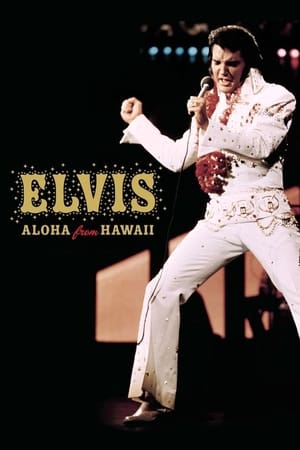
A 1973 concert by Elvis Presley that was broadcast live via satellite on January 14, 1973. The concert took place at the Honolulu International Center in Honolulu and aired in over 40 countries across Asia and Europe. Viewing figures have been estimated at over 1 billion viewers world wide, and the show was the most expensive entertainment special at the time, costing $2.5 million.
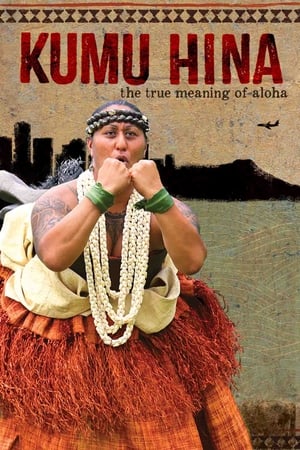
A powerful film about the struggle to maintain Pacific Islander culture and values within the Westernized society of modern day Hawaiʻi. It is told through the lens of an extraordinary Native Hawaiian who is both a proud and confident māhū, or transgender woman, and an honored and respected kumu, or teacher, cultural practitioner, and community leader.
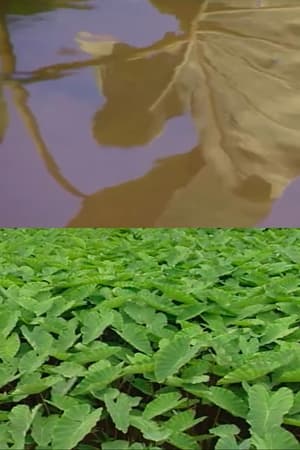
Kalo (taro) production on each of the major islands of Hawai'i circa 1994. Meet the amazing people who love and continue to cultivate taro on lo'i that in some cases has been in the family for generations and centuries! Young, old, and family growers on Maui, Moloka'i, Hawai'i, O'ahu, and Kaua'i islands. Includes history/culture of kalo, Issues related to land and water, uses of kalo, and prospects for the future.
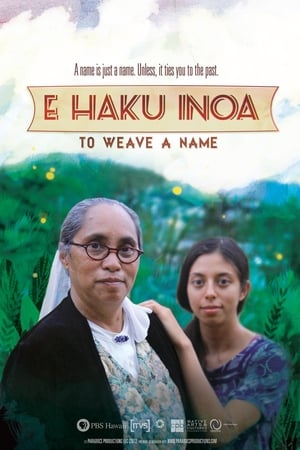
A mother and daughter, estranged by divorce and mental health issues, reconnect through patience, understanding, and their a shared appreciation of their Native Hawaiian heritage.
Golden Globe - Hawaii
An original short film narrated by Academy Award-nominee Sigourney Weaver featuring excerpts from Georgia O’Keeffe’s personal letters to her husband written during her journey to and around the Hawaiian Islands.
Hawaï, l'archipel le mieux gardé d'Amérique
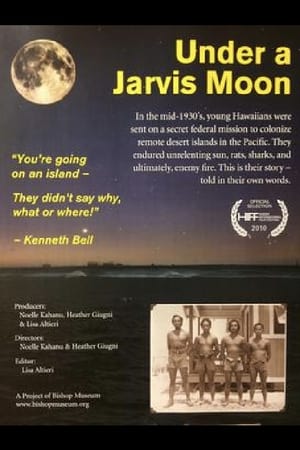
Under a Jarvis Moon is a 2010 documentary film about the young men, mostly of Hawaiian origin, sent in the 1930s and 1940s to colonize the Line Island of Jarvis and the Phoenix Islands of Howland and Baker.
Surfing at Waikiki Beach, Hawaii, on the island of Oahu. Most surfers are human, one is a dog. The educational documentary is part of the Bruce Scenic Novelties series.
Pinky Thompson grew up in Hawaii during a time when one was punished for being Native Hawaiian. After almost losing his life in the battlefields of Normandy in World War II, Pinky brought his fierce energy to the arena of social service whre he championed a health care system, created invaluable educational programs and strengthened the pride of Native Hawaiians. Pinky fostered new methods of policy collaboration and community testimony. He elevated a new generation of Hawaiian leaders to represent the vibrant cultural identity and value system of the Hawaiian people.
Out of State is the unlikely story of native Hawaiians men discovering their native culture as prisoners in the desert of Arizona, 3,000 miles, and across the ocean, from their island home.
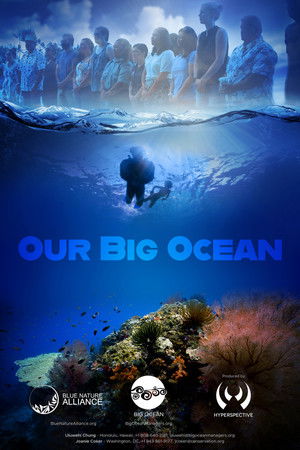
A short documentary that talks about how ocean conservation managers from around the world come together to collaborate on ways to save our oceans. It also discusses the importance of including indigenous and traditional knowledge to start solving challenges. We produced this in collaboration with Big Ocean Managers and Conservation International.
This film portrays Hawaii as a multifaceted American territory, far more than just a tourist destination with picturesque beaches and palm trees. It describes Hawaii as a group of volcanic islands in the Pacific, serving as a crucial crossroads for shipping and air travel between North America, Asia, and Australia. The film highlights Hawaii's fertile soil, conducive to agriculture, with major crops being sugar cane and pineapples, cultivated historically by a significant Asian workforce. Cities like Honolulu are presented as modern, diverse urban centers blending various cultures, including the native Hawaiian heritage. The film also notes Hawaii's strategic importance, with historical sites like Pearl Harbor, emphasizing its unique combination of cultural richness, economic vitality, and historical significance.
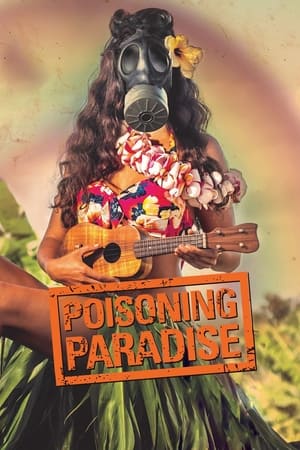
Journey to the seemingly idyllic world of Native Hawaiians, whose communities are surrounded by experimental test sites for genetically engineered seed corn and pesticides sprayed upwind of their homes, schools, hospitals, and shorelines.