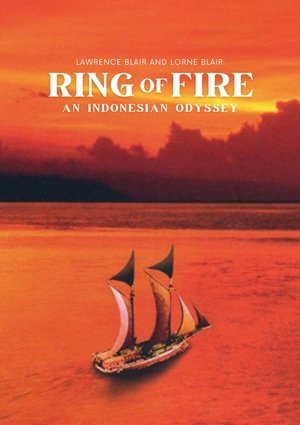
The Ring of Fire: An Indonesian Odyssey is a series of five documentary films following the decade-long Wanderjahr of the filmmaker/sibling partnership Lorne and Lawrence Blair.
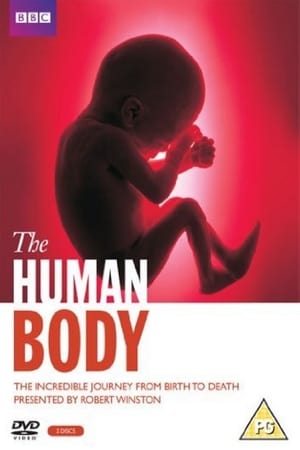
In one of his final TV projects, the presenter takes a journey around the human body, putting his own to the test to help viewers understand their own.
Planeta Tierra (Fateful Planet)
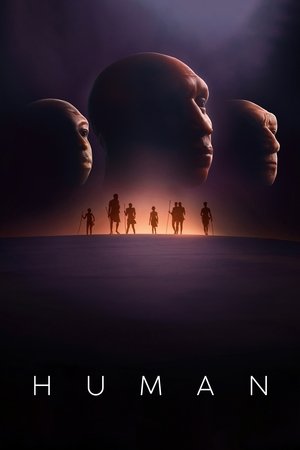
A five-part series that features the latest research exploring how early humans evolved. See how the mixing of prehistoric human genes led the way for our species to survive and thrive around the globe. Archaeology, genetics and anthropology cast new light on 200,000 years of history, detailing how early humans became dominant.
The Human Body is a seven-part documentary series that looks at the mechanics and emotions of the human body from birth to death.
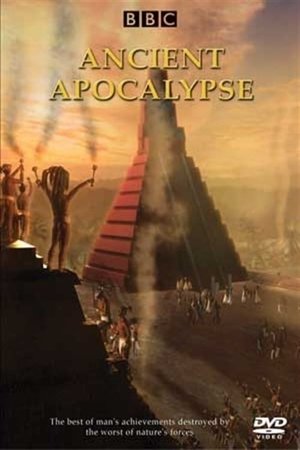
Throughout the ages, civilisations have risen up and then disappeared. Ancient Apocalypse seeks to explain how human achievements were destroyed by the forces of nature.
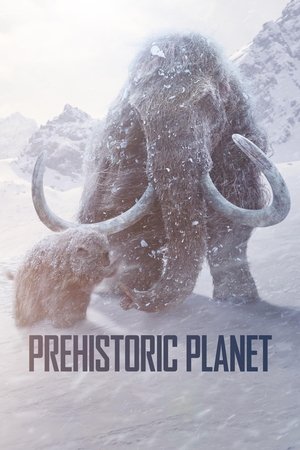
Experience the wonders of our world like never before in this epic series from Jon Favreau and the producers of Planet Earth. Travel back 66 million years to when majestic dinosaurs and extraordinary creatures roamed the lands, seas, and skies.
Join hosts Hank Green, Kallie Moore, and Blake de Pastino as they take you on a journey through the history of life on Earth. From the dawn of life in the Archaean Eon through the Mesozoic Era — the so-called “Age of Dinosaurs” -- right up to the end of the most recent Ice Age. The evolutionary history of mammals including humans and other modern species is explored with these amazing paleontology experts.
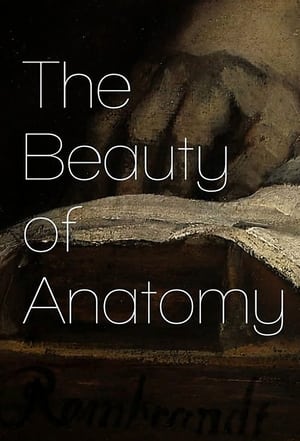
Dr Adam Rutherford investigates the close relationship between discoveries in anatomy and the works of art that illustrate them.
Long-running travel programme
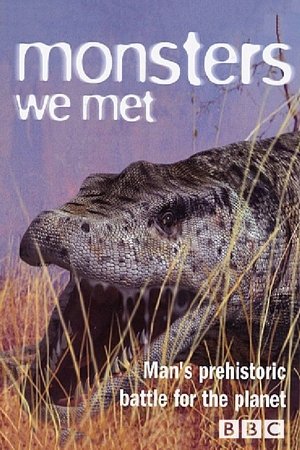
Three part series detailing the dangerous prehistoric creatures humans met as they explored the world for the first time.
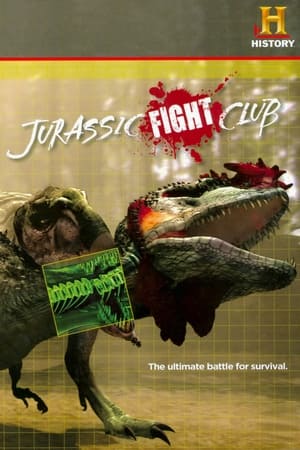
Imagines prehistoric life in this entertainment series about dinosaur battles. Computer-generated dinosaurs engage in conflicts choreographed using paleontological evidence from 70-million-year-old crime scenes. Jurassic Fight Club was hosted by George Blasing, a self-taught paleontologist.
A long journey in 8 episodes to discover the human body, with Piero Angela who closely observes our organism, focusing each time on a theme: the eye, the ear, taste and smell, the stomach and the intestine, liver, bones, lungs and heart. How does our "wonder machine" work? To make each explanation direct and clear, the program uses films, animations and photographs developed with the scanning electron microscope.
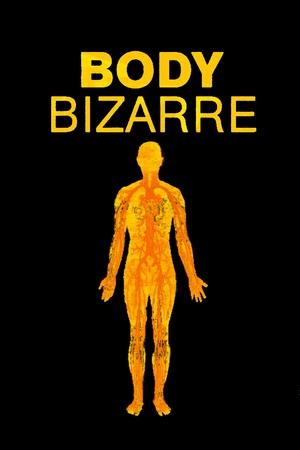
Criss-crossing the globe, "Body Bizarre" embarks on a voyage of discovery unlike any other. From India's child snake charmers to the world's hairiest girl, this series uncovers the real human stories behind the headlines. With deeply personal interviews and footage from the most unusual of day-to-day routines, it's an adventure through the truly astonishing.
SEX MED P3
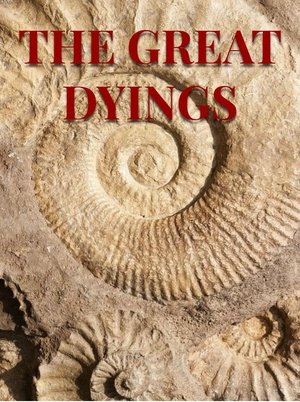
Life is a fragile thing. It changes and adapts so specifically to survive in the environment it's placed in. This ability to adapt is called evolution, and it's the reason that life has endured for the past few billion years. But evolution takes a long time, so when environments change too quickly for the inhabitants to keep up, the result is a drop in population or at the worst… extinction. And sometimes these changes can be so big that they affect the entire globe. Leading to some of the most catastrophic events in our planet’s history… mass extinctions. Content creator Angel of Death explores the five mass extinctions and the effects they had on life on earth in this five part miniseries.
Documentary series about famous anthropologists.
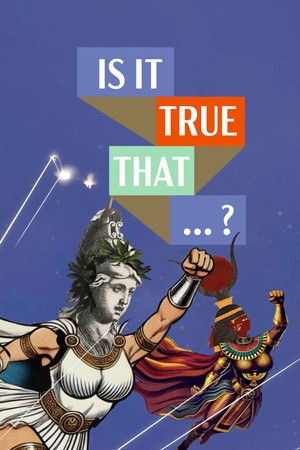
Did democracy actually originate in Greece? Was the plague the worst epidemic of all time? And did we really work harder in the past than we do today? Is it true that ...? questions what we think we know and takes another look at history.
Using the latest in archaeology, anthropology and genetics, this series tells the story of where the modern world began. Incorporating studies of artifacts, renowned sites of archaeological interest and interviews with leading experts, it moves around the geographic zones of the world, exploring how and why civilization first sparked into life.
There are seven billion humans on Earth, spread across the whole planet. Scientific evidence suggests that most of us can trace our origins to one tiny group of people who left Africa around 70,000 years ago. In this five-part series, Dr Alice Roberts follows the archaeological and genetic footprints of our ancient ancestors to find out how their journeys transformed our species into the humans we are today, and how Homo Sapiens came to dominate the planet.