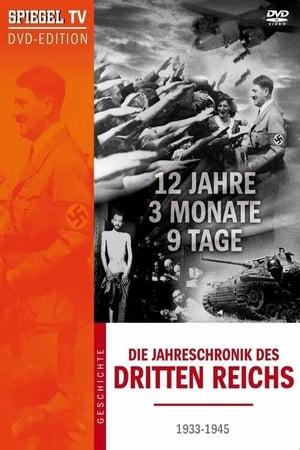
About Adolf Hitler's time in Germany. On January 30, 1933, Adolf Hitler was appointed Chancellor of Germany and his tenure in power lasted for more than twelve years. It began with a standing ovation and ended after a world war in which 50 million people were killed.
The naturalist visits uncharted territory in pursuit of new discoveries. Steve Backshall takes on physical challenges, encounters extraordinary wildlife and meets remarkable people.
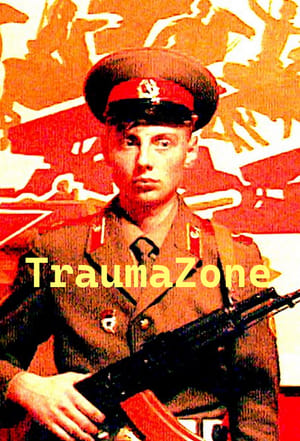
What it felt like to live through the collapse of communism and democracy. A series of films by Adam Curtis.
Do krwi ostatniej
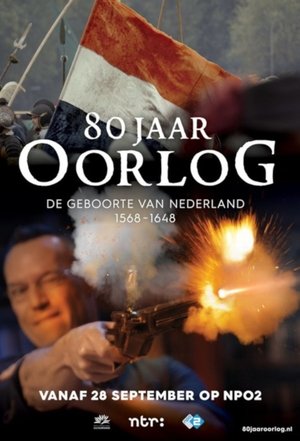
At the end of the 16th century, Dutch subjects revolted against legitimate Spanish rule. What starts with the discontent of a minority grows into a war that will last more than a lifetime. From Groningen to Brussels, from Den Briel to Groenlo, the battle erupts everywhere. And often that struggle has a strangely modern appearance. Terrorism, propaganda, executions, radicalization, shock and awe; all themes that can easily be found in the war that was fought from 1568 to 1648. In a 7-part television series, the NTR will bring the stories about the 80-year war that can be found all over the country from September 28, every Friday at 9.05 pm on NPO 2. And Hans Goedkoop oversees the battlefield with experts.
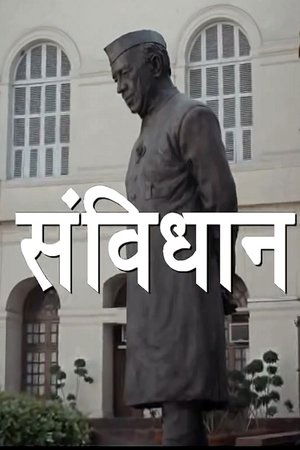
How the constitution of the largest Democratic Republic in the world was created.
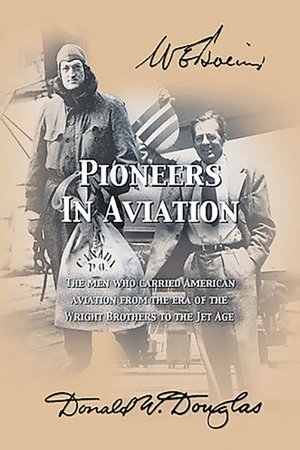
EMMY-nominated PBS documentary covering the history of American aviation, from the Wright Brothers to the very frontiers of space.
Seksi-Suomen Historia
Series using the Rank Organisation's "Look at Life" documentary shorts to examine British society during the 1960s.
Totta, tarua ja videopelejä
Kun Suomi muuttui - levottomat ajat 1961–1981
Suomi on amerikkalainen
Rageh Omaar visits Spain, Sicily and France to discover the history of Islam in Europe
The adventures of Josh Gates as he investigates unsolved iconic stories across the globe.
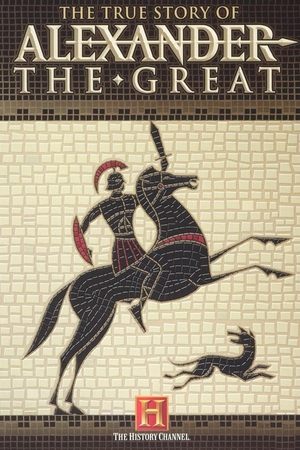
Tutored by Aristotle, helpless witness to his father's assassination, and a brilliant, pioneering tactician, Alexander the Great had conquered the known world--and sealed his legacy as one of history's most remarkable rulers--by the age of 25. In the year 334 B.C., 20-year-old King Alexander of Macedonia decided to bring the farthest reaches of the world under one domain. Over the next 12 years, he led a grand army across more than 20,000 miles and eventually brought all of Asia under his control, only to perish from battle wounds at the age of 32. Incorporating dramatic onsite reenactments with high-end computer graphics and the expertise of renowned scholars, THE TRUE STORY OF ALEXANDER THE GREAT is a special presentation from THE HISTORY CHANNEL®, examining the life and career of this military genius, impassioned lover, and fearless leader.
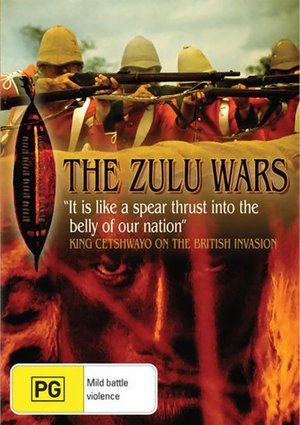
This series explores the facts and investigates the truth behind the British Redcoat Army's campaign in Zululand during 1879. The war was started by a country at the height of it's imperial powers and prosecuted by an army charged with the responsibility of implementing a policy known as Confederation - a proposal to unite various black and white factions in South Africa under British authority. Interviews, on-location footage and new geological surveys all help to reconstruct the conflicts and give insight into the tactics used in these epic battles.
Take a trip back in time to see what Christmas and the holiday season were like in America not too long ago as we reveal how many of today’s popular holiday celebrations and traditions had their start in the 1960s, 70s, 80s and 90s. With experts and cultural icons offering their own insight and personal memories, we reveal how your favorite holiday films, fads, television specials, songs and toys are still part of your holiday celebrations today.
Jonathan Roberge dives into the world of Montréal crime during the 1957-1977 period, when the city saw a prolonged war between the police and bank robbers.
Thirties in Colour: Countdown to War takes black-and-white films from the era and colourises the footage, bringing the past vividly back to life.
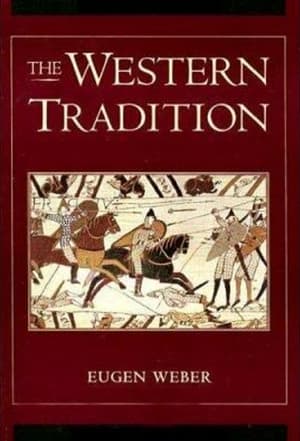
Covering the ancient world through the age of technology, this illustrated lecture by Eugen Weber presents a tapestry of political and social events woven with many strands — religion, industry, agriculture, demography, government, economics, and art. A visual feast of over 2,700 images from the Metropolitan Museum of Art portrays key events that shaped the development of Western thought, culture, and tradition.