After more than twenty years, Swiss musician Dino Brandão travels to Angola to give a concert in his father's home country. Confronted with his family's past and questions about his own identity, Dino is triggered into a manic episode.
Four-time Emmy winner John Kastner was granted unprecedented access to the Brockville facility for 18 months, allowing 46 patients and 75 staff to share their experiences with stunning frankness. The result is two remarkable documentaries: the first, NCR: Not Criminally Responsible, premiered at Hot Docs in the spring of 2013 and follows the story of a violent patient released into the community. The second film, Out of Mind, Out of Sight, returns to the Brockville Mental Health Centre to profile four patients, two men and two women, as they struggle to gain control over their lives so they can return to a society that often fears and demonizes them.
In Fear, documentary filmmaker Michiel van Erp creates a collage of inhabitants of the city of Amsterdam who struggle with various anxiety disorders. Today, more patients with anxiety disorders seek professional help than those who suffer from depression, making anxiety the number one mental illness in the Netherlands. This film will show how a small number of those patients attempt to overcome their fears, in order to get on with their lives in the crowded cosmopolitan city that Amsterdam is today.
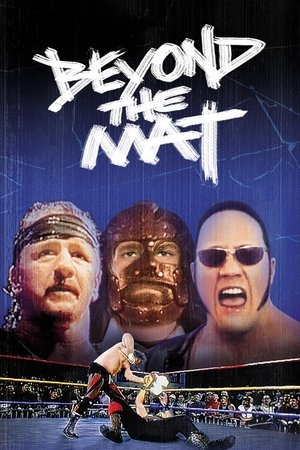
A heartfelt documentary focusing on the day-to-day lives of professional wrestlers, some on the rise, some on the wane, and others fighting for their lives.
The Bridge is a controversial documentary that shows people jumping to their death from the Golden Gate Bridge in San Francisco - the world's most popular suicide destination. Interviews with the victims' loved ones describe their lives and mental health.
Around the world there has been a huge increase in the number of children being referred to gender clinics. Increasingly, parents are encouraged to adopt a 'gender affirmative' approach - fully supporting their children's change of identity. But is this approach right?
In "Diana: The Mourning After" Christopher Hitchens sets out to examine the bogusness of "a nation's grief", tries to uncover the few voices of sanity that cut against the grain of contrived hysteria. His findings suggested that the collective hordes of emotive Dianaphiles sobbing in the streets were not only encouraged but emulated by the media. In the aftermath of Diana's death a three-line whip was enforced on newspapers and on TV, selling the sainthood line wholesale. The suspicion was that journalists, like the public, greeted the death as a chance to wax emotional in print, as a change from the customary knowing cynicism, to wheel out all those portentous phrases they'd been saving up for the big occasion. Sadly, they just seemed to be showboating; the eulogies, laments and tear-soaked platitudes ringing risibly hollow.
Finding Happy follows a woman’s healing journey with her rescued sparrow, Happy, inspiring an exploration of life-changing human-animal bonds. Through heartfelt, intimate stories of unique connections, the film challenges conventional ideas of connection and compassion, offering a message of hope, kindness, and healing. It encourages viewers to listen—to ourselves, others, and the world around us— proving that joy and purpose can be found in the most unexpected places.
Her rise was a global phenomenon. Her downfall was a cruel national sport. People close to Britney Spears and lawyers tied to her conservatorship now reassess her career as she battles her father in court over who should control her life.
We are in a room where people tell each other experiences that are not actually told to each other. These are experiences that they have had themselves and experiences of people who are very close to them. It's about fear and violence. It's about families that are destroyed. It is about existence.
This documentary follows the lives of several extraordinary people who have been diagnosed with social anxiety disorder. Through personal interviews, viewers learn about the symptoms, emotions, and challenges these people face and about the treatments available to help people on their road to recovery.
This 3-minute short film by Iain Delavan was created at a dark time in his life. In his usual abstract and expressive style, Delavan depicts an unsettling scene of a character committing self-harm, set against the backdrop of an interpolation of Lizzy McAlpine's 'doomsday'.
David Harewood had a psychotic breakdown and was sectioned in his 20s. David traces his steps, meeting young people living with psychosis and the NHS professionals who treat them.
More than 50% of transgender boys have attempted suicide. Through two life stories, directors Lexie and Logan unravel why their community is particularly vulnerable to living and dying quietly.
Jöran has a bipolar disorder, which makes him vulnerable to depression, mania and psychosis. He can sympathize well at the moment, but that has been different in the past. Jöran delves into his dark past and talks to the people who experienced his illness up close. How do you deal with this disorder and the misunderstood behavior that comes with it? And how do you break the taboo that still exists on disease pressure?
Twenty years after the tragic 1997 death of Princess Diana in Paris, this ABC special provides new perspective on her final days. Host Martin Bashir, who revealingly interviewed Diana in 1995, takes viewers inside her final months and days. "The last 48 hours of her life, we tell that story in fairly careful detail. There are some phone calls that take place, there are some things that happen that I think are something of a revelation," Bashir said. The documentary also looks at the prior years of Diana's life.
Ronnie O’Sullivan hasn’t had the most harmonious relationship with the media over the years, but his attempt to win the Snooker World Championship for a record 7th time in 2021 apparently proved too good an opportunity to pass up.
From breathtaking highs — a World Cup win, an astonishing last stand in the Ashes, and an inspiring England captaincy — to the lows — a trial for affray, personal tragedy, and mental health challenges, which saw him take time away from the game — the documentary follows Ben Stokes in an honest film about the man behind the extraordinary cricketer.
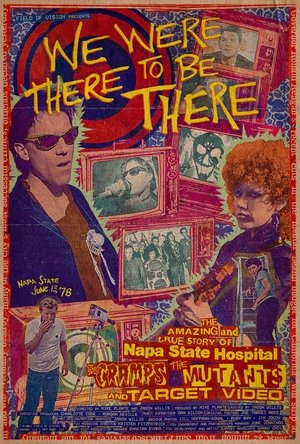
On June 13, 1978, the punk bands the Cramps and the Mutants played a free show for psychiatric patients at the Napa State Hospital in California. We Were There to Be There chronicles the people, politics, and cultural currents that led to the show and its live recording.
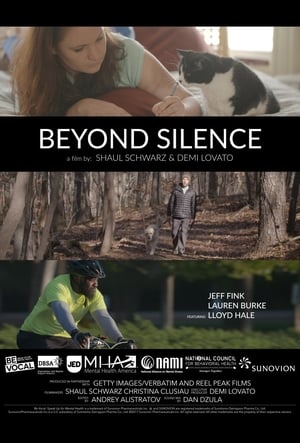
The lives of Jeff, Lauren and Lloyd—three very different people who share one common experience—have been transformed by speaking up for mental health. These inspiring stories depict what mental health in America really looks like and highlights just how important it is to speak up and seek help.