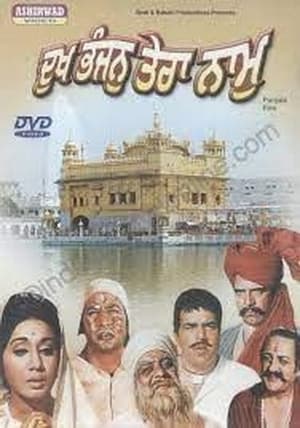
This Punjabi Movie, Dukh Bhanjan Tera Naam is a Punjabi movie about Sikhism. It was a great success. It portrays the people's belief in the almighty god who is one and how life teaches a lesson to those who does not believe so.
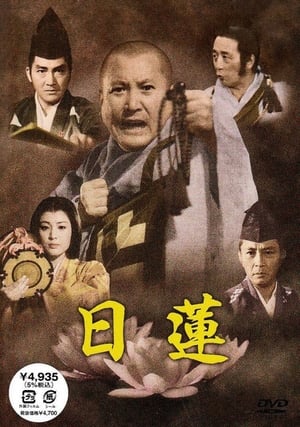
An epic drama about Nichiren's life. Nichiren was a Buddhist monk who lived for 60 years during the Kamakura period (1185-1333) in Japan. Nichiren taught devotion to the Lotus Sutra as the exclusive means to attain enlightenment. Because of his devout belief, Nichiren is met with opposition throught his travels, with life on the line, can Nichiren accomplish his goal?
Set in post-independent India, this film narrates the story of a naive villager who has warped ideas about an atrocious communal group called Razzakars and wishes to join it until he realises what they are capable of.
Young revolutionary Kartar Singh Sarabha fights for Indian Independence in the early 1900s.
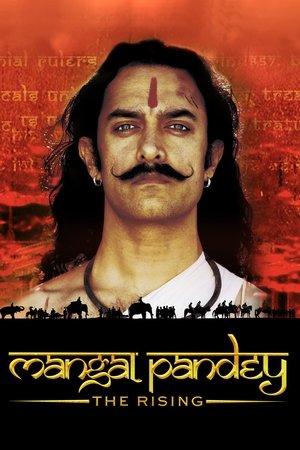
The film begins in 1857, when India was ruled by the British East India Company. Mangal Pandey is a sepoy, a soldier of Indian origin, in the army of the East India Company. Pandey is fighting in the Anglo-Afghan Wars and saves the life of his British commanding officer, William Gordon. Gordon is indebted to Pandey and a strong friendship develops between them, transcending both rank and race.
Based on the memoir by Indian policy analyst Sanjaya Baru, The Accidental Prime Minister explores Manmohan Singh's tenure as the Prime Minister of India, and the kind of control he had over his cabinet and the country.
This film tells the story of Zen Master Kyeong Heo Seongu who revives modern Korean Buddhism. He cares for a woman who is sick and tired of cold and hunger, but other monks misunderstand it.
A small band of multicultural convicts stages a daring escape from a WWII-era Siberian gulag, and embarks on a treacherous journey across five countries in a desperate race for freedom and survival.
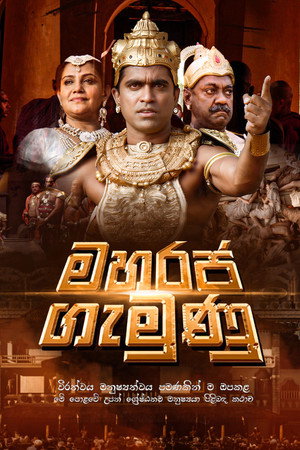
Maharaja Gemunu is based on the odyssey of King Gemunu (ruler of Sri Lanka 161–137 BC) who is renowned for defeating and overthrowing King Elara, the usurping Tamil prince from the Chola Kingdom, who had invaded the Kingdom of Rajarata in 205 BC.
The Kabul National Museum, once known as the "face of Afghanistan," was destroyed in 1993. We filmed the most important cultural treasures of the still-intact museum in 1988: ancient Greco-Roman art and antiquitied of Hellenistic civilization, as well as Buddhist sculpture that was said to have mythology--the art of Gandhara, Bamiyan, and Shotorak among them. After the fall of the Democratic Republic of Afghanistan in 1992, some seventy percent of the contents of the museum was destroyed, stolen, or smuggled overseas to Japan and other countries. The movement to return these items is also touched upon. The footage in this video represents that only film documentation of the Kabul Museum ever made.
Cultural mistrust and false accusations doom a friendship in British colonial India between an Indian doctor, an Englishwoman engaged to marry a city magistrate, and an English educator.
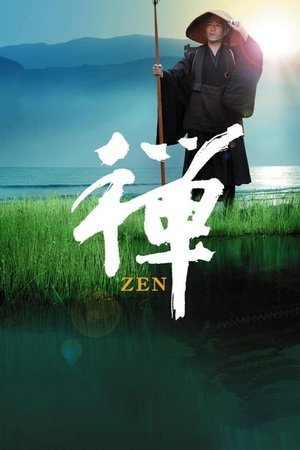
In the early 1200s, Dogen brought Chinese Zen philosophy to Japan, and established the Japanese Zen school of Buddhism. He taught that a person was capable of realizing Buddhahood within himself, by way of Zazen. Zazen is extended hours of sitting and meditating to achieve a state of “Mu” (nothingness, or empty existence).
Tara and Maya are inseparable, with the same tastes, habits, and hobbies. Years later, the two have matured but have maintained their friendship. Tara marries local prince Raj Singh, who succeeds the throne as the sole heir. After the marriage, Raj seeks another female to satisfy his sexual desires, with his sights settling on Maya, putting a perhaps unforgivable strain on a longtime friendship.
The film is based on the true story of the Great Catholic Christian Massacre of nearly 700 Christians that took place in 1544 in Mannar and the chain of events related to the same massacre that took place in 1560.
Divided into three parts — The Awakening, The Struggle, and Freedom — this is a biographical film on Pandit Jawaharlal Nehru, the first Prime Minister of independent India. Relying on Nehru's writings and speeches, the film traces the evolution of Nehru from his birth through his life. It also deals with the effect of history on Nehru and in turn his impact on the world.
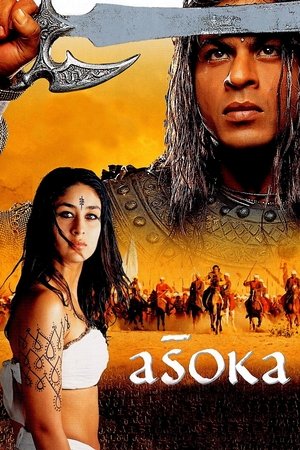
A young Prince Asoka works to perfect his skills in battle and also deals with family conflict. During a struggle with one of his step-brothers, his mother urges Asoka to escape to stay alive. While away, Asoka meets Kaurwaki and falls in love, but must use his skills as a warrior to protect her. A dangerous and heartbreaking web of conspiracy follows, which leads Asoka to embrace a Buddhist path.
A Bangladeshi American undertakes a journey to learn about the liberation war in his native country, traveling there for the first time in nearly two decades, and uncovering the controversial role the U.S. played in a forgotten genocide that occurred there over 50 years ago. From 1971 to the present day, this is a story of Bangladesh’s independence, a family’s journey immigrating to America, and the cognitive dissonance of a person belonging to both homelands. Driven by interviews with his father and other family members, along with experts and witnesses, archival videos, declassified recordings, and animations, BENGAL MEMORY is a unique and untold oral history through a personal lens.
The true story of legendary Hindu warrior king "Prithviraj Chauhan" including his early military successes, love story with Sanyogita & clashes with Muhammad of Ghor, a ruler of the Ghurid dynasty who led the foundation of Muslim rule in the Indian subcontinent.
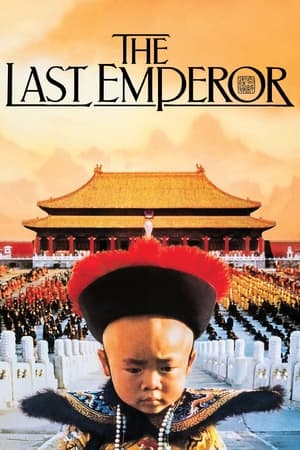
A dramatic history of Pu Yi, the last of the Emperors of China, from his lofty birth and brief reign in the Forbidden City, the object of worship by half a billion people; through his abdication, his decline and dissolute lifestyle; his exploitation by the invading Japanese, and finally to his obscure existence as just another peasant worker in the People's Republic.
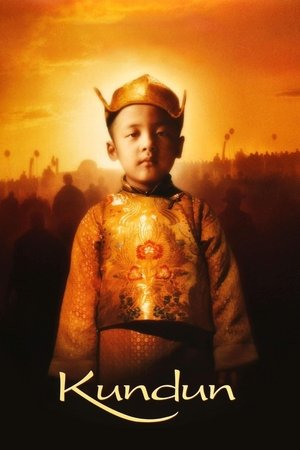
The Tibetans refer to the Dalai Lama as 'Kundun', which means 'The Presence'. He was forced to escape from his native home, Tibet, when communist China invaded and enforced an oppressive regime upon the peaceful nation. The Dalai Lama escaped to India in 1959 and has been living in exile in Dharamsala ever since.