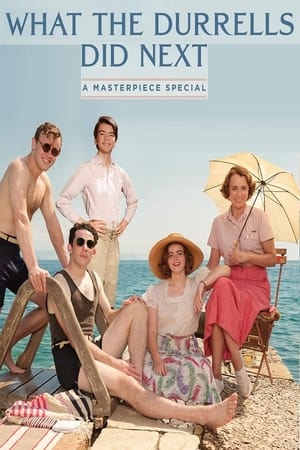
Hosted by Keeley Hawes, star of the popular television series The Durrells, this documentary reveals the adventures of the eccentric Durrell family once they left Corfu, Greece.
A short documentary on Jerome Kern and the making of Till the Clouds Roll By.
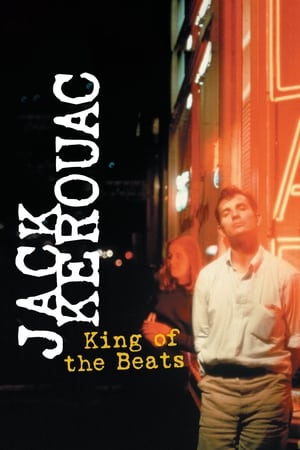
Jack Kerouac's life is examined through interviews with his contemporaries and friends including Allen Ginsberg, Lawrence Ferlinghetti and William S. Burroughs. The film also employs dramatic recreations of Kerouac's life beginning with his early childhood.
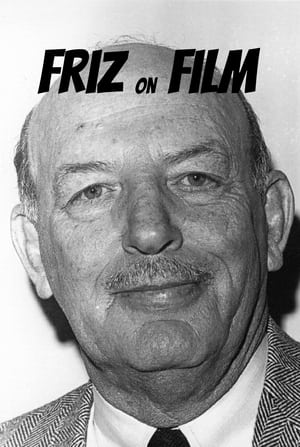
Looney Tunes Friz Freleng appears in interview segments in this excellent documentary, which spends nearly an hour examining Freleng's history, career, talent, comic timing and classic shorts.
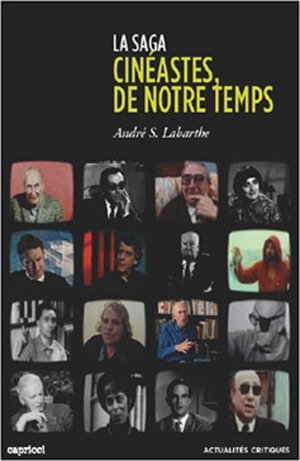
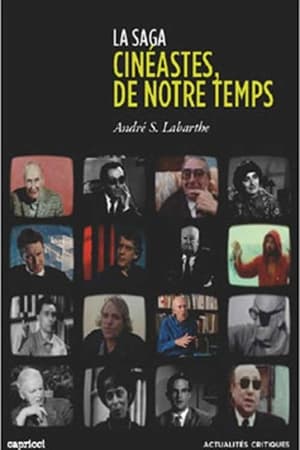
Cinéastes de notre temps : Erich von Stroheim
Cinéastes de notre temps : Jean Vigo
Filmmakers of Our Time: François Truffaut or the Critical Spirit
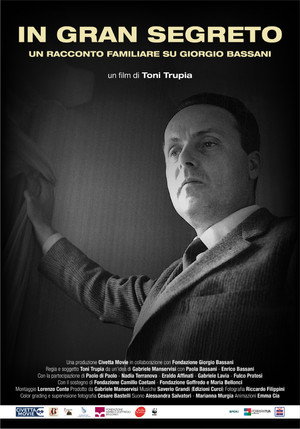
In Gran Segreto: Un Racconto Familiare su Giorgio Bassani
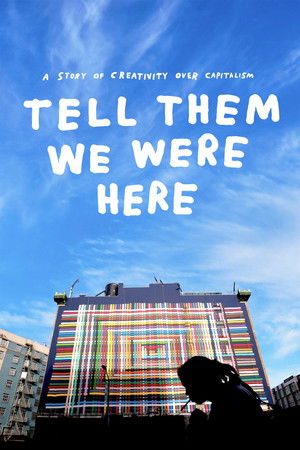
Tell Them We Were Here is an inspirational feature-length documentary about eight artists who show us why art is vital to a healthy society and reminds us that we are stronger together.
A documentary about actress brazilian Maria Gladys, a strong presence in films by Júlio Bressane, Rogério Sganzerla among others.
Hubert Krejčí – Smrt divadlu!
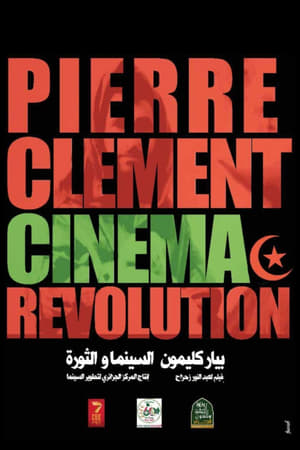
Pierre Clément, student and photographer of René Vauthier, first accompanied him to Tunisia to make a film on the country's independence in 1957. Destiny led him to Algeria and his presence in February 1958 at the Tunisian-Algerian border changed his life. . Forever. He took his camera and photographed the attacks on Sakia Sidi Youssef before committing himself body and soul to the Algerian cause. Shortly after, he directed the film “Algerian Refugees” before being arrested, tortured and imprisoned, while his third film, “The National Liberation Army in Almaki”, was not finished. Abdel Nour Zahzah, a director who commemorates Pierre Clément, the director who risked his life, the brother of the Algerian resistance, who disappeared in 2007.
Tati Express dives into Jacques Tati's films and how they look at a changing world throughout the 20th century. It shows how modernity impacts human-beings and goes through that amazing body of work at 100 mph.
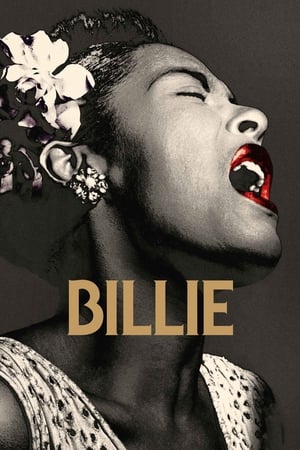
‘Lady Day’ was one of the greatest jazz vocalists the world ever heard. In 1971, journalist Linda Lipnack Kuehl set out to write the definitive biography of Billie Holiday. Before her mysterious death in 1978, Lipnack Kuehl had taped over 200 hours of interviews. The tapes have never been heard. Now they form the basis of an atmospheric, multi-layered documentary that captures the many complex facets of a proud black woman, violent drug addict, loyal friend, vindictive lover and unforgettable singer of ‘God Bless The Child’, ‘Saddest Tale’ and the haunting ‘Strange Fruit’.
The first of two documentaries about Ingmar Bergman produced to mark his 70th birthday. Includes behind the scenes "home movies" from Bergman's personal archive, interviews with Bergman recorded over his 40 years in the film industry and passages from his autobiography read by Max von Sydow and Bergman himself.
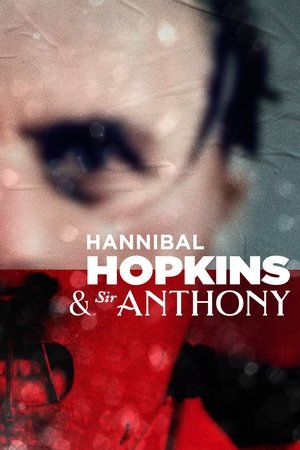
Hopkins’ career has spanned several decades, which is why we will also use many interviews that he gave throughout his life, allowing us to put him back into the context of each period and will be helpful in understanding his role in the history of cinema, because he was far from following the trends. He never belonged to any film movement; he is a chameleon that has always preferred natural acting, ‘non-acting’ when method acting was the fashion.
A short documentary on the lives of songwriters Bert Kalmar and Harry Ruby and the making of the film, Three Little Words.
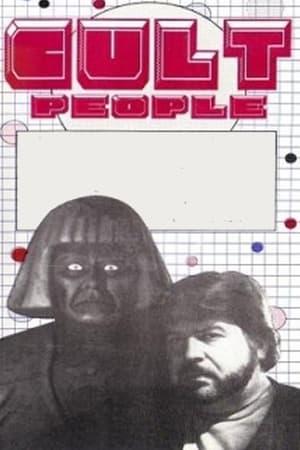
In interviews, various actors and directors discuss their careers and their involvement in the making of what has come to be known as "cult" films. Included are such well-known genre figures as Russ Meyer, Curtis Harrington, Cameron Mitchell and James Karen.
A dialogue-free documentary on former magazine model Pandora Peaks, with narration by Peaks and Meyer.
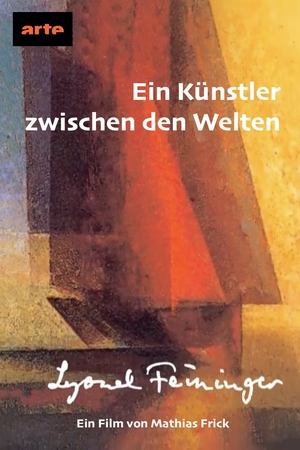
Lyonel Feininger's work is as individual and unmistakable as he is himself. As a classical modernist artist, he is difficult to categorize. He lived and worked in Germany for a long time. He began his career as a caricaturist, later became known as a painter and headed the printing workshops at the Bauhaus. His work cannot be classified as cubism or expressionism. The film visits places that inspired him, such as Paris, the villages around Weimar and, above all, the Baltic coast - many of which are reflected in Feininger's work and make the development of his oeuvre comprehensible.