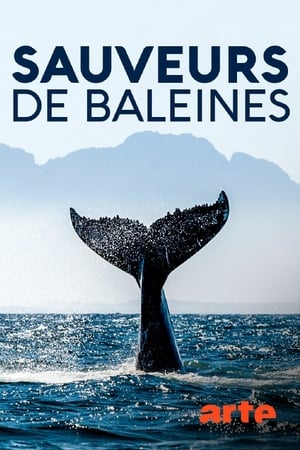
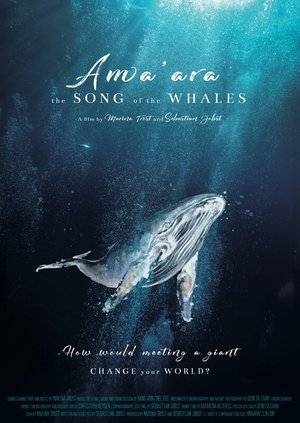
In Spring 2019, a beluga whale named Hvaldimir, believed to have escaped a Russian military base, appeared in Northern Norway, becoming a social media phenomenon. Fascinated by him, a French cetacean researcher, his daughter, a Norwegian journalist, and a marine biologist embark on an extraordinary adventure with Hvaldimir through the Norwegian fjords.
Will Cubans be able to safeguard their heritage of pristine Nature and preserved ecological treasures under this new era, as they are facing the combined pressure of money and tourism? What policies can be implemented to maintain the island’s spectacular wilderness?
Whales Without Walls is a short film that tells the story of our work to create North America’s first seaside sanctuary for whales being retired from marine entertainment parks.
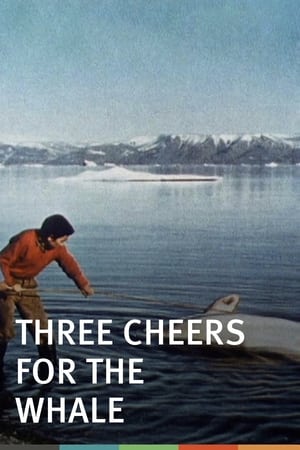
Co-directed by Chris Marker and Mario Ruspoli, Three Cheers for the Whale traces humanity’s complex relationship with whales—from reverence to exploitation—culminating in a stark depiction of industrial whaling. Combining archival imagery, commentary, and documentary footage, the film offers both a historical reflection and a call for ecological awareness.
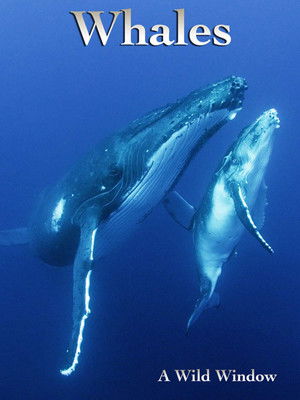
Thanks to sophisticated equipment, marine biologists have managed to capture unprecedented scenes of the intimate life of humpback whales off the Australian coast. A spectacular immersion in the intimate life of this mysterious species. Off the coast of the Kimberley in northwestern Australia is a major breeding ground for humpback whales. Thanks to sophisticated equipment, such as aerial cameras on board quadrotors or innovative night vision technologies, Curt and Micheline Jenner, whale researchers, capture unprecedented scenes revealing the behavior of cetaceans.
A biographical documentary about the Belgian free-diver Fred Buyle and his art of silent diving.
Two biologists set out on an undertaking as colossal as their subjects—deciphering the complex communication of whales. Dr. Michelle Fournet and Dr. Ellen Garland journey to opposite hemispheres to uncover a culture eons older than our own.
The largest predator on the planet, the sperm whale, is your host for an amazing exploration of the final frontier – the world at the bottom of the ocean. From the makers of the Walking With series comes this incredible marine tour, in which you'll witness a rarely seen world of hidden mountain ranges, majestic canyons, volcanoes and the beautiful and often deadly creatures that inhabit the deep sea.
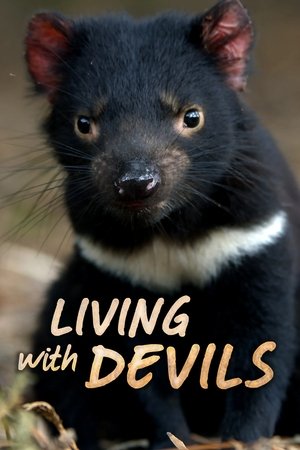
In a wild and windswept corner of Australia, acclaimed film-maker Simon Plowright spends a year living with the iconic but endangered marsupial, the Tasmanian Devil.
Delve into the world of modern whaling in Norwegian waters. Discover the shocking truth about the demand for whale meat, the associated health risks, and its unexpected use in pet food. Experience thrilling hunts firsthand as the crew confronts Norway's largest whaling operators.
Pilot whales are one of the least known of all small whales, and in spite of their name they are one of the largest species of dolphins. Pity the Pilot Whales takes us on an ocean journey, revealing many facets of pilot whale lore that few knew anything about. Why do these highly-intelligent marine mammals strand by the hundreds in certain regions of their known habitat? How do they communicate with one another? How do they find food in the deep dark ocean realm. This film is also a window on how two modern island nations treat these animals, and a statement on humanity and ethics.
Island Heroes: The Whale Rescuers of Campobello Island
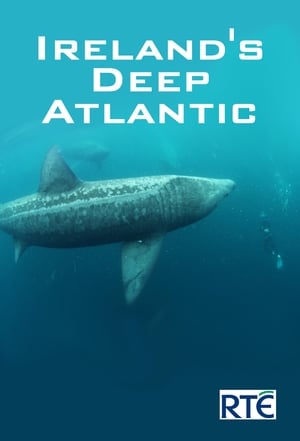
Ireland's Deep Atlantic
On the North Shore of the St. Lawrence, the Otis family hunts for white whales and seals with rusty old rifles in hand-crafted boats. This is the traditional method of the Basque whalers who frequented the coast in the 16th century.
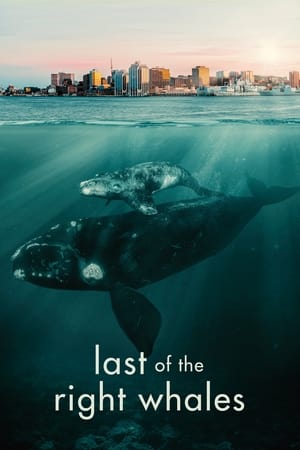
A differing group of people – a wildlife photographer, a marine biologist, a whale rescuer, and a crab fisherman – are united in their goal to save the North Atlantic right whale.
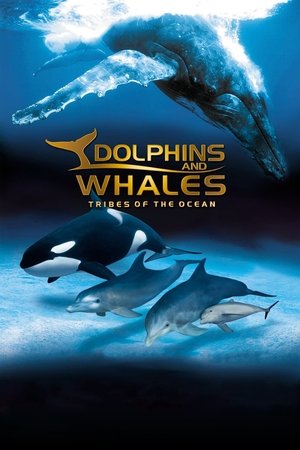
This documentary goes to coral reefs of the Bahamas and the waters of the Kingdom of Tonga for a close encounter with the surviving tribes of the ocean: wild dolphins and belugas, the love of a Humpback mother for her newborn calf, the singing Humpback males, an orca the mighty King of the ocean, and the gentle manatee. Little-known aspects of these creatures capable of sophisticated communication and social interaction. Documents the life of these graceful, majestic yet endangered sea creatures
Alaska... Here, in this vast and spectacularly beautiful land teeming with abundant wildlife, discover the "Spirit of the Wild." Experience it in the explosive calving of glaciers, the celestial fires of the Aurora Borealis. Witness it in the thundering stampede of caribou, the beauty of the polar bear and the stealthful, deadly hunt of the wolf pack.
Originally, in 2014, Laurent Ballesta had just one precise objective: to unravel the mystery of groupers. To understand the issues involved in their collective reproduction. But although focused on the study of groupers, the real surprise came from the sharks. Never before had the team been confronted with such a density of grey reef sharks. The divers took up the challenge of counting them. Methodically, they repeated the operation many times to arrive at the impressive figure of 700 grey reef sharks. Each year, the team returned to the southern pass of Fakarava in French Polynesia. Until 2019, for the fourth expedition, "Gombessa 4" is the synthesis of precise and unique scientific protocols. The mission demonstrated that shark hunts are not anarchic, but rely in part on social organization within the horde, following in the footsteps of the 700 grey sharks in "700 sharks in the night (Gombessa 4, Genesis)".
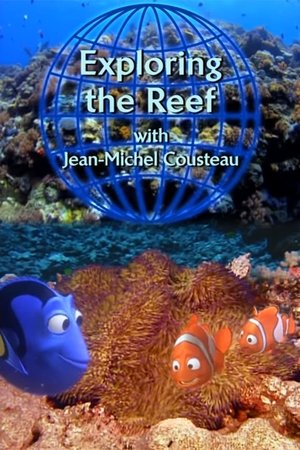
Join renowned explorer Jacques-Yves Cousteau as he investigates aquatic habitats worldwide, showcasing whales, sharks, and diverse marine life. The film highlights the brutal realities of nature while capturing the wonder of underwater exploration, as the team ventures into previously unseen ocean depths.
The Lamalera village is located in a small volcanic Island, a poor, barren land, and they catch whales to eat. It is the only way for them to survive. The harpooners are called lamafa in the local language. They are the village's pride because they take the whole responsibility for the very dangerous hunting. In 2018. a tragedy struck the village. Benjamin, a young lamafa, was killed during a spear hunting. His father, Ignatius, was devastated, and Benjamin's brother, Demo, was shocked and unable to go hunting. They blame accidents at sea on a victim's family discord in Lamalera. Ignatius, the master boat-builder, decided to build a new traditional whaleboat to reunite the family bond. The whaling boat is 12 meters long, made entirely of hand-crafted wood, not using a single nail, and is considered an intangible cultural asset.