Les folies de l'architecture - Les géants du transport
Oravská priehrada
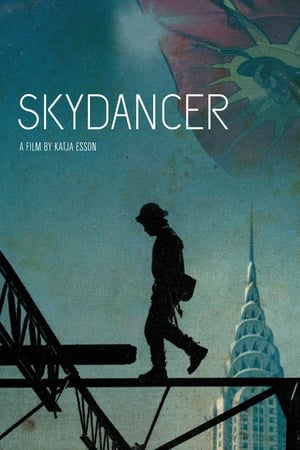
Ed Kimble, a structural ironworker, is followed during his workday building a skyscraper.
The Heroes of the Massacre River is a powerful documentary that chronicles the stories of the pioneers behind the construction of the historic Canal of Ouanaminthe, a project that united Haitians across the nation and the diaspora. This film celebrates the groundbreaking efforts of key figures, centering on Dr. Bertrhude Albert, Dr. Naismy-Mary Fleurant, architect Wideline Pierre, economist Etzer Emile as well as dedicated canal workers Milourie Sylfrard, Theodore Johnson and Joseph Pressoir — all guided by the investigative journey of Max Angie Clervil. It also serves as a commentary on the complexity of colonialism and borders, tracing the role that the Massacre River continues to play in the history of Ayiti.
Today it's a symbol of strength and vitality. 135 years ago, it was a source of controversy. This documentary examines the great problems and ingenious solutions that marked the construction of the Brooklyn Bridge. From conception to construction, it traces the bridge's transformation from a spectacular feat of heroic engineering to an honored symbol in American culture.
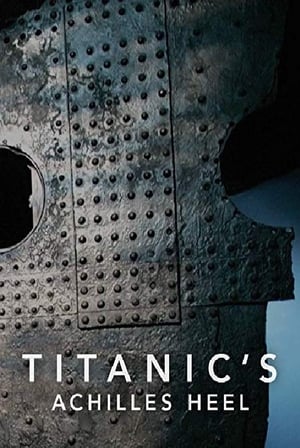
An expedition looks into whether Titanic's hull had a construction design flaw that caused her to break apart. Featuring advanced CGI technology, archive documents and photographs, as well as footage from the modern-day History(R) expeditions, "Titanic's Achilles Heel" is a remarkable journey into the ongoing legacy of a ship that continues to capture the world's attention.
With building collapses happening around the country, activists band together to confront the real estate developers and hold them accountable for the construction destruction, lives they have destroyed, and deaths they have caused.
A day-to-day record of the construction of the Confederation Bridge linking Prince Edward Island to the mainland, Abegweit reveals some of the innovations that made this mammoth project one of the most impressive engineering feats in Canadian history.
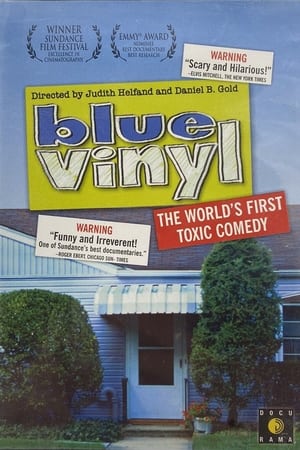
With humor, chutzpah and a piece of vinyl siding firmly in hand, Peabody Award-winning filmmaker Judith Helfand and co-director and award-winning cinematographer Daniel B. Gold set out in search of the truth about polyvinyl chloride (PVC), America's most popular plastic. From Long Island to Louisiana to Italy, they unearth the facts about PVC and its effects on human health and the environment.
A man named Walt who has recently completed building a fallout shelter in his home, a project initiated due to the threat of nuclear war during the Cold War era. Walt demonstrates to his friends the multi-functionality of the shelter, which can also serve as a darkroom, an extra bedroom, or a safe space during tornadoes. He explains the construction process in detail, emphasizing the need for precise measurements, proper leveling, and the use of concrete blocks for radiation protection. The shelter includes a stock of essentials like a radio, batteries, and a fire extinguisher. Walt’s narrative is interspersed with advice on obtaining official bulletins for guidance and the importance of building shelters correctly. The film concludes with a message from the Director of the Office of Civil and Defense Mobilization, advocating for the construction of family fallout shelters across America as a means of personal safety and national security in the nuclear age.
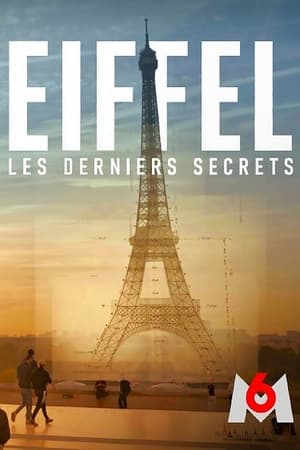
Eiffel, les derniers secrets
Les templiers, la démesure des Batisseurs
Every city has its secrets, but it is probably inside houses, behind their silent walls, where they are most intense and human. The Alabado House was built in 1671 as part of Quito’s colonial Old City, surviving centuries of earthquakes, poverty and decay. Over the past five years, dozens of manual laborers have been working to restore it. But its miraculous beauty conceals a long and tragic history. For it was the oppressed indigenous masses who built the Old City, the largest in Latin America.
The Erie Canal was an engineering marvel in its time and remains so today. This documentary travels from Palmyra to the Genesee River, stopping along the way to visit the people and places that make the canal so special. Canal historian Thomas Grasso offers insight into the canal’s past while the Golden Eagle String Band provides the music track.
When a fire destroys a beloved Chinatown bookstore, its hyper-independent owner learns that community is necessary for survival.
A local construction worker and a Chinese engineer are assigned to build a bank in Bangui, the capital of the Central African Republic, one of the poorest countries in the world. But time is short and resources are scarce, and there are rumours in the countryside that a new civil war is brewing. And as if all this wasn’t bad enough, their relationships to their wives are falling apart. ‘Eat Bitter’ mirrors the existential and mundane problems of the two men, while an unlikely friendship and mutual trust blossoms between them. However, the chaotic microcosm of the construction site also mirrors China’s contradictory role in 21st century Africa, with the bank itself as the ultimate symbol of money, power and illusion. Director duo Pascale Appora-Gnekindy and Ningyi Sun themselves represent each of the two cultures, and their film has a unique eye for the human fallibility and irony of it all, but also for how we can reach each other despite all our many differences.
An inside look at the creation of Universal Orlando Resort's new Jurassic World VelociCoaster.
Tour Eiffel : La Grande Épopée
Dans les coulisses du métro de Paris
A short, impressionistic documentary about the extremely precise process behind the creation of an autoclave (a reaction container) for a nuclear power plant. Otherworldly electroacoustic soundtrack by Oskar Sala.