Two Australian sprinters face the brutal realities of war when they are sent to fight in the Gallipoli campaign in the Ottoman Empire during World War I.
France, 1914, during World War I. On Christmas Eve, an extraordinary event takes place in the bloody no man's land that the French and the Scots dispute with the Germans…
Neil Oliver describes the worst ever railway accident in the UK, which happened a hundred years ago on 22 May 1915, in which three trains collided at Quintinshill near Gretna Green. One of the trains was a troop train taking soldiers to fight in World War I at the Battle of Gallipoli: many of the dead were in this train which caught fire due to escaped gas from the archaic gas lighting in the carriages. The cause of the crash was attributed to a catastrophic signalman's error, but Neil examines whether there were other contributory factors and whether there was a cover-up to prevent investigation of them, making convenient scapegoats of the signalmen.
In November of 1918 as World War I was ending, a unit of American soldiers goes behind enemy lines to find a lost platoon of African American soldiers.
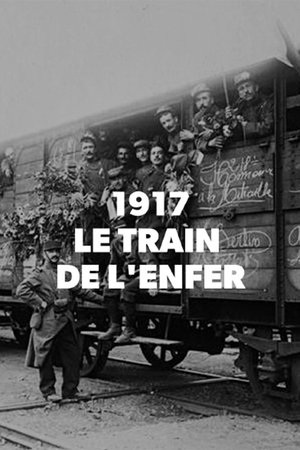
1917, The Train from Hell is an historical documentary about a train accident during WW1.
A war. Two friends. Chaos will reign.
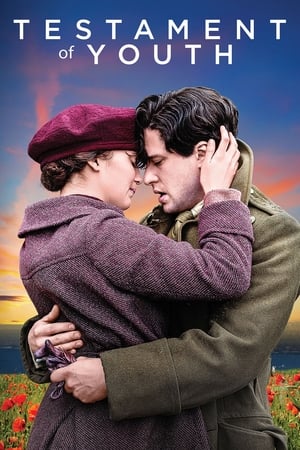
Testament of Youth is a powerful story of love, war and remembrance, based on the First World War memoir by Vera Brittain, which has become the classic testimony of that war from a woman’s point of view. A searing journey from youthful hopes and dreams to the edge of despair and back again, it’s a film about young love, the futility of war and how to make sense of the darkest times.
When a skeptical woman retreats to a secluded cabin believed to be magical, she falls for its enigmatic witch owner, until dark spells, buried secrets, and a restless ghost threaten their chance at love.
This film takes us into the harsh realm of BC's early coal mines, canneries, and lumber camps; where primitve conditions and speed-ups often cost lives. Then, the film moves through the unemployed' struggles of the '30s, post WWII equity campaigns, and into more recent public sector strikes over union rights.
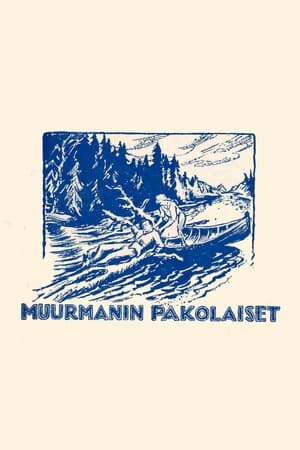
In northern Finland in the fall of 1916, Saima Niva rescues a man drifting in the river, who turns out to be a German lieutenant Braun. Braun and his six comrades have managed to escape the prisoner of war at the Muurmann railway station, but the lieutenant has had to get rid of the lost group. While Braun is recovering, under the good care of Saima, Niva's neighbor and henchman of the gendarmes, the greedy policeman Simpura, gets a tip about the refugees camped in the desert.
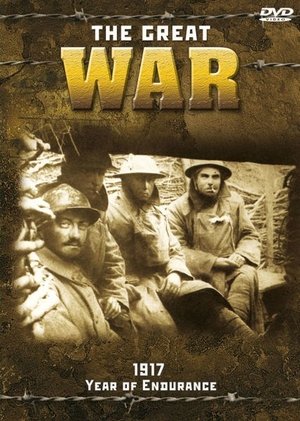
Part of the documentary series looking at the course of the First World War. This volume examines the events of 1917, when the Allies launched desperate attacks on the German lines with huge casualties, but with little result. By the end of the year, the Russians had withdrawn from the conflict following the Revolution, while the Americans were slowly becoming involved.
The adventures of the Lafayette Escadrille, young Americans who volunteered for the French military before the U.S. entered World War I, and became the country's first fighter pilots.
American professor John Holden arrives in London for a conference on parapsychology only to discover that the colleague he was supposed to meet was killed in a freak accident the day before. It turns out that the deceased had been investigating a cult lead by Dr. Julian Karswell. Though a skeptic, Holden is suspicious of the devil-worshiping Karswell. Following a trail of mysterious manuscripts, Holden enters a world that makes him question his faith in science.
Author Rudyard Kipling and his wife search for their 17-year-old son after he goes missing during WWI.
Arras 1917, l'histoire des tunneliers néo-zélandais
Sergeant Michael Dunne fights in the 10th Battalion, AKA The "Fighting Tenth" with the 1st Canadian Division and participated in all major Canadian battles of the war, and set the record for highest number of individual bravery awards for a single battle
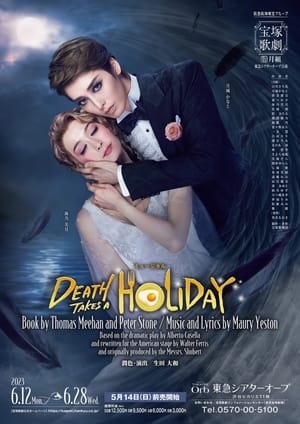
This is the story of the 1920s, shortly after mankind woke up from the nightmare of World War I, a time haunted by death like never before in history. Late at night, a car is speeding along a mountain road in northern Italy. In the car is the family of the Duke of Lamberti. They were returning from celebrating the engagement of their only daughter, Grazia, in Venice. However, tragedy strikes the car carrying the family. The car spins out of control and Grazia is thrown into the darkness of the night...
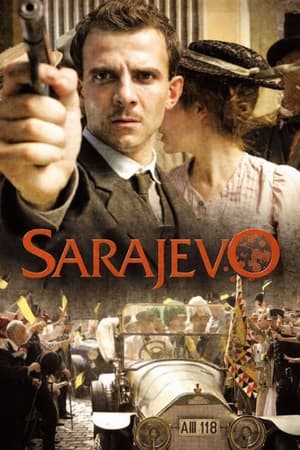
The events in Sarajevo in June 1914 are the backdrop for a thriller directed by Andreas Prochaska and written by Martin Ambrosch, focusing on the examining magistrate Dr. Leo Pfeffer (Florian Teichtmeister) investigating the assassination of Archduke Franz Ferdinand. Trying to do his job in a time of lawlessness and violence, intrigues and betrayal, Leo struggles to maintain his integrity and save his love, Marija, and her father, prominent Serbian merchant. But the events of Sarajevo have set into motion an inescapable course of events that will escalate to become … the Great War.
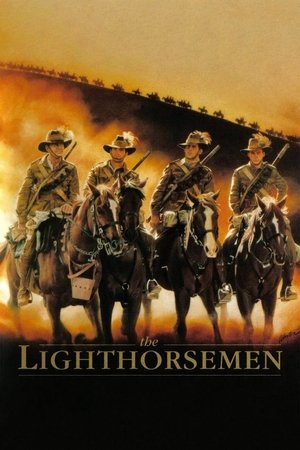
In 1917 when the British forces are bogged down in front of the Turkish and German lines in Palestine they rely on the Australian light horse regiment to break the deadlock.
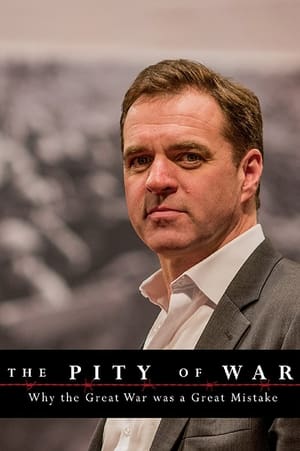
Professor Niall Ferguson argues that Britain's decision to enter the First World War was a catastrophic error that unleashed an era of totalitarianism and genocide.