A dejected homemade robot wanders through a bright and sunny landscape, only to encounter some bad luck.
The piece, the artist states, “is like the typical painting lessons of Bob Ross. What I was feeling in the theme of this video is the existential nature of contemporary art (and culture) as well as of artists. A videoart work by South Korean multimedia artist Kim Beom
Il malatino
An experimental film comprised of Stanley Kubrick's THE SHINING played forwards and backwards at the same time on the same screen, creating bizarre juxtapositions and startling synchronicities.
An exploration of the VHS medium and the subterranean trash which thrived in it. Using source material from Emmanuelle 6, this DVD-R/VHS further blurs the line between low and high art. Beautiful cinematography coupled with smut. Strategic pauses and tracking errors guides the viewer to discover the true depth and sadness of the seemingly one-dimensional Emmanuelle. Soaring arpeggio synths and pulsating rhythms by Rob Feulner. The utter destruction of arguably the most beautiful film never seen, lost and forgotten on the shelf of your local video store, behind the cowboy doors or dangling beads. Written off as pornography by most, written off as too soft by creeps. This is the plight of Emmanuelle.
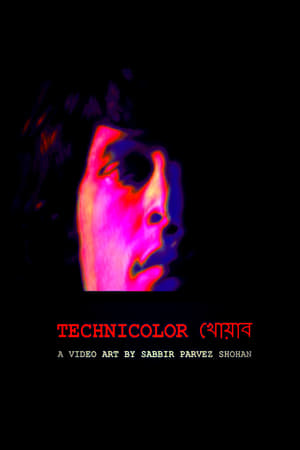
TECHNICOLOR DREAM is a video art of vivid imagery and symbolic scenarios. It is a portrayal of passion,agony,memories and melancholy through unorthodox fusion of sight and sound.
"Plasforms" is above all a visual composition, the relevance of the camera's absence, continuing in its time the plastic tradition of seeing. It is the exposure of the digital medium itself, a choreography of ghost images mechanically imitating the artificiality of a process.
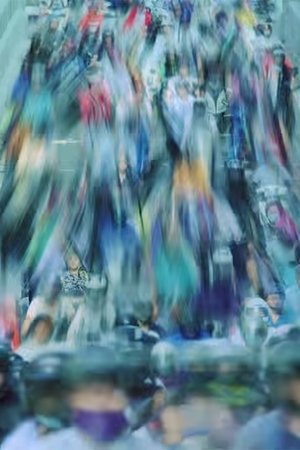
A crowd moving in one direction.People who flow in a moment. A scene where the difference with other people disappears and looks uniform. There are many different kinds of life there. You can feel invisible energy when you see a large mass of individuals. I set myself in the streets of Taiwan, and I multilayered a lot of time to create a new timeline that reflects individuals.
Old home videos and wandering voice recordings trace the quiet unraveling of the relationship between a father and his daughter shaped by migration and years of separation.
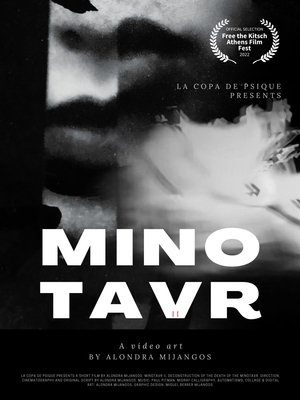
Minotavr II
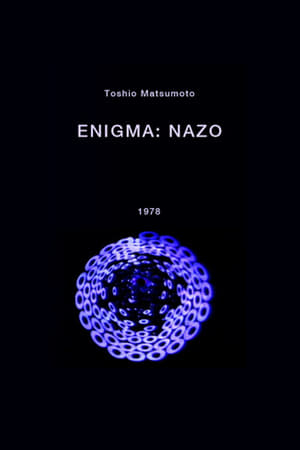
Enigma is something of a more glamorous version of White Hole, with a wide variety of elaborate textures (often composed of iconographic and religious symbols) converging towards the centre of the screen.
El siglo de las luces
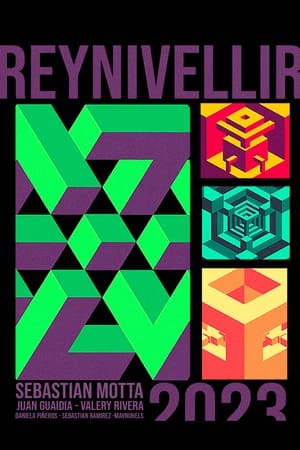
Reynivellir is a representation of the transit that is generated when approaching the art work, described with visual games that can well be evoked by the same brain when witnessing the impossible figures of Jose María Yturralde. Reynivellir is also a beach in a country that is a musical sonnet, and this is so because the mental image does not always connect the articulated parts of a sensation, it is systematic, but aleatory, and it is from these notions of the field of observation, that it approaches and moves away from understanding, linking and unlinking forms, movements, sounds, sensations and knowledge.
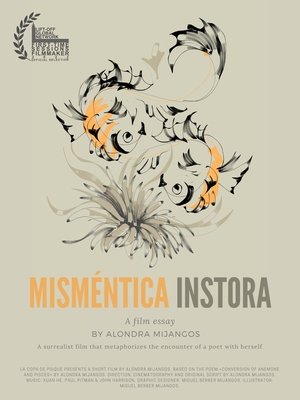
Anémona and Pisces live a capicua experience: they are at the same time the woman who looks, the woman who is looked at, and the very act of looking. Between fractal scenes and images multiplied in reference to Man Ray, Anémona assumes the will to, through the state of trance, always be a foreigner within herself, while Pisces goes in search of an alien vision, to assume herself as the self and otherness to understand the world.
DRK PARA
BRIDAL SHOWER
banksi unbrush ponitaeyel
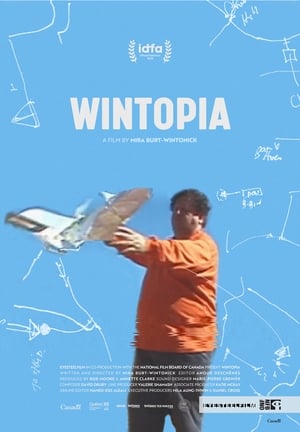
IDFA and Canadian filmmaker Peter Wintonick had a close relationship for decades. He was a hard worker and often far from home, visiting festivals around the world. In 2013, he died after a short illness. His daughter Mira was left behind with a whole lot of questions, and a box full of videotapes that Wintonick shot for his Utopia project. She resolved to investigate what sort of film he envisaged, and to complete it for him.
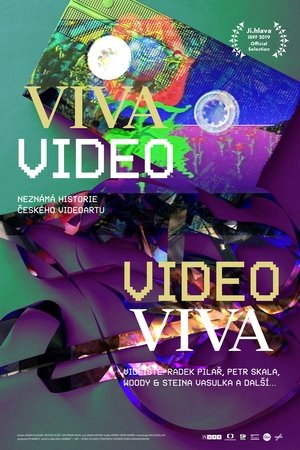
Today, analogue video is attractive primarily thanks to the distinctive aesthetic quality of its pixelated image and raster errors. But for Czech artists who first explored the possibilities offered by video art in the late 1980s, this medium represented a path towards freedom. Through a portrait of her grandfather Radek Pilař, one of the pioneers of Czech video art, the director explores her own legacy of imperative creative fascination. Her film’s main story, i.e., the process of reconstructing the 1989 exhibition Video Day, contrasts this enchantment with life in the final days of the totalitarian regime, which different sharply with the adventures of those who decided to emigrate – whom the filmmaker also visits in order to discover forgotten works, get to know their creators, and re-establish broken ties.
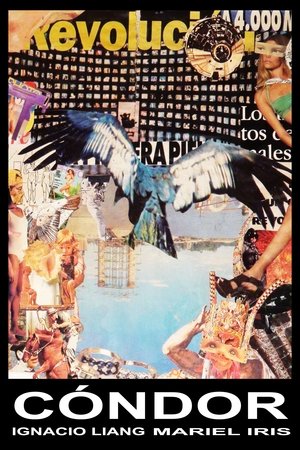
Cóndor