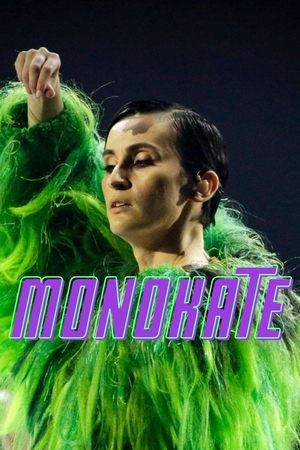
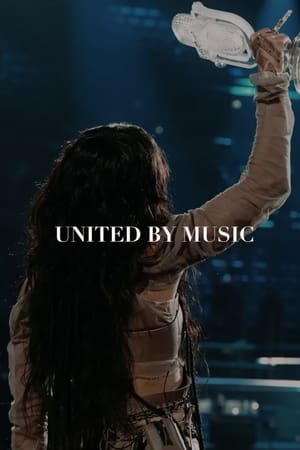
Documentary that follows Go_A’s lead singer Kateryna Pavlenko in the build up to Eurovision 2021.
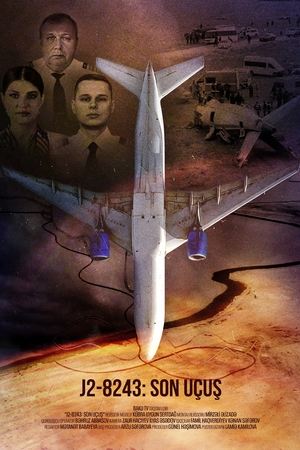
J2-8243: Son Uçuş
Faced with the wreckage of a failed film project and the turmoil of his troubled youth, a young filmmaker, urged by his friends, seeks refuge in therapy. Each session becomes a battleground where he confronts his deepest fears and darkest nightmares. As his life unfolds in the therapist's office, a glimmer of hope emerges amidst the chaos. Yet the journey is fraught with peril, forcing him to confront painful memories and insecurities. Through unwavering determination, he triumphs over his nightmares, emerging from the shadows reborn and renewed. This film is a testament to the power of the human spirit, offering hope even in the darkest of times.
An intimate portrait of Barbara Pravi. The camera slips into the background, forgotten as it accompanies the singer and actress through her everyday life to reveal her inner pathway. An opportunity to follow her through the different stages of a great adventure, the 2021 Eurovision Song Contest.
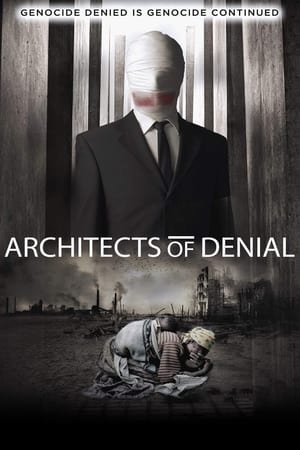
Though both the historical and modern-day persecution of Armenians and other Christians is relatively uncovered in the mainstream media and not on the radar of many average Americans, it is a subject that has gotten far more attention in recent years.
Adam and Wiktor are obsessed with Eurovision and their hearts beat extra hard for the Swedish double winner Loreen. But the harsh jargon that prevails among the young people in their Polish town risks poisoning both their friendship and dreams of Sweden.
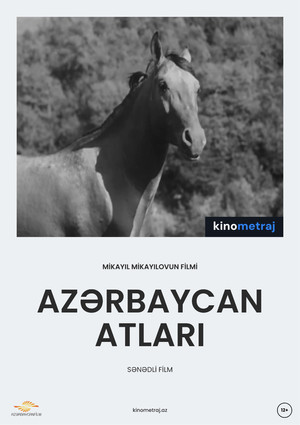
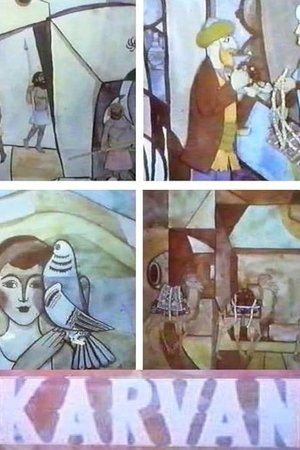
The film is about the breeding of the famous Karabakh horses at the Aghdam equestrian factory.
Now a global benchmark for blending medieval sounds with contemporary music, Faun began in 1999 in Gräfelfing, in the western suburbs of Munich. The Bavarian band has always remained faithful to its “pagan folk” roots and even attempted to qualify for Eurovision in 2015! Their twelfth studio album, entitled “Hex,” is scheduled for release in September. A great way to get us in the mood.
In October, during the tense days of the Nagorno-Karabakh war, the director takes his camera to the village of Ashagi Nuvedi in Lankaran. The film follows the daily lives of fishermen — Sakhavat, Ramesh, Rza and Tehran — living in the shadow of the war. They go out to sea every morning amid news from the front, fearing empty nets, and hoping for a miracle — a goldfish in difficult days.
The months of struggle people of Bashlibel had to overcome to live during the first Karabakh war and their escape into safety.
Congratulations: 50 Years of the Eurovision Song Contest was a television programme organised by the European Broadcasting Union (EBU) to commemorate the Eurovision Song Contest's fiftieth anniversary and to determine the Contest's most popular entrant of its fifty years. Hosted by Katrina Leskanich and Renārs Kaupers, the event took place at Forum, in Copenhagen on 22 October 2005. The host broadcaster was Danmarks Radio (DR). Fourteen songs from the Contest's first half-century, chosen through an internet poll and by a jury, contested the event.
Richard Fairbrass goes behind the scenes of the 1998 Eurovision Song Contest.
The film is about Azerbaijan.
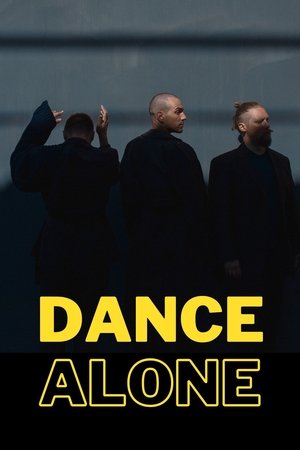
Dance Alone
Behind the scenes look at the 2023 Eurovision Song Contest.
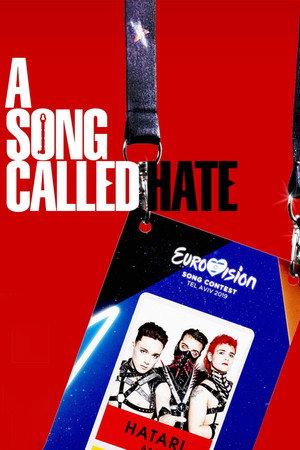
The pro-Palestinian, anti-capitalist, BDSM-provocative, techno-punk performance art ensemble Hatari unsurprisingly drew attention to themselves with their performance at the Icelandic qualifiers for the Eurovision Song Contest. So much so that they won and therefore were allowed to perform at the main event in Tel Aviv. But what now? Should they boycott the event, swallow their idealism, or use their airtime to criticise the host country for their illegal occupation of Palestine? The Icelandic director Anna Hildur joins the boys in the band all the way to the fateful final.
The film consists of three novels: the first novel about Gobustan, an ancient human settlement. The second novel deals with the theme of the East and women. The third novel tells about January 20, 1990 and the Khojaly tragedy.
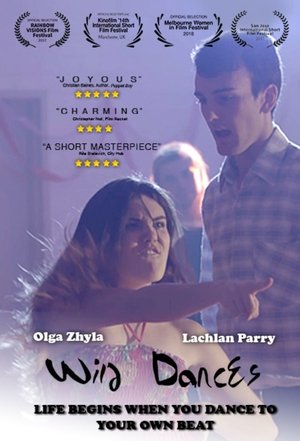
In a small rural Australian town in 2004, two teenage outcasts come into conflict with their families on the night Ruslana wins the Eurovision Song Contest for Ukraine. 17-year-old Todd faces awkward and unsubtle probing from his family about his sexuality, specifically whether or not he will take a girl to the upcoming school dance. Across town, Lesia Lysenko, the only girl from an immigrant family at Todd's conservative, Catholic High School, clashes with her strict, Ukrainian father, who insists that Lesia take her younger brother to chaperone her to that same school dance. As Lesia experiments with a newfound sense of rebellion, Todd is asked out by a clueless, smitten girl with a pet hate of pop music. He practises the dance moves from Ruslana's song in his family's tool shed and hatches a secret plan to get the song played at the disco. The film moves towards its fabulous, genuinely heartwarming climax as Lesia and Todd learn that life begins when you dance to your own beat.
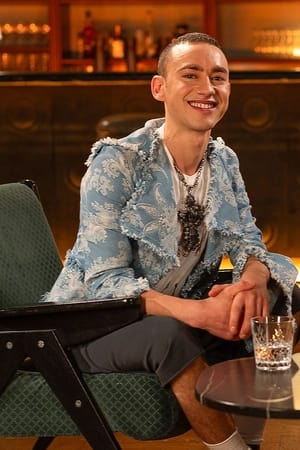
Olly Alexander is preparing to fulfil one of his biggest life ambitions - to represent the United Kingdom in the much-loved Eurovision Song Contest. Ahead of the grand final in May, Olly joins fellow Eurovision lover and commentator Graham Norton to talk candidly about competing in Sweden. As an extra treat for Eurovision fans, Olly reveals the first full play of the music video on TV for his Eurovision song Dizzy.
As a result of the second Karabakh war, a village should be ceded to Azerbaijan since a new highway is built through the Lachin corridor. The family of Narine, like many other Armenian families, needs to find a new place.