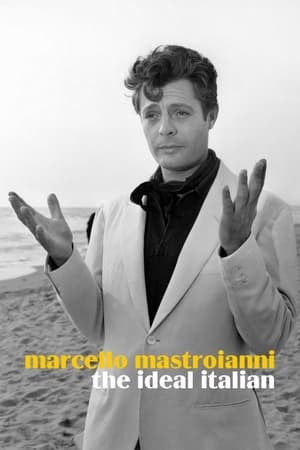
A portrait of the mythical Italian actor Marcello Mastroianni (1924-96), a unique performer who was one of the kings of European cinema.
Before they met, they had not found success in the film industry. Michelangelo Antonioni did not direct Italian comedies. Monica Vitti did not have the looks of a Sophia Loren or a Gina Lollobrigida. United in life and on screen, they would become the creators of L'Avventura, La Notte, and L'Eclisse. Three legendary films, three declarations of love.
A tribute to Italian filmmaker Sergio Corbucci (1926-90), presented by American filmmaker Quentin Tarantino.
With a maddening sensuality, the unforgettable actress of the film "A Special Day" embodies the golden age of Italian cinema. From the suburbs of Naples to Hollywood, this biographical documentary looks back at the flamboyant career and destiny of Sophia Loren.
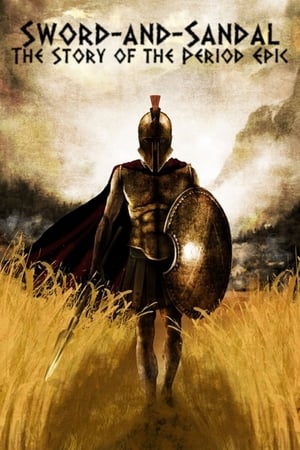
The history of the peplum genre, known as sword-and-sandal cinema, set in Antiquity, from the silent film era to the present day.
A retrospective look at the making of Michele Soavi's "The Church" including interviews with cast and crew.
Figli del Set
Quadri espansi
La Stanza Di Una Formica
Enter into the world of #DiorCruise 2026 with 'Les Fantômes du Cinéma', a film by Matteo Garrone that conjures up the intersection of temporalities and identities conveyed through Maria Grazia Chiuri’s new collection. The grounds of Rome’s Villa Albani Torlonia are the setting for dreamlike scenes in which ghostly figures clad in costumes associated with the films of Fellini, Visconti, Pasolini and more interact with the models as they prepare to unveil the House's latest creations. Featuring cameos by the photographer Brigitte and members of the House’s ateliers, this enchanting episode of magical realism is a poetic paean to the powerful femininity the Creative Director of Women’s collections has championed since the start.
Conchiglie
A young girl, pursued by a band of conspirators, hides in a movie theatre where she watches the film Cabiria. She determines to seek the aid of that film's strongman, Maciste. When she locates him, he helps her overcome her enemies, but not without many thrilling and dangerous adventures.
Oltre il confine
A model and photographer exchange glances during a photoshoot. The model becomes increasingly disturbed as the photographer seizes her image. 2023.
This pioneering documentary film depicts the lives of the indigenous Inuit people of Canada's northern Quebec region. Although the production contains some fictional elements, it vividly shows how its resourceful subjects survive in such a harsh climate, revealing how they construct their igloo homes and find food by hunting and fishing. The film also captures the beautiful, if unforgiving, frozen landscape of the Great White North, far removed from conventional civilization.
Starting with a long and lyrical overture, evoking the origins of the Olympic Games in ancient Greece, Riefenstahl covers twenty-one athletic events in the first half of this two-part love letter to the human body and spirit, culminating with the marathon, where Jesse Owens became the first track and field athlete to win four gold medals in a single Olympics.
Part two of Leni Riefenstahl's monumental examination of the 1938 Olympic Games, the cameras leave the main stadium and venture into the many halls and fields deployed for such sports as fencing, polo, cycling, and the modern pentathlon, which was won by American Glenn Morris.
Working men and women leave through the main gate of the Lumière factory in Lyon, France. Filmed on 22 March 1895, it is often referred to as the first real motion picture ever made, although Louis Le Prince's 1888 Roundhay Garden Scene pre-dated it by seven years. Three separate versions of this film exist, which differ from one another in numerous ways. The first version features a carriage drawn by one horse, while in the second version the carriage is drawn by two horses, and there is no carriage at all in the third version. The clothing style is also different between the three versions, demonstrating the different seasons in which each was filmed. This film was made in the 35 mm format with an aspect ratio of 1.33:1, and at a speed of 16 frames per second. At that rate, the 17 meters of film length provided a duration of 46 seconds, holding a total of 800 frames.
Antônio Conselheiro: O Taumaturgo dos Sertões
Louis Ortiz, a down on his luck 40-something Puerto Rican resident of the Bronx, looks in the mirror one day and believes he’s found gold—he’s a dead ringer for Barack Obama. With visions of finally living the American Dream, the charismatic Ortiz launches a complete makeover. He dons Obama’s trademark suit, adopts his mannerisms, mimics his voice and steps out onto the street as a presidential impersonator. Taken on by a casting agent, Ortiz and a gang of other political impersonators, including a Bill Clinton and a Mitt Romney, hit the road during the run-up to the 2012 presidential election to perform satirical debates for mostly Republican conventions, throwing Ortiz into conflict with his personal political beliefs. As Ortiz struggles to make ends meet, the distance between the White House and the Bronx becomes increasingly acute. The life of a president isn’t always as easy as it looks.