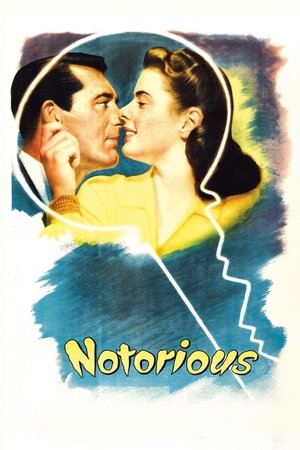
In order to help bring Nazis to justice, U.S. government agent T.R. Devlin recruits Alicia Huberman, the American daughter of a convicted German war criminal, as a spy. As they begin to fall for one another, Alicia is instructed to win the affections of Alexander Sebastian, a Nazi hiding out in Brazil. When Sebastian becomes serious about his relationship with Alicia, the stakes get higher, and Devlin must watch her slip further undercover.
During the Nazi occupation of 1944 Rome, Resistance leader Giorgio Manfredi is pursued by the Nazis as he seeks refuge and a means of escape.
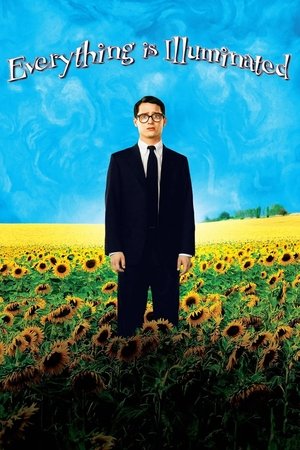
A young Jewish American man endeavors—with the help of eccentric, distant relatives—to find the woman who saved his grandfather during World War II—in a Ukrainian village which was ultimately razed by the Nazis.
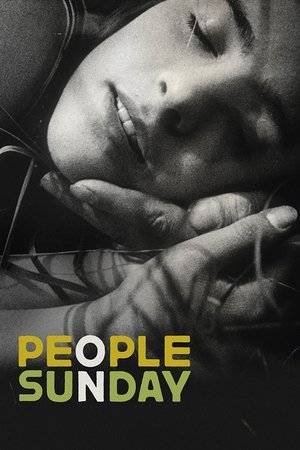
A semi-documentary experimental 1930 German silent film created by amateurs with a small budget. With authentic scenes of the metropolis city of Berlin, it's the first film from the later famous screenwriters/directors Billy Wilder and Fred Zinnemann.
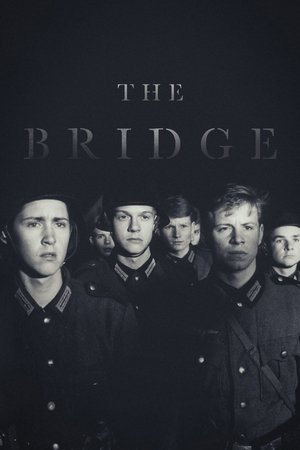
A group of German boys are ordered to protect a small bridge in their home village during the waning months of the second world war. Truckloads of defeated, cynical Wehrmacht soldiers flee the approaching American troops, but the boys, full of enthusiasm for the "blood and honor" Nazi ideology, stay to defend the useless bridge. The film is based on a West German anti-war novel of the same name, written by Gregor Dorfmeister.
Budapest in the 1930s. Restaurant owner Laszlo hires pianist András to play in his restaurant. Both men fall in love with the beautiful waitress Ilona who inspires András to his only composition. His song of Gloomy Sunday is, at first, loved and then feared, for its melancholic melody sets off a chain of suicides. The fragile balance of the erotic ménage à trois is sent off kilter when the German Hans falls in love with Ilona as well.
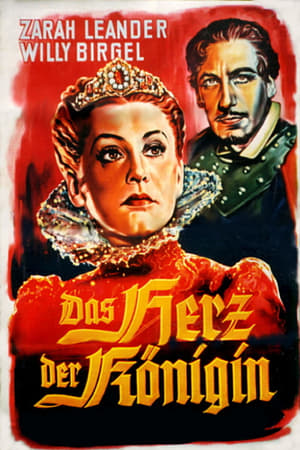
As the title "The Queen's Heart" suggests, this early German black and white version of Mary Queen of Scott's eventful reign and death focuses on her emotional perception rather lyrically, with some songs, mainly by her.
In the final days of World War II, the Nazis attempt to use black magic to aid their dying cause. The Allies raid the camp where the ceremony is taking place, but not before they summon a baby demon who is rescued by Allied forces and dubbed "Hellboy". Sixty years later, Hellboy serves the cause of good rather than evil as an agent in the Bureau of Paranormal Research & Defense, along with Abe Sapien - a merman with psychic powers, and Liz Sherman - a woman with pyrokinesis, protecting America against dark forces.
12 American military prisoners in World War II are ordered to infiltrate a well-guarded enemy château and kill the Nazi officers vacationing there. The soldiers, most of whom are facing death sentences for a variety of violent crimes, agree to the mission and the possible commuting of their sentences.
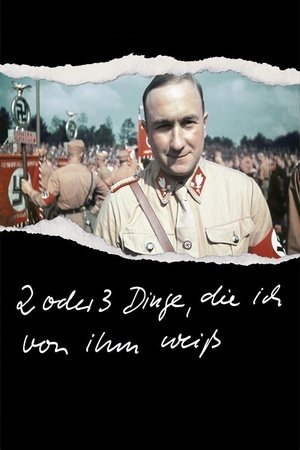
What would your family reminiscences about dad sound like if he had been an early supporter of Hitler’s, a leader of the notorious SA and the Third Reich’s minister in charge of Slovakia, including its Final Solution? Executed as a war criminal in 1947, Hanns Ludin left behind a grieving widow and six young children, the youngest of whom became a filmmaker. It's a fascinating, maddening, sometimes even humorous look at what the director calls "a typical German story." (Film Forum)
The life and career of the hailed Hollywood movie star and underappreciated genius inventor, Hedy Lamarr.
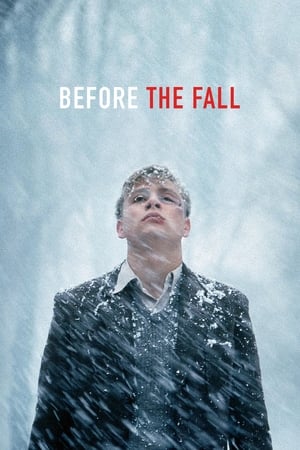
In 1942, Friedrich Weimer's boxing skills get him an appointment to a National Political Academy (NaPolA) – high schools that produce Nazi elite. Over his father's objections, Friedrich enrolls. During his year in seventh column, Friedrich encounters hazing, cruelty, death, and the Nazi code. His friendship with Albrecht, the ascetic son of the area's governor, is central to this education.
A 9th century woman of English extraction born in the German city of Ingelheim disguises herself as a man and rises through the Vatican ranks.
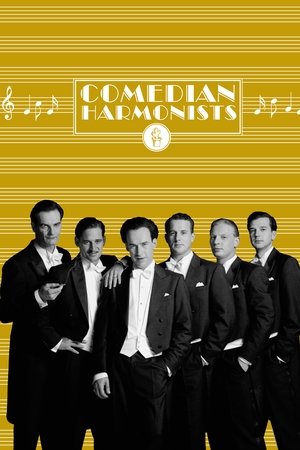
Comedian Harmonists tells the story of a famous, German male sextet, five vocals and piano, the "Comedian Harmonists", from the day they meet first in 1927 to the day in 1934, when they become banned by the upcoming Nazis, because three of them are Jewish.
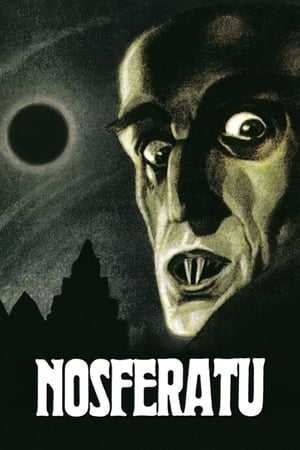
The mysterious Count Orlok summons a happily married real estate agent to his castle, located up in the Transylvanian mountains, to finalise a terrifying deal.
In 1924, Oskar Matzerath is born in the Free City of Danzig. At age three, he falls down a flight of stairs and stops growing. In 1939, World War II breaks out.
Starting with a long and lyrical overture, evoking the origins of the Olympic Games in ancient Greece, Riefenstahl covers twenty-one athletic events in the first half of this two-part love letter to the human body and spirit, culminating with the marathon, where Jesse Owens became the first track and field athlete to win four gold medals in a single Olympics.
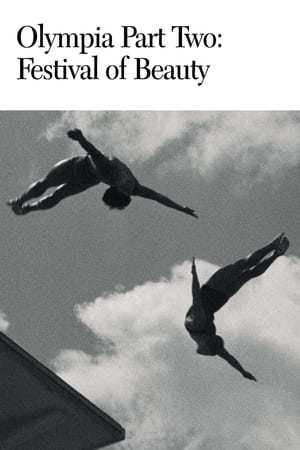
Part two of Leni Riefenstahl's monumental examination of the 1938 Olympic Games, the cameras leave the main stadium and venture into the many halls and fields deployed for such sports as fencing, polo, cycling, and the modern pentathlon, which was won by American Glenn Morris.
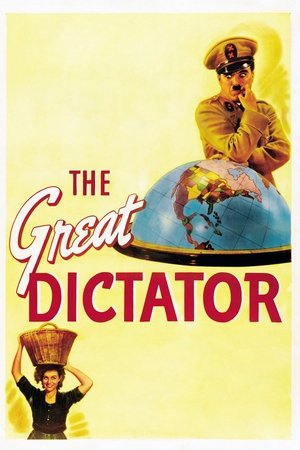
Dictator Adenoid Hynkel tries to expand his empire while a poor Jewish barber tries to avoid persecution from Hynkel's regime.
A commanding officer defends three scapegoats on trial for a failed offensive that occurred within the French Army in 1916.