It's a sensitive, moving doc chronicling the life of Tétrault's brother Philip , a Montreal poet, musician and diagnosed paranoid schizophrenic. A promising athlete as a child, Philip began experiencing mood swings in his early 20s. His extended family, including his daughter, share their conflicted feelings love, guilt, shame, anger with the camera. They want to make sure he's safe, but how much can they take?
Playboy Video Magazine was literally a video version of the publication. It included candid celebrity interviews, video editorials, the trademark playmate pictorials, interwoven with commercial parodies and short comedy sketches. The series also covered trends in media; sex, politics, culture, and pop culture.
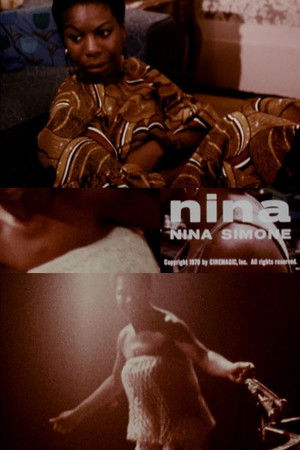
This Emmy-nominated TV special highlights rare performance footage filmed between 1968 and 1969 at various US venues and locations, including the Westbury Music Fair, The Village Gate, and RCA Studios in New York City. Also featured are candid and personal interviews with Nina herself, revealing her unique views on music and life -- all expressed with her trademark intensity.
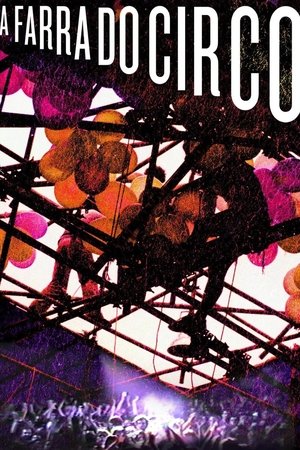
This documentary highlights the evolution of Brazil's Circo Voador venue from homespun artists' performance space to national cultural institution.
Miroslav Vitouš – jazzová legenda
Documents the race riot of 1921 and the destruction of the African-American community of Greenwood in Tulsa, Oklahoma. With testimony by eyewitnesses and background accounts by historians.
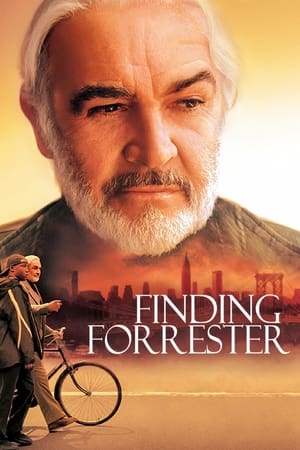
Gus Van Sant tells the story of a young African American man named Jamal who confronts his talents while living on the streets of the Bronx. He accidentally runs into an old writer named Forrester who discovers his passion for writing. With help from his new mentor Jamal receives a scholarship to a private school.
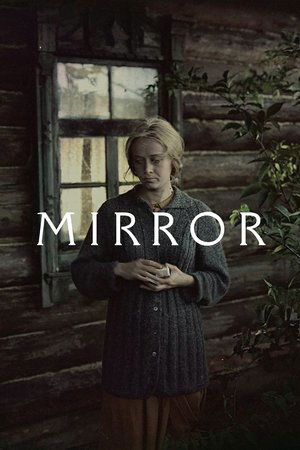
A dying man in his forties recalls his childhood, his mother, the war and personal moments that tell of and juxtapose pivotal moments in Soviet history with daily life.
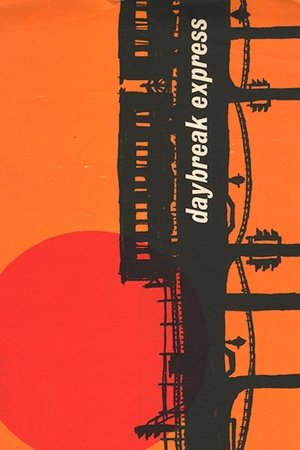
Set to a classic Duke Ellington recording "Daybreak Express", this is a five-minute short of the soon-to-be-demolished Third Avenue elevated subway station in New York City.
Isla Negra: Neruda y el mar
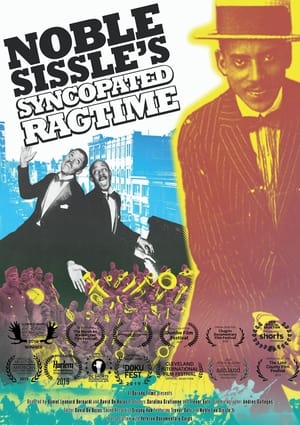
Combining footage unseen since WWI with original scores from the era, this film tells the story of Noble Sissle's incredible journey that spans "The Harlem Hellfighters" of World War I, Broadway Theatre, the Civil Rights movement, and decades of Black cultural development.
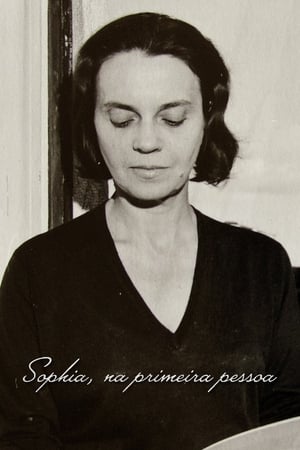
Using the author's personal estate, current images of places where she lived or were dear to her, and archival images of television and film; using parts of her prose and poetry always with first-person testimonies; from Porto to Lisbon, from Granja to Lagos, from the Atlantic Sea to the Mediterranean, from Greece to 25 April: the passions and disappointments of a life and work dedicated to the search for the real, freedom and justice.
Eldar Ryazanov reads his poetry. An introspective movie on his multifaceted work.
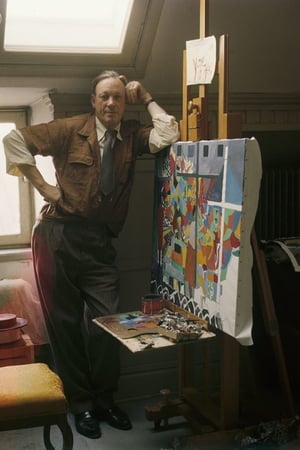
About Swedish artist, painter, sculptor and set designer Sven "X-et" Erixson, presented with Lars Johan Werle's music and accompanied by readings from various literature and poetry.
Until 1942 around 100 German propaganda films were made, that were set in Africa. They were produced in Germany, with Black Germans and Africans living in Germany. Who were these Black extras and how did they come to Germany? Why did they work in film-making? Which roles did they play and what messages did they send? What were their daily experiences as Black people during the Weimar Republic and the Nazi Regime?
In 1999, on the occasion of the centenary of Ellington's birth, Franco Maresco commissioned Steve Lacy to perform ten songs by the Duke, which were recorded and filmed in Palermo. In 2024, twenty years after Lacy's death and fifty years after that of Ellington, that unpublished material re-emerges from the archive of the great Sicilian director and becomes a documentary.
Filmed with an intimate three camera shoot by Antonio Ferrera, a close friend of John Zorn and a long time cameraman for the documentary masters the Maysles Brothers, this concert film captures the band performing a set of Zorn's Masada compositions at their home base in the Lower East Side, Tonic, in the summer of 1999.
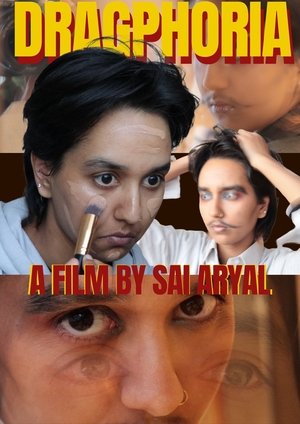
Dragphoria is a short film about drag and identity, finding yourself in a noisy crowd, and slowly accepting yourself after a long-awaited denial.
The multi-award-winning Finnish documentarian Mika Kaurismäki, brother of Aki Kaurismäki (The Man Without a Past), helms the nonfiction work Sonic Mirror -- a protracted exploration of rhythm as one of life's driving forces. Revered drummer Billy Cobham serves as host, taking the audience on a long musical journey around the world and through a myriad of musical genres and styles. Cobham, Kaurismäki, and co. segue from Western concert halls and stages to the music of African tribes performed by Brazilian street children to the distinct music of autistic patients. Along the way, the filmmakers raise serious questions about the function of music as an identifying force, a means of communication, and an emotional release; they also probe the enduring connections between group awareness and self-awareness. The film ultimately builds to a hugely affirming and cathartic expression of music as collective expression that unifies its performers in spirit.
Presents a portrait of Ted Rosenthal, a poet who has been told that he has six months to live. He discusses how he faces death and reads poems that he wrote during this period