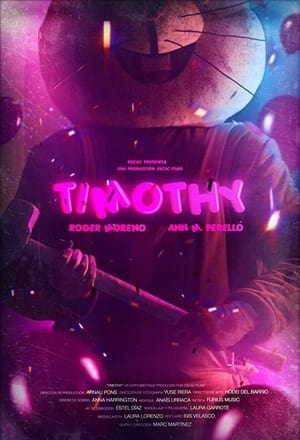
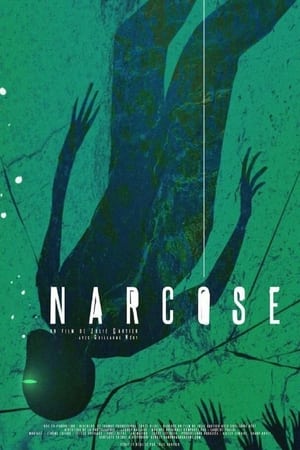
A distraught squatter tries to cope with his werewolf nature through drugs and music.
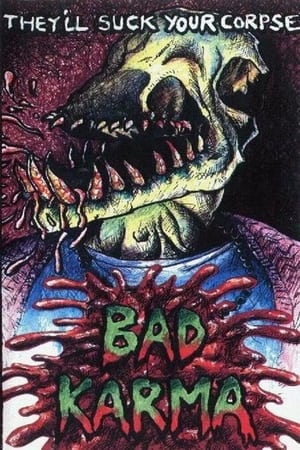
An alcohol/drug abuser re-examines his life until he nearly dies from an overdose. Then a friend convinces him to join a self-help group which turns out to be demonic.
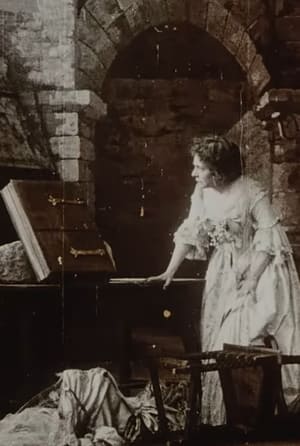
During a game of hide and seek, a new bride hides in a chest and remains undiscovered until a strange visitation thirty years later.
A homeless bum, bored of eating the same food every night, promises his girlfriend a special dinner. He plans to take her out with money robbed from a passing stranger. But the bum’s in for a surprise when the man he targets for his mugging turns out to have special – and hilarious – powers.
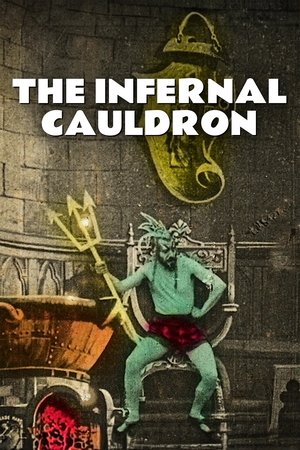
A green-skinned demon places a woman and two courtiers into a flaming cauldron.
On a quiet night, a young couple find themselves caught up in a nightmarish ordeal after they witness a murderer disposing of a body in this claustrophobic thriller.
A group of people is having a barbecue party when two Krishnas appear at their doorstep, both of which transform into hideous monsters and start killing everybody in gory ways. The survivors retreat to a friend's house and realize something bigger is going on...
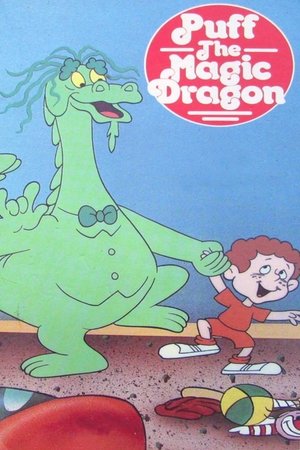
Jackie is a boy who is so trapped by his fears and doubts that he could not communicate with anyone. Then, a magic dragon named Puff comes to help Jackie by taking his soul force on a wonderous voyage to his island of Honah Lee. Along the way, they have adventures that nurture Jackie's imagination and courage in unorthodox ways.
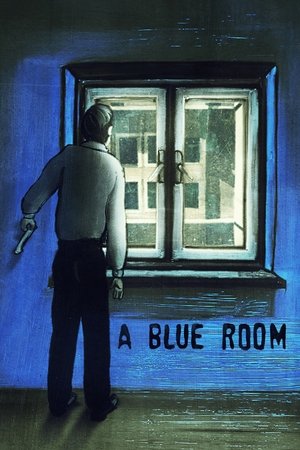
A man is trapped in a sinister flat, where nothing seems to obey the laws of nature.
One of the two earliest horror films ever made. This film is presumed lost.
One of the two earliest horror films ever made. This film is presumed lost. In this black comedy scene, the bottom falls out of a coffin, the corpse tumble out, and is jolted back to life. Short sequences like this, as well as street scenes and dancing geisha girls were the main subjects of early Nippon cinema, pioneered by Shiro Asano and Shibata Tsunekichi from 1897 onwards. In creating dramatic, scenes, film-makers naturally chose the most striking or bizarre. Another undocumented film, recalled by cameraman Shiro Asano.
"Mahou Tsukai Jiji" was created as part of a project promoting the relation between young and old people.
A man gets trapped inside a telephone box and nobody is able to free him.
A cat, being sent out for the night, begins to make trouble for some birds. He later has a nightmare that the birds grow and begin to extract their revenge.
Walt Disney enlisted former colleagues Hugh Harman and Rudy Ising to help create this underwater Silly Symphony. Ocean waves form merbabies who are summoned to an aquatic circus playground on the sea floor, where they interact with a parade of seahorses, starfish and other marine life, before disappearing into the surface from which they came.
This film resulted from the unfinished short film Puce Women. The film opens with a camera watching 1920s style flapper gowns being taken off a dress rack. The dresses are removed and danced off the rack to music. (The original soundtrack was Verdi opera music; in the 1960s, Anger re-released the film with a new psychedelic folk-rock soundtrack performed by Jonathan Halper.) A long-lashed woman, Yvonne Marquis, dresses in the purple puce gown and walks to her vanity to apply perfume. She lies on a chaise lounge which then begins to move around the room and eventually out to a patio. Borzois appear and she prepares to take them for a walk.
The story of a cat who, legend has it, longs to become human.
Rough Magik is about The Night Scholars, a clandestine organization setup to monitor the ancient cult of Cthulhu. After decades of compiling an enormous database of arcane information, they have come to a single, incontrovertible conclusion: the Sleeping God is waking.
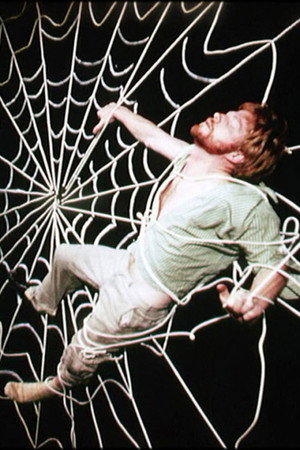
The surrealist film shows repetitive imagery involving a string fashioned in a bizarre, almost spiderweb-like pattern over the hands of several individuals, most notably an unnamed young woman and an elderly gentleman. The film also shows a shadowy darkness and people filmed at odd angles, an exposed human heart, and other occult symbols and ritualistic imagery which evokes an unsettling and dream-like aura. Considered an unfinished film.
The seven short films making up GENIUS PARTY couldn’t be more diverse, linked only by a high standard of quality and inspiration. Atsuko Fukushima’s intro piece is a fantastic abstraction to soak up with the eyes. Masaaki Yuasa, of MIND GAME and CAT SOUP fame, brings his distinctive and deceptively simple graphic style and dream-state logic to the table with “Happy Machine,” his spin on a child’s earliest year. Shinji Kimura’s spookier “Deathtic 4,” meanwhile, seems to tap into the creepier corners of a child’s imagination and open up a toybox full of dark delights. Hideki Futamura’s “Limit Cycle” conjures up a vision of virtual reality, while Yuji Fukuyama’s "Doorbell" and "Baby Blue" by Shinichiro Watanabe use understated realism for very surreal purposes. And Shoji Kawamori, with “Shanghai Dragon,” takes the tropes and conventions of traditional anime out for very fun joyride.