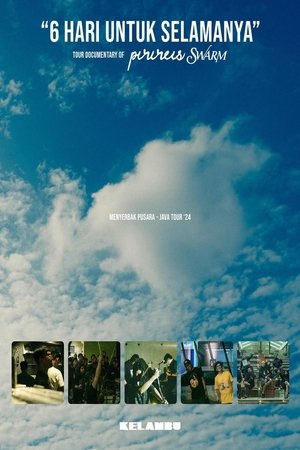
Archives from Swarm's Involving Heritage 2024 tour with Piri Reis in five cities on the island of Java.
An upcoming documentary on the Arizona screamo band Journal.
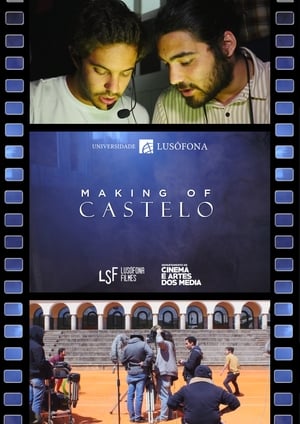
A two parts making of documentary, following José Augusto Silva and his film crew during the shooting of a university short film called Castelo.
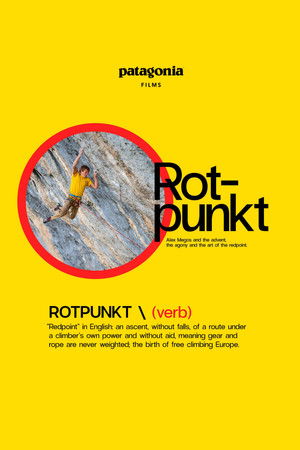
Rotpunkt documents the advent, the agony and the art of the redpoint through Alex Megos’s efforts to redefine the boundaries of the form. The film traces the redpoint—which transformed rock climbing from an engineering problem into a brilliant test of mental and physical strength—from its origins with a ragtag bunch of tights-wearing revolutionaries in rural Bavaria, to its golden era with Wolfgang Güllich, to its new ideal in the German phenom Megos as he battles to unlock new levels of human potential.
A scenic documentary record of a climb up to Mount Assiniboine, the 'American Matterhorn' in the Canadian Rockies.
After reading the book "Guide to Hoggar Climbing," guide Pierre Agresti and his wife Isabelle Agresti set off into the Hoggar massif in the Algerian Sahara and tackled the west face of Garet El Djenoun. After a first attempt in 1967, they successfully reached the summit in 1970 and, with an old camera, made a film that remained unused for 25 years. In 1996, they decided to bring the past back to life through the ascent and encounters with the Tuaregs in the rock salt mines of Amadror. The film was shown in competition at the Trento Film Festival in 1997.
Explore the life of Flannery O’Connor whose provocative fiction was unlike anything published before. Featuring never-before-seen archival footage, newly discovered journals, and interviews with Mary Karr, Tommy Lee Jones, Hilton Als, and more.
Raj Kapoor, the film maker and actor became a legend in his lifetime. Head of one of the last great studios on the Indian sub-continent and creator of a film-making empire for nearly half a century. Woven into the texture of this 70-minute film, part personal narrative, part rare visuals, part cinema footage, is the picture of a man who straddled the Indian cinematic world for nearly half a century like a colossus.
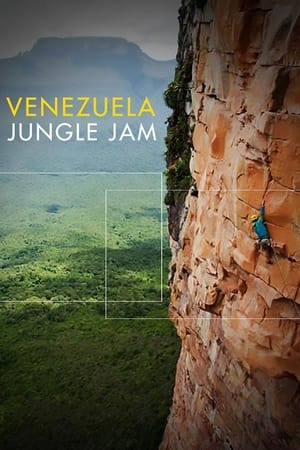
The latest film from the Belgian climbing team, following Asgard Jamming and Vertical Sailing Greenland, Venezuela Jungle Jam features Sean Villanueva O'Driscoll, Nico Favresse, Stephane Hanssens and Jean-Louis Wertz as they attempt a new free climb on the overhanging 500m wall of Amuri Tepul in the Venezuelan Jungle.
Every year, thousands of German citizens travel to India, hoping to have a spiritual awakening of their own. In turn, they end up taking bits and pieces of Indian culture back home with them, creating a distorted version of Indian religion that’s practiced widely across Europe. The number of yoga institutes, ashrams, and Sanskrit institutes in Germany indicates that younger generations are far from giving up on this trend. Some are so enamored by this version of Indian culture that they travel thousands of kilometres to meet their spiritual advisors in tents, attend yoga sessions at 5 in the morning, and, in some cases, even adopt Indian names and clothes to try and connect more with this Eastern way of living. But exactly how prevalent is this trend?
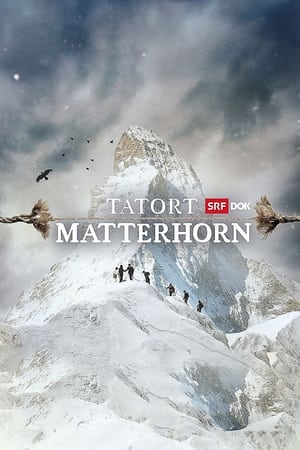
The first ascent of the Matterhorn was made on July 14, 1865 by Edward Whymper, Francis Douglas, Charles Hudson, Douglas Hadow, Michel Croz and two guides from Zermatt, Peter Taugwalder father and son. Douglas, Hudson, Hadow and Croz are killed on the descent after Hadow slips and drags the other three men down the north face. Whymper and the two Taugwalders, who survive, are later accused of having cut the rope that connected them to the rest of the group so as not to be dragged into the fall, but the ensuing investigation finds no evidence of their guilt and they are acquitted. The Matterhorn is the last great peak in the Alps to be conquered and its ascent marks the end of the golden age of mountaineering. One hundred and fifty years later, a team undertakes the same expedition in order to unravel the mystery.
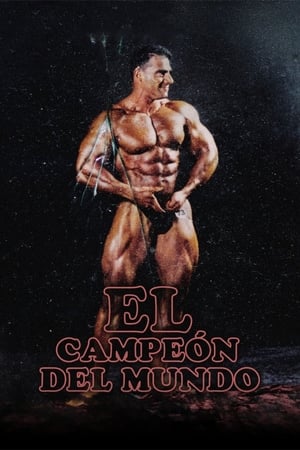
Ten years after winning a world title in bodybuilding in Russia and becoming a star of said discipline in Mexico, Antonio Osta (43) leads a life of austerity in the Uruguayan rural town where he grew up. He resides there with his son Juanjo (17), a sensitive teenager who keeps him company and confronts him openly. Suffering from acute kidney disease which keeps him from competing professionally, Antonio is stuck in limbo, halfway between his glorious past and the impossibility of being who he once was. However, he is unwilling to give up his lifestyle, even if it kills him. In an attempt to reinvent himself, and seeking a better future for his son, Antonio plans a comeback to the Mexico bodybuilding scene, where he may relive his glory days.
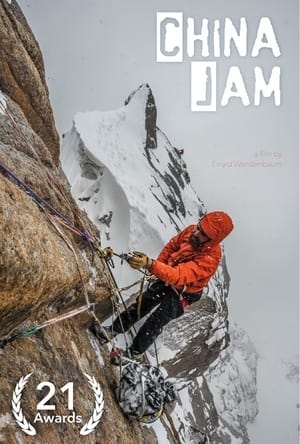
In their infinite quest for virgin big walls, adventurers Sean Villanueva O’Driscoll, Nicolas Favresse, Stephane Hanssens and Evrard Wendenbaum, head in September 2013 to a remote valley in the westernmost region of China. There, they found a fantastic 1200m vertical pillar, culminating at 5842m. They spent 14 days on the wall facing snow storms and harsh conditions to finally achieve this amazing ascent with some frost bites but never forgetting to have a lot of fun and to play unreal musical sessions.
Many years ago, a group of friends started a journey. This documentary looks back at unique hobby that forged an unbreakable brotherhood.
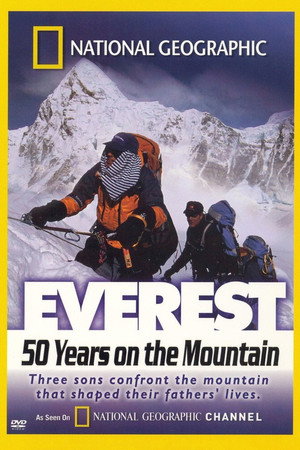
In 1953, Sir Edmund Hillary & Tenzing Norgay made history as the first people to reach the top of Everest. Now, 50 years later, three sons of Everest's most celebrated climbers return to the mountain to challenge it again. Join their journey as they brave the elements and face death to climb 29,000 feet of wind-blasted rock and ice. And, relive the dramatic history of Everest from great triumphs to deadly tragedies, enduring rivalries and the unsung role of the Sherpa people—as National Geographic exposes the untold stories that lurk in the mountain's epic shadow and takes you on the ultimate Everest experience.
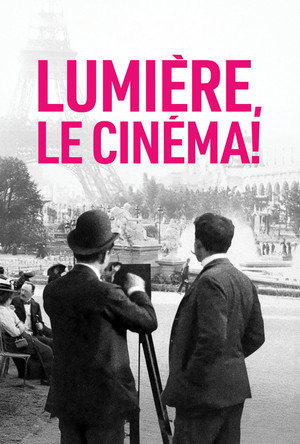
In one of those wonderful coincidences of history, lumière, the French word for “light,” was also the last name of brothers Auguste and Louis, whose brilliant invention, the cinematograph, helped to inaugurate the most beloved art form of the last 130 years. Institute Lumière director Thierry Frémaux uses Lumière, Le Cinema! to guide the viewer through over a hundred shorts—some famous, some forgotten, some never before seen—directed by Lumière and company. In the process, Frémaux illuminates how the brothers employed the camera as a creative instrument as they (and their operators) mastered framing, staging, and subject selection for quotidian and exotic microdocumentaries as well as the first ever fictional motion pictures. The result is not only a glorious re(telling) of the genesis of cinema but a profound meditation on the beautiful world captured—and the mysterious world imagined—by the Lumières.
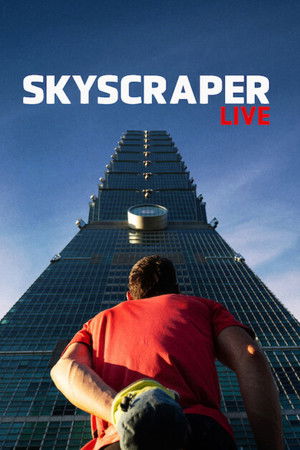
No ropes. No fear. Free solo legend Alex Honnold risks it all in a high-stakes, live ascent of one of the world's tallest skyscrapers in Taipei, Taiwan.
A lonely man falls in love with his ChatGPT companion, challenging the boundaries of love and what it means to be human.
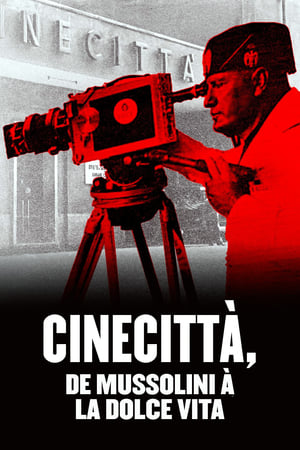
Cinecitta is today known as the center of the Italian film industry. But there is a dark past. The film city was solemnly inaugurated in 1937 by Mussolini. Here, propaganda films would be produced to strengthen the dictator's position.
Forty years after the release of Claude Lanzmann’s monumental film Shoah, Guillaume Ribot reveals the director’s relentless pursuit to tell the untold, using only Lanzmann’s words and unseen footage from the masterpiece.