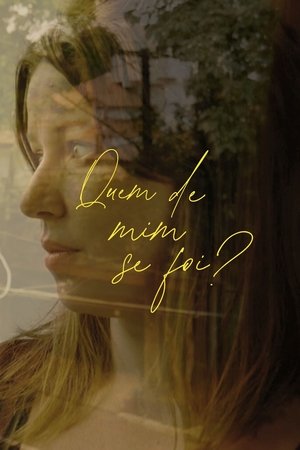
Glória manages to get a divorce and moves away, taking her daughters and the desire to start over. As she tries to turn the new house into a home and her body into a place of belonging, she faces, on the factory floor, a delicate competition for a supervisor position between colleagues and her best friend. Courage takes shape as anguish seeps into the flesh.
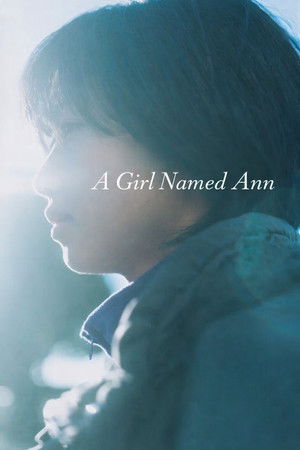
Amelia and Wes have had a falling out in Japan, a foreign land neither of them are accustomed to. While doing some soul-searching on her own, Amelia begins to notice that she's being stalked by a strange man. Wes pleads with her to come back for her own safety - but Amelia's about to find that sometimes the most familiar faces are the most misgiving.
A former arm-wrestling champion raised in the U.S. returns to South Korea for a tournament that could return him to glory, but he finds his life complicated by the appearance of the biological family he never knew.
Tomás and Marco are two friends who embark on a journey to find Tomas' father, they travel in the roads of Jalisco and Colima guided by an old photograph, on the way they meet a mysterious boy and their trip becomes an adventure.
Rajalakshmi leads a lonely life. She adopts Solomon, who has lost his parents in a car accident. Solomon tries to help Rajalakshmi solve several problems that come her way.
Vincent Lannoo’s ‘mockumentary’ shows us a community of vampires in Belgium. The two ‘parents’ of the family are George and Bertha, who have two teenage children – or rather, they raise two former humans who they turned into vampires. Son Samson is a bit of a jack the lad: enjoying the sexual freedom of vampire life, with all the vigour of an irresponsible young adult regardless of consequences (even incest is not frowned upon in their world, where the word ‘wife’ is often synonymous with ‘mother’ or ‘sister’). Daughter Grace yearns for humanity in a different way: applying fake tan to get rid of her vampiric pallor, dressing in pink clothes, wishing she could feel emotion and even having a human boyfriend.
A young woman, Eliza, returns to her hometown for summer break, and must confront a fragment of her past.
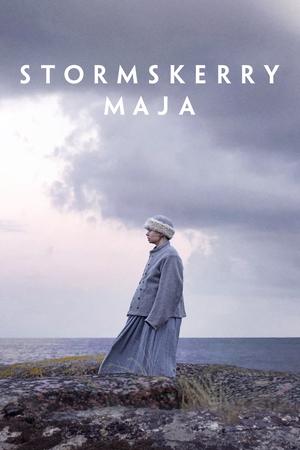
The stingy fisherman Ericsson lives on a small island north of Stockholm with his wife Johanna och her father Isak.
Christina, on arriving in Japan, acquaints a Japanese man at the airport who looks like a sap. He takes her to his apartment where he brutally rapes her and keeps her hostage and bound in chains. Christina's alluring beauty eventually enchants the rapist and he is soon consulting his 'How to Stimulate a Woman' sex book in an effort to please her...
Bonobono: Kumomo no Ki no Koto was the second theatrical Bonobono movie, released by Amuse Pictures in theaters in Japan on August 10, 2002. It was done completely in 3D.
A sequel to the 2011 "Going to the Store" and 2013 "Late for Meeting" animated short films, which feature a silly, disjointed journey in the traditions of dadaism and surreal humor in film.
Franco, an elderly man, lives his life in serenity together with his wife Margherita. The arrival of his brother Vittorio, with whom he hasn’t talked in years, breaks the calm. Vittorio wants to reconcile, but Franco still bears a grudge against him. Only a sad discovery manages to touch Franco’s heart. At dinner, peace has been made. The rediscovered brotherhood is so wonderful, it seems like a dream. It takes nothing though to turn a dream into a nightmare..
A shy young secretary is intrigued by her new neighbor.
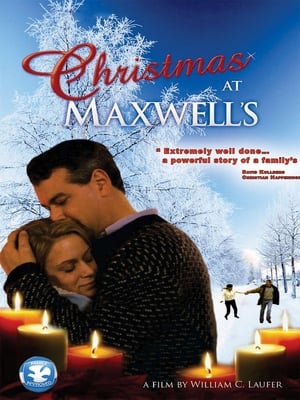
It's Christmas morning and the Murphy family gets a strange visitor. This man helps to teach young Ryan Murphy the true meaning of Christmas.
Young man comes home to get ready to take over the family company, only to find that his father has been corrupted by power. In addition, he falls for the daughter of one of his father's poverty-stricken workers.
Rift
A lost dog tries to find his way back to his beloved master in the final film of the Rusty series.
A baby has died. Orlo's parents are consumed with grief. In an attempt to make them happy and his family whole again, Orlo does something unexpected.
Ida is cleaning out the house that her grandfather, an artist, used to live in. She wades through a studio overflowing with artefacts, oddities and lost history. Similarly to S P A C E S, Štrbová treats the theme of memory and loss, combining fiction and documentary, letting the images of nostalgic childhood and the suffocating past flow associatively. To the sound of Francesco Geminiani's Concerto grosso no. 12, subtitled Madness, the fragile physicality of both dead and living relics stands out. The head of a dead parrot, a cast of her grandmother's breasts or a moss-covered real estate agent represent the discoveries of a personal archaeological site and exhibits of an introspective museum of family history.
Based on four of the six short stories compiled in Murakami Haruki's anthology, After the Quake explores the complex aftermath of Japan’s earthquakes and other global crises. (Movie version of the TV drama).