In recent years, the number of diagnoses of attention-deficit hyperactivity disorder has skyrocketed. What are the reasons? Does a society geared towards efficiency use the label ADHS to weed out anyone who does not fit its frames? What are the consequences of the fact that medication treatment has become almost ubiquitous? Could Ritalin and the like have become the doping of the performance society?
After discovering their child's life-altering sensitivity to synthetic dyes, parents and first-time filmmakers set out to uncover the impacts of these additives. They journey to meet with the world's leading synthetic dye experts, conducting in-person interviews with scientists, researchers, and impacted families. This exploration reveals a series of shocking stories and surprising discoveries.
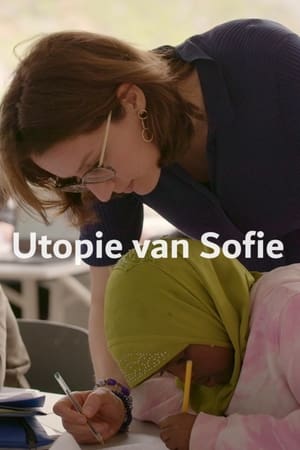
Education specialist Sofie is starting a class to offer gifted children education at their own level. But will Sofie be able to overcome the resistance to her way of working? Explora, a special class for gifted children, was started in Breda, set up by Sofie on behalf of two schools. She is a specialist in giftedness in children and notices that this group is often not recognized, even though they have the same problems as children who cannot cope with the educational level, such as dropout, boredom and depression.
Excessive talking, fidgeting, or squirming. Often loses things. Difficulty remaining seated, playing quietly, or sustaining attention. Sound like your child? The American Psychiatric Association's Diagnostic and Statistical Manual of Mental Disorders (DSM-IV) lists these as the symptoms of Attention Deficit Disorder (ADD), or Attention Deficit/Hyperactivity Disorder (ADHD). Once diagnosed, these behaviors would make your child a candidate for Ritalin, Prozac, or both. In this investigative documentary, acclaimed public health advocate and filmmaker Gary Null examines the increasingly common practice of prescribing psychotropic drugs for children, including preschoolers as young as age 2 to 4, who have been diagnosed with ADD, or ADHD. Psychiatrists may write these prescriptions without first exploring other causes or aggravating factors, like diet, or environment, and without making it clear to parents that these medications can have severe side-effects...
Three individuals describe their unique ways of coping with everyday stress, anxiety, and mental health. A narrative short film presented as documentary-style interviews, exploring the honest, messy reality of coping mechanisms and neurodivergent life.
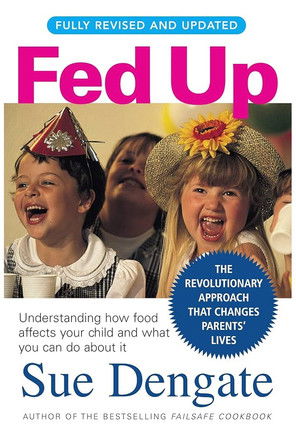
A compelling presentation by Sue Dengate exploring how food additives and chemicals impact children's health, learning, and behaviour. The film combines insightful interviews with families and experts, offering support and information on managing food-related behavioural issues.
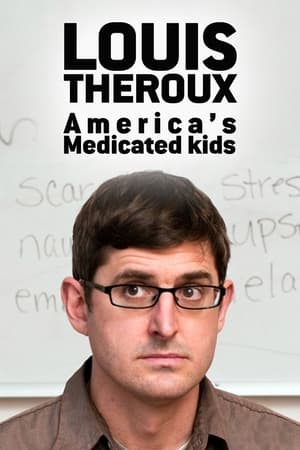
Faced with the challenging behaviour of their kids, more and more parents in America are turning to psychoactive medication to help them cope, even though the drugs, and sometimes the diagnoses, remain controversial. Louis travels to one of America's leading children's psychiatric treatment centres, in Pittsburgh, Pennsylvania, to get to know the diagnosed children and hoping to understand what drives parents to put their kids on drugs.
Recently diagnosed with ADHD, a symphony conductor uses the career shutdown of the 2020 pandemic to dive into her mental health. She looks for ways to face the challenges and honour the gifts of being neurodiverse.
In response to a humorous and heartfelt letter that he sent to his son in high school to wish them good luck in their GCSE exams, M.J Connor decides to respond to their Dad’s letter by surprising him with a documentary they made about their relationship with him and their mental health. M.J suffers with MADD (Mixed and Anxiety and Depressive Disorder) and Combined ADHD. In the film, they use dramatisations and scenes where they talk directly to their Dad in order to get him to understand what they go through on a daily basis, but to also thank him for everything he’s done for always being there and supporting them every step of the way.
Fühlen Wie Ein Ozean
Psychiatrist Dr Max Pemberton explores the controversy surrounding attention deficit hyperactivity disorder and how it is treated.
A short documentary of a day in the life of a young teen with ADHD
ADHD is one of the most commonly diagnosed-and widely misunderstood-neurological conditions in the world today, affecting nearly 10% of kids and a rising number of adults. But what if having an ADHD brain is actually an asset? A growing number of innovators, entrepreneurs, CEO's, Olympic athletes, and award-winning artists have gone public about their diagnosis, saying that their ADHD, managed effectively, has played a vital role in their success. The Disruptors hears from many of those game-changing people speaking candidly about their ADHD, and intimately takes viewers inside a number of families as they navigate the challenges, and the surprising triumphs, of living with ADHD. The Disruptors takes an immersive look at our approach to ADHD that debunks the most harmful myths, and examines the flip side of this trait that ultimately offers a revelatory understanding of the diagnosis, and real hope for millions of kids, families and adults with ADHD.
TDAH : réussir autrement
Jamais Mieux
ADHD Mijn Zoektocht Naar Rust
TDAH - O Conhecimento Facilita a Adesão
Portrait du trouble déficitaire de l'attention avec ou sans hyperactivité
For over 20 years, film enthusiast and amateur filmmaker Anders Olofsson has worked on what quickly became his life project, "Stall-Erik och Snapphanarna". What he may lack in technical skill he makes up for with his genuine enthusiasm for the project, and perhaps this is how he has managed to convince an unbelievable roster of eighty well-known Swedish film actors to participate in this production. When he will actually finish his film, only time will tell.
After turning in his fourth late assignment, Sam is sent to his university's counsellor, Dr Miller. Struggling to focus and sit still, Sam reveals how his love for music and all things practical was neglected by his parents, who eventually pushed him into theoretical subjects he can't excel in. When the counsellor suspects he has ADHD, Sam reveals that he sometimes feels all his annoying impulses could be best described as an irritating "shadow"; a loud, brightly-dressed version of himself who never leaves him alone. She then asks Sam to recount the day when the "Shadow" led him through London, prioritising trivial tasks over his assignment, ultimately leading him to not hand it in on time.