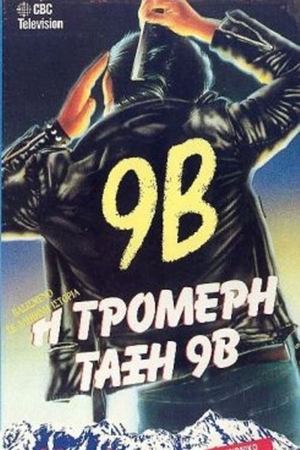
The story of a young idealistic teacher and his struggle with a class of difficult students in a northern British Columbia school.
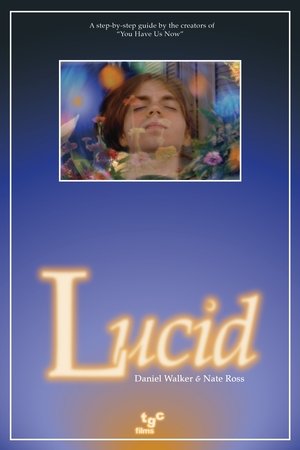
Winter and summer, day and night, life and dreams. Lucid is all about duality. Anxious and awkward in real life, Everett decides to make a change. After coming across studies in the art of Lucid dreaming, Everett hopes to improve his inept social skills. Will having full control of his dreams help him feel complete? Find out in the second feature-length film imagined by Nate Ross & Daniel Walker: Lucid.
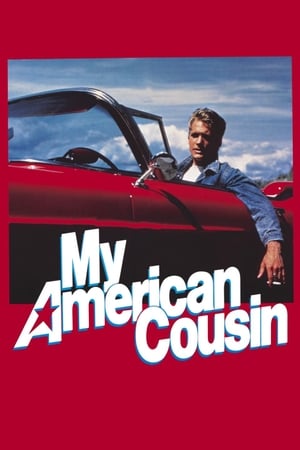
Sandy Wilcox is a pre-teen girl in rural 1950s British Columbia whose longing to be treated as an adult is roused even further when her older American cousin, Butch Walker, comes for a visit.
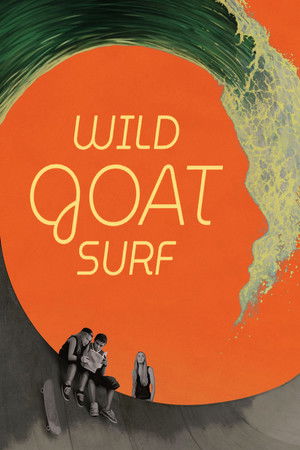
In a run-down Okanagan RV park during the summer of 2003, surfing-obsessed 12-year-old skater girl Rell “Goat” Anderson navigates the unbridled, unstructured summer days of youth, dreaming about becoming a surfer.
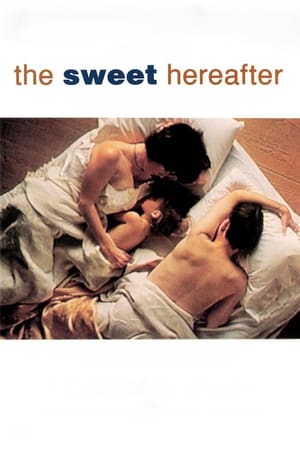
A small mountain community in Canada is devastated when a school bus accident leaves more than a dozen of its children dead. A big-city lawyer arrives to help the survivors' and victims' families prepare a class-action suit, but his efforts only seem to push the townspeople further apart. At the same time, one teenage survivor of the accident has to reckon with the loss of innocence brought about by a different kind of damage.
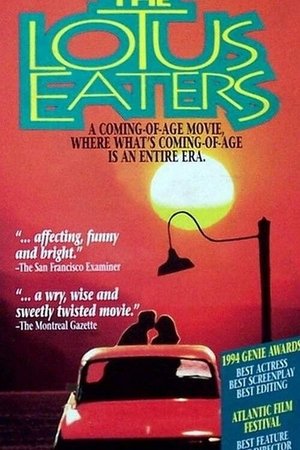
Set off the West Coast of Canada in 1965, a hip new teacher with a miniskirt and lots of ideas turns a small town upside down. The soft autumn light of Galiano Island is beautifully rendered in writer/producer Peggy Thompson's The Lotus Eaters, and that's not the only elusive element that this film has captured. In revisiting its particular time and place - the Gulf Islands of the early '60s -Thompson obviously draws on her own family experiences there. For those who share Thompson's love of Gulf Islands magic, the elements she has assembled will feel as familiar as their own childhood blanket. But there are problems at the core of this story about a family's loss of innocence.
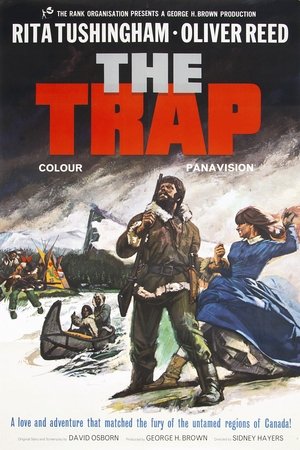
A French-Canadian fur trapper takes a mute girl as his unwilling wife to live with him in his remote cabin in the woods.
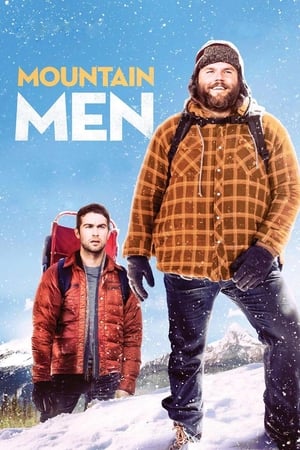
Two estranged brothers, Toph and Cooper, must journey to a remote family cabin in the mountains to evict a squatter. Buried resentment and bruised egos soon derail the plan and when the smoke clears they've destroyed their car and burned down the cabin, leaving them stranded in the cold Rocky Mountain winter. With their very survival at stake, they must learn to work together as brothers to get back to civilization.
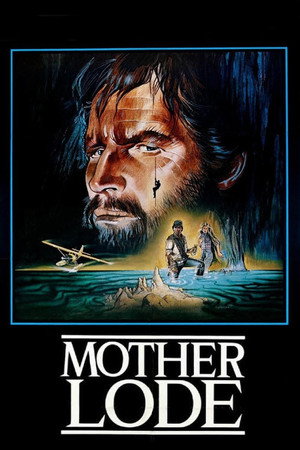
A couple of young adventurers go into the wilderness of British Columbia in search of a lost colleague. Their plane crashes and they find themselves at the mercy of a crazed old Scottish miner, who has lived in isolation for many decades searching the mountain caves for a chamber of long lost gold. He is prepared to do anything - including murder - to keep his gold for himself.
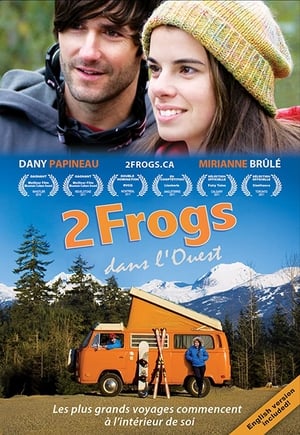
Marie Deschamps has her whole life ahead of her but isn't sure what to do with it. To the disappointment of her parents, she drops out of college and decides to go work in Whistler in order to perfect her English. After a journey across Canada, her arrival in British-Columbia is less glorious than she dreamt. Fortunately, she meets Jean-Francois Laforest, a Quebecois skier who has been living on the West Coast for 10 years. J-F will introduce her to his Anglo friends and to the lifestyle of the mountains. Somewhere out West, this adventure will change her life forever.
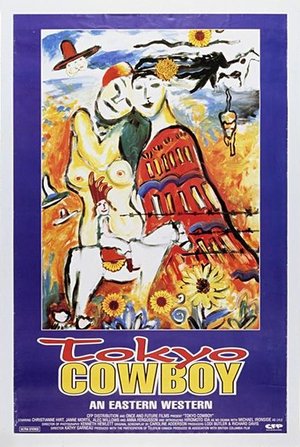
When a young Japanese man with an affinity towards American western films is fired from his job, he sets out to become a real live cowboy.
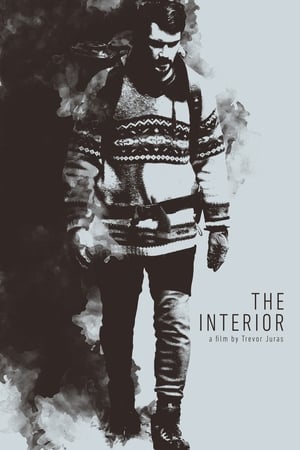
After receiving a distressing medical diagnosis, a listless young man flees the crushing tedium of Toronto city life, trading it all for the wilderness of the British Columbian Interior. When his whims go awry, he is reduced to petty thievery just to survive. Fearing his misdeeds will catch up with him, he retreats further and further into the woods only to gradually find himself the target of increasingly inexplicable and disturbing manifestations, which point to a frightening truth: he is not alone. Some one or some thing is pursuing him into THE INTERIOR.
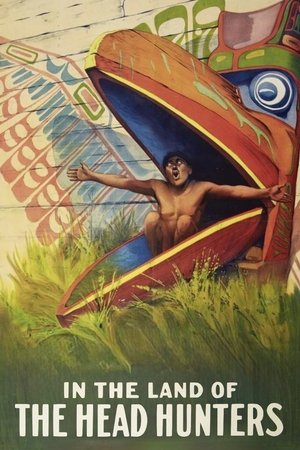
In the Land of the Head Hunters is a 1914 silent film fictionalizing the world of the Kwakwaka'wakw (Kwakiutl) peoples of the Queen Charlotte Strait region of the Central Coast of British Columbia, Canada, written and directed by Edward S. Curtis and acted entirely by Kwakwaka'wakw natives. It was the first feature-length film whose cast was composed entirely of Native North Americans; the second, eight years later, was Robert Flaherty's Nanook of the North.
A love story set against the backdrop of the climate crisis and the opioid epidemic, Echo and Wild are two urban Indigenous land defenders. On the one-year anniversary of their arrest on the front lines, a death in their community opens old wounds but also offers them a chance to heal.
A lonely artist creates a film by himself in his backyard for his own entertainment.
In an alternate 1950s where humans can be grown from seeds, a lonely woman reluctantly plants herself a brand new husband with hopes that he's the "perfect" one.
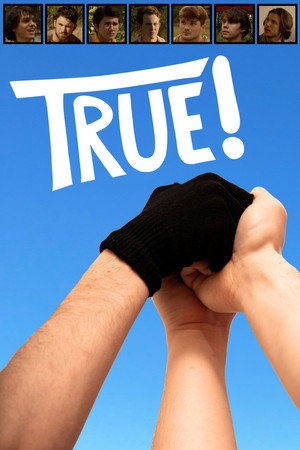
Three young men and their less than perfect friends living in West Kelowna, Canada tackle a summer of introspection and identity crises as they decide who they want to be. Told from alternating perspectives.
This film takes us into the harsh realm of BC's early coal mines, canneries, and lumber camps; where primitve conditions and speed-ups often cost lives. Then, the film moves through the unemployed' struggles of the '30s, post WWII equity campaigns, and into more recent public sector strikes over union rights.
Over the course of a year, film follows Vancouver Pride Society president Ken Coolen to various international Pride events, including Poland, Hungary, Russia, Sri Lanka and others where there is great opposition to pride parades. In North America, Pride is complicated by commercialization and a sense that the festivals are turning away from their political roots toward tourism, party promotion and entertainment. Christie documents the ways larger, more mainstream Pride events have supported the global Pride movement and how human rights components are being added to more established events. In the New York sequence, leaders organize an alternative Pride parade, the Drag March, set up to protest the corporatization of New York Pride. A parade in São Paulo, the world's largest Pride festival, itself includes a completely empty float, meant to symbolize all those lost to HIV and to anti-gay violence.
A film documenting work shortages during the Depression of the 1930s and the attempts to deal with the unemployed, in particular young men. The film discusses the establishment of relief camps and projects, where men were paid twenty cents per day; the founding of organizations such as the Co-operative Commonwealth Federation (CCF), Workers' Unity League, and Relief Camp Workers' Union; general unionization and protest of the unemployed, including the On To Ottawa Trek, Regina Riot, sit-in strike from May to June 1938 at the Vancouver Main Post Office, Vancouver Art Gallery and Hotel Georgia, and the resulting Bloody Sunday of June 19.