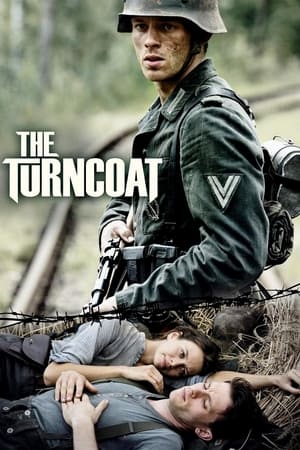
Summer 1944. Walter Proska is about to return to the Eastern Front when his train is blown up by partisans. Together with a scattered bunch of German soldiers, cut off from the front, he awaits certain death while the commands of his superior Willi Stehauf are becoming more and more senseless and inhuman.
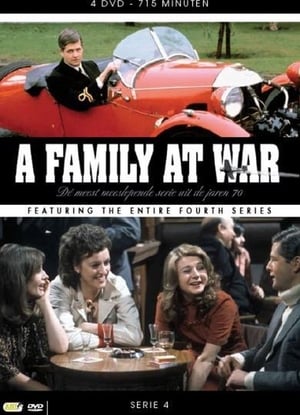
A Family at War is a British drama series created by John Finch and produced by Granada Television for ITV. It broadcast from 14 April 1970 to 16 February 1972. 52 episodes were made, all but eight in colour. Episodes numbers 25 to 32 were recorded in black and white because of the ITV Colour Strike (November 1970 — February 1971). The Ashton family struggles to deal with the harsh realities of the Second World War as their sons are sent away to fight. Those who remain at home in Liverpool live in constant fear of a knock on the door with a telegram from the War Office or the Luftwaffe bombs overhead as they sleep at night.
De Oorlog
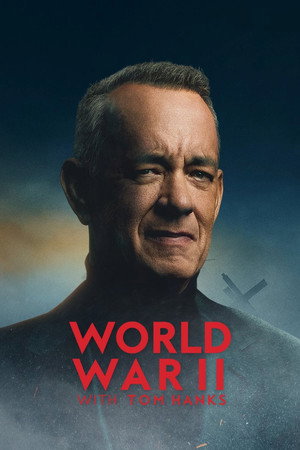
Explores WWII from Germany's invasion of Poland through the atomic age, examining pivotal battles, wartime leaders like Churchill and Roosevelt, and the human cost of total war.
Countdown zum Kriegsende - die letzten 100 Tage
Year 1944. Shortly before the start of the Crimean Offensive, the ships of the Soviet Black Sea Fleet and the Azov Naval Flotilla are in serious danger: German underwater commandos are preparing a large-scale operation to destroy the main combat units of the Soviet fleet in ports and roads. Aware of the seriousness of the threat, the Soviet command is developing an operation to detect and destroy the main base of the German underwater saboteurs.
This documentary re-creates the momentous Frankfurt trial. Rolf Bickel and Dietrich Wagner build the film around taped testimony from more than 200 Auschwitz survivors. Twenty-two former members of Hitler's SS, many of whom had carved out comfortable lives for themselves in postwar West Germany, stood trial in 1963 before 360 witnesses who accused them of murdering millions.
Hitlers Eliten nach 1945
Exploring the 'hidden front line' of the Second World War.
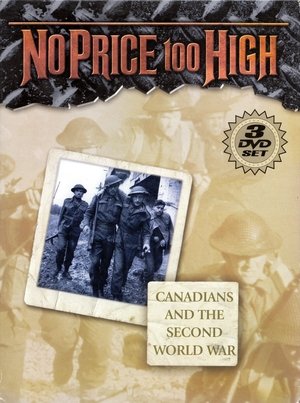
The Canadian contribution to World War Two was extraordinary in scale and variety. More than one million people, out of nation of just eleven million, volunteered to serve. To transform a small, virtually unequipped military into a powerful army, navy and air force was a remarkable achievement. No Price Too High traces Canada's involvement from the prewar years through 1945, explaining the events of the war in the context of the political and military realities of the time. There is none of the second guessing that has characterized so much recent analysis of the war. No Price Too High draws on original sources - personal letters and diary entries, and powerful photographs - to evoke the mood of those momentous years. The thoughts, hopes, dreams, fears, and heartbreaks of the generation of Canadians who faced the war are captured. Produced by Norflicks, No Price Too High chronicles Canada's role in the major events of the war, including The Battle of Britain, Dieppe and D-Day.
From tunnels to towers, artillery sites, resistance nests and communication centers, Nazi Germany left their footprint throughout the world. To this day, silent remains still exist, sentinels guarding clues about plots that Hitler was unable to carry out. The collapse of the Third Reich left as many secrets as it did relics. Still today, remnants of the Nazi's schemes lie concealed in structures scattered across the globe. Skeletons of projects give way to mysteries. Conspiracies abound about science fiction scenarios. The Nazis were nothing if not methodical, and a deeper look reveals even darker plans. From tunnels to towers, artillery sites and communication centers; the remains of these schemes lie waiting to reveal truths about the Fuhrer's tactics and dreams in Secret Nazi Bases. What did Hitler have planned?
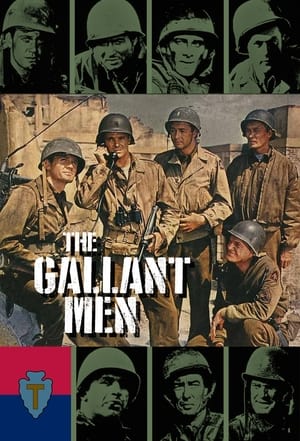
The Gallant Men is a 1962–1963 ABC television series which depicted an infantry company of American soldiers fighting their way through Italy in World War II.
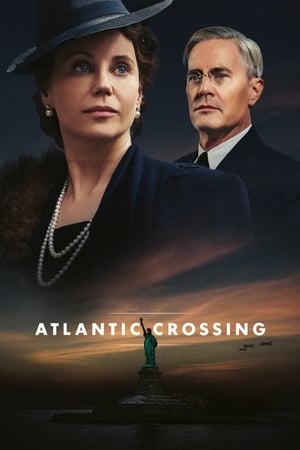
The incredible, true story of the Norwegian Crown Princess Märtha’s efforts to support her country during World War II. After a headlong flight from the Nazis, she was forced to part from her husband and cross the Atlantic Ocean to seek refuge in the United States. There, she soon found herself involved in a close relationship with the President of the United States: Franklin D. Roosevelt.
Comprised entirely of re-mastered and colorised archive footage from World War II, much of it never before seen, Sacrifice recounts the story of D-Day through the testimonies of those who lived it. These important historical days are seen through the eyes of French civilians and members of the military fighting on both sides. The testimonies of famous individuals like Dwight D. Eisenhower and Erwin Rommel are intertwined with those of anonymous soldiers and citizens, such as film director Samuel Fuller and Eisenhower's chauffeur, Kay Summersby. From the preparations for D-Day all the way through to the liberation of Paris, the accounts of these men and women provide a moving and invaluable retelling of this pivotal time in history.
World War II drama about covert organisation Lifeline helping allied airmen escape after being shot down in occupied Europe, working with the Resistance and hiding from the Gestapo.
Based on real-life experiences, Tenko remains one of the most fondly remembered and acclaimed BBC dramas of the early 1980s. It follows a group of women, formerly comfortably well-off ex-pats living in Singapore, as they are captured by the Japanese during World War II.
"Die Kinder der Flucht" is a three-part German docudrama that portrays the harrowing experiences of children and young people during the final months of World War II and its aftermath in Eastern Europe. The series weaves together dramatized reenactments, archival footage, and poignant interviews with real-life survivors to tell three distinct yet interconnected stories of displacement, survival, and resilience.
Following the attack on Pearl Harbor, the extended Henry and Jastrow families navigate the personal, social and political impacts of World War II, including the Holocaust, the Battle of the Bulge, and the Pacific theater.
La lunga notte - La caduta del Duce
A candid look at what life was really like for those living in, and under Hitler's Swastika - at home - and abroad, a record not only of what they saw, but of what they knew.