The last day of hot metal typesetting at The New York Times. This film shows the entire newspaper production process from hot-metal typesetting to creating stereo moulds to high-speed press operation.
Through the power of IMAX 3D, experience a wondrous adventure from the dinosaur age. Join Julie, an imaginative young woman, in a unique voyage through time and space. Explore an amazing underwater universe inhabited by larger-than-life creatures which were ruling the seas before dinosaurs conquered the earth. See science come alive in an entertaining manner and get ready for a face-to-face encounter with the T-Rex of the seas!
Long before Hollywood started painting white men red and dressing them as 'Injuns' Edison's company was using the genuine article! Featuring for what is believed to be the Native Americans first appearance before a motion picture camera 'Buffalo Dance' features genuine members of the Sioux Tribe dressed in full war paint and costume! The dancers are believed to be veteran members of Buffalo Bill's Wild West Show. Filmed again at the Black Maria studios by both Dickson and Heise the 'Buffalo Dance' warriors were named as Hair Coat, Parts His Hair and Last Horse. Its quite strange seeing these movies at first they all stand around waiting to begin and as they start some of the dancers look at the camera in an almost sad way at having lost their way of life.
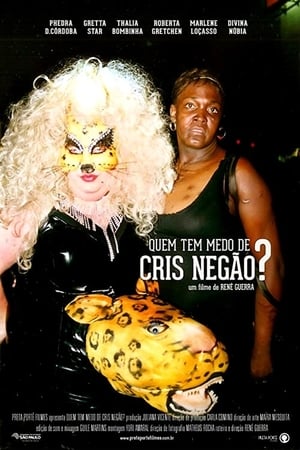
This short film portrays a group of gay teens in Sao Paulo, Brazil, and their worldviews. The testimonies of 10 young people between 16 and 18 call attention to important issues and other issues that are just fun. Through the statements of this group, the documentary gives voice to the new generation and finds out what they think about identity, sexuality and prejudice.
With a crowded arena in the background, a stationary camera records a bull charging a picador astride his horse. An attendant on foot throws stones at the rump of the horse to get it to move. Various toreadors run past the bull to try to get him to charge or at least run about.
The Derby
This is a short, simple ballet performance. Colors are used here, but the print is quite badly damaged.
Made in 1903, Eccentric Waltz showcases an exhibition by dancers Boldoni and Solinski, residents at the famous Eldorado cabaret in the Boulevard de Strasbourg in Paris. The lavish stencil colouring emphasises the woman's swirling skirt. (BFI)
This short follows a day of work for an Everglades wildlife trapper catching animals for zoos around America. In this film, his assignment is to go out into the swamp with his Indian assistant and find a bobcat, two black bear cubs and six rattlesnakes.
A young woman in traditional Japanese attire fixes her hair and kimono while her servants assist her.
A group of riders demonstrate equestrian vaulting, or voltige, on the outskirts of Prague.
The subject is a group of women bathing in a public swimming pool. The camera was placed on the edge of the pool and the full extent of the film shows the women in the pool. Only the heads and shoulders of most of the women are visible but it is possible to see they are wearing rented bathing attire.
"All sounds travel in waves much the same as ripples in water." Educational film produced by Bray Studios New York, which was the dominant animation studio based in the United States in the years surrounding World War I.
A short black-and-white silent documentary film featuring one dog jumping through hoops and another dancing in a costume, which was considered lost until footage from an 1896 Fairground Programme was identified as being from this film.
The Antwerp Zoo covers a fair extent of ground, and was already in 1910 generally considered as an important one. A large number of views of birds and animals were taken and hand coloured. In those days, the monkey house was in for much attention. People found that the various comic incidents added a touch of whimsicality.
A medium-length film that takes the central place in the video installation "The Lady of Corinth". In both the medium-length film and the installation, Guerin delves into the relationship between cinema and painting based on Pliny the Elder's account of the invention of painting.
In the 1968 movement in Paris, Jean-Luc Godard made a 16mm, 3-minute long film, Film-tract No.1968, Le Rouge, in collaboration with French artist Gérard Fromanger. Starting with the shot identifying its title written in red paint on the Le Monde for 31 July 1968, the film shows the process of making Fromanger’s poster image, which is thick red paint flows over a tri-color French flag. —Hye Young Min
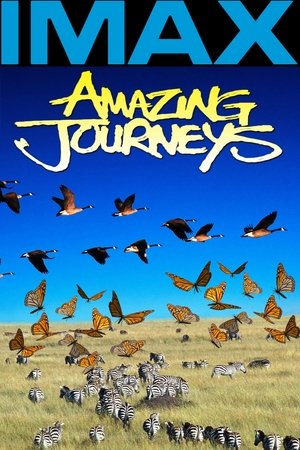
By land, by air, and by sea, viewers can now experience the struggle that millions of creatures endure in the name of migration as wildlife photographers show just how deeply survival instincts have become ingrained into to the animals of planet Earth. From the monarch butterflies that swarm the highlands of Mexico to the birds who navigate by the stars and the millions of red crabs who make the perilous land journey across Christmas Island, this release offers a look at animal instinct in it's purest form.
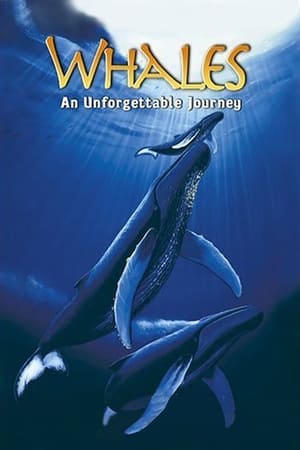
Scientists visit the remote surface and undersea locations to study various species of whales in their natural habitat.
This documentary shows how the Berliner workers lived in 1930. The director Slatan Dudow shows through images: a) the workers leaving the factory; b) the raise of the rents; c) the "unpleasant" guest, meaning the justice officer that brings the eviction notice; d) the fight of classes of the houses of capitalists and working classes; e) the parks of the working class; f) the houses of the working class, origin of the tuberculosis and the victims; g) the playground of the working class; h) the swimming pool for the working class, ironically called the "Baltic Sea" of the working class; i) the effects of humidity of basement where a family lives, with one member deaf; j) one working class family having dinner while the capitalist baths his dog; k) the eviction notice received from an unemployed family and their eviction.