Rascar Capac, the sinister creature featured on Hergé's album The Seven Crystal Balls (1948), has left its mark on many generations of readers. To draw it, the Belgian cartoonist was probably inspired by a mummy exhibited in the first pre-Columbian exhibition organized by the Brussels Cinquantenaire Museum in 1923. Two intrepid archaeologists embark on a fascinating journey to reconstruct the story of the mysterious mummy.
What is true and what is false in the hideous stories spread about the controversial figure of the Roman emperor Gaius Julius Caesar Augustus Germanicus (12-41), nicknamed Caligula? Professor Mary Beard explains what is accurate and what is mythical in the historical accounts that portray him as an unbalanced despot. Was he a sadistic tyrant, as Roman historians have told, or perhaps the truth about him was manipulated because of political interests?
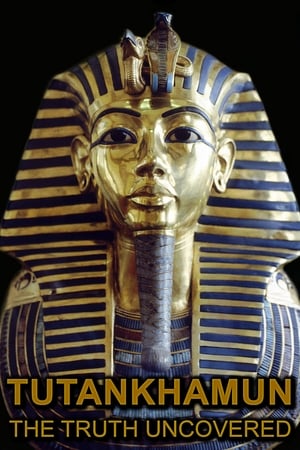
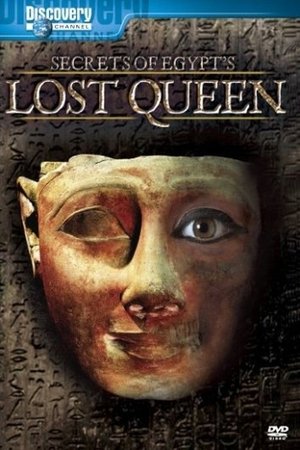
Move over, King Tut: There's a new pharaoh on the scene. A team of top archaeologists and forensics experts revisits the story of Hatshepsut, the woman who snatched the throne dressed as a man and declared herself ruler. Despite her long and prosperous reign, her record was all but eradicated from Egyptian history in a mystery that has long puzzled scholars. But with the latest research effort captured in this program, history is about to change.
Thousands of terracotta warriors guarded the first Chinese emperor's tomb. This is their story, told through archeological evidence and reenactments.
Documentary following the 1955–1956 Norwegian Archaeological Expedition's investigations of Polynesian history and culture at Easter Island.
Angkor et Les Mystères de L'Empire Khmer
Le mystère Atlit Yam - 10 000 ans sous les mers
49,000 year old Neanderthal bones have been discovered by chance in a remote, mountainous region of Northern Spain. The bones may help solve the biggest Neanderthal puzzle of all – why we are here today and Neanderthals are not. ‘The Neanderthals’ dark Secret’ revolves around ongoing investigations deep inside the forbidding subterranean cave system called El Sidrón. Here, Palaeontologist Antonio Rosas and Archaeologist Marco de la Rasilla are in their 11th year of excavation. Bones from at least 12 people and 400 stone tool fragments have been recovered. We’ll bring these people back from the past. Our haunting, hologram-like Neanderthal characters, will communicate to the scientists of today, as they unlock the secrets of El Sidrón. Many mysteries surround the site, foremost, how the bones and tools came to be here in the first place. The remains aren’t weathered nor do they show signs of scavenging from large animals.
Archaeologist Raksha Dave and historian Dan Snow return to Pompeii to gain special access to a variety of new excavations, including two never-before-seen discoveries.
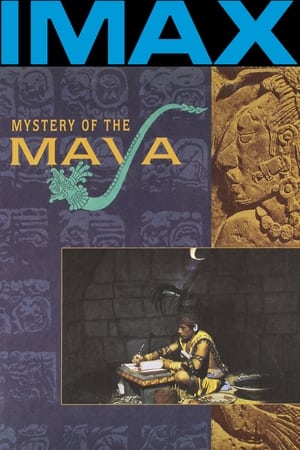
Filmed in IMAX, a young Mayan boy who lives close to the ruins becomes acquainted with an archaeologist (Guerra) and asks her to tell him about his ancestors. The crew travelled to over 15 locations in Mexico and Guatemala, including Tulum and Chichén Itzá.
In northern Peru, the unprecedented archaeological discovery of the largest known mass child sacrifice in the world opens the doors to the kingdom of Chimor. This international archaeological investigation carried out like a criminal investigation reveals the mysteries of the last civilization of the Andes before the arrival of the Incas.
Documentary that discovers all the secrets of mummification in the Canary Islands thanks to pioneering research. Regis Francisco López approaches the mummification techniques that took place in Tenerife for more than 10 centuries.
Built in 1755 at the height of the French and Indian War, Braddock's Road was one of the nation's most infamous military roads. Traces of this historic route, in western Maryland, still remain, buried beneath soil and brush, and a team of archaeologists is on the hunt.
A film on the "SAPPHIRE", the oldest identified wreck in Canadian waters. Parks Canada's underwater archaeology team is responsible for the excavation of the three-hundred-year-old frigate.
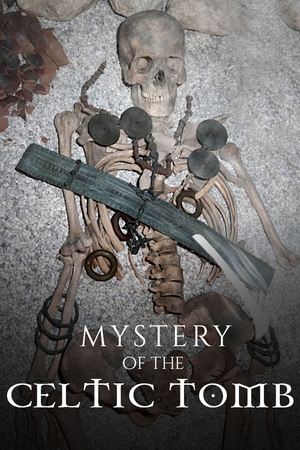
In 1921, in the Danish town of Egtved, on the Jutland peninsula, was discovered one of the most important Bronze Age burial sites: the tomb of a girl who lived around 1370 BCE. Who was that girl and what was her daily life like?
After decades of inaccessibility due to unrest and wars, teams of archaeologists from around the globe return to the greatest sites in Mesopotamia in a bid to save what can still be saved.
Over the centuries, Mont Saint-Michel, an extraordinary island located in the delta of the Couesnon River, in Normandy, France, a place floating between the sea and the sky, has been a sanctuary, an abbey, a fortress and a prison. But how was this architectural wonder built?
Shot in Southern England over the course of six weeks by a crew of three American filmmakers, CircleSpeak offers a nuanced look at the passions and beliefs of the people immersed in the crop circle phenomenon during the season of 2001. This feature-length documentary presents interviews with serious “researchers”, self-proclaimed “hoaxers”, local farmers and villagers who are all, in one way or another, involved in this strange and compelling summer spectacle taking place year after year.
Two hundred and fifty thousand years ago, the first direct representative of our species appeared on earth: Homo Sapiens... From 400,000 to 20,000 BC, we follow the destiny of Homo Erectus, Neanderthal and Sapiens. We will thus discover the appearance of language, art, cults, agriculture, and breeding.
In 79 A.D., Mount Vesuvius erupted, killing 2,000 people. This documentary asks what happened next as experts explore Ancient Rome's crisis management.