Until now, they have stood on the sidelines. They have not appeared before the cameras. They have not taken part in public discussion. It is mainly to them that the documentary film by the well-known journalist Ewa Ewart was devoted. It shows the face of the Smolensk catastrophe through the eyes of the victims' families. April 10, 2010 went down in the memory of Poles as a day of national drama. But for the characters in the film, it was the day of their greatest personal drama. Along with the presidential couple, their loved ones passed away in shocking circumstances. For most, the time passing since the Smolensk catastrophe does not bring relief. Ewa Ewart and her film crew accompany the families at various stages of their struggle with difficult emotions. The film is in the process of being made and will include sequences and stills that have not been used anywhere before.
In the Land That Is Like You is a progress on the tracks of my lost past, with the contact of my mother, my grandmother and the man who I love, in a country which escapes from me and retains me, Lebanon.
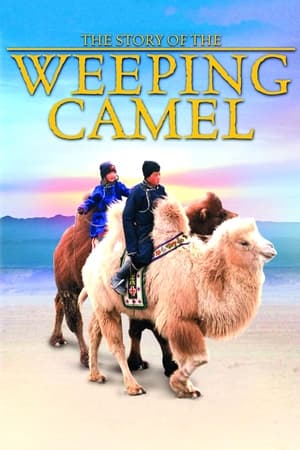
When a Mongolian nomadic family's newest camel colt is rejected by its mother, a musician is needed for a ritual to change her mind.
Rosa is from Croatia and lives in Switzerland, with her husband who depends on her care. She takes care of everything. Her children have grown up and want to leave home. Rosa stays behind alone.
A silent day unfolds on the slope of a mountain… A child exists alongside his mother and father, yet each of them seems to inhabit a different world. With no dialogue, the film relies on visual storytelling. In certain close-up shots, color fades to black and white; symbolizing moments of inner solitude, personal conflict, and emotional disconnection. The unseen distances within the family are revealed not through words, but through images.
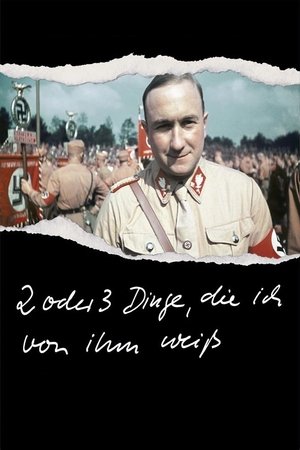
What would your family reminiscences about dad sound like if he had been an early supporter of Hitler’s, a leader of the notorious SA and the Third Reich’s minister in charge of Slovakia, including its Final Solution? Executed as a war criminal in 1947, Hanns Ludin left behind a grieving widow and six young children, the youngest of whom became a filmmaker. It's a fascinating, maddening, sometimes even humorous look at what the director calls "a typical German story." (Film Forum)
Buzz One Four chronicles the ill-fated flight of a Cold War B-52 Stratofortress loaded with two 3-4-megaton nuclear bombs that crashed 90 miles from Washington DC in 1961. Information suggests that detonation came closer than official reports indicated. The full details of the crash have remained classified and otherwise repressed by the Air Force, but the filmmaker, Portlander Matt McCormick, grew up with this story because the pilot was his grandfather. As McCormick recounts the history of the era, aspects of this crash, and other little-know nuclear-weapons accidents, he leaves us wondering if the U.S. was in greater danger of nuking itself than of being attacked by the Russians.
Filmmaker Julie Buck explores her grandfather’s collection of Super 8 footage; the revelations behind the captured moments of joy reveal dark truths.
During the rice sowing season, Jun, a young Catalan of Chinese origin, works as a seasonal worker in the Ebro Delta. This ancient labour will make him confront his own roots and the distance that separates him from his family.
Haja Fatma, a mother to eight children, tells the tale of family life in Tripoli during the Libyan Revolution. Women, young and old, all contributed during these hostile months in their own unique way. A human portal into the acts of ordinary people in their hope for freedom.
A mother and her homeless son’s last line of communication–cement walls, electrical cabinets and dusty windows.
La vie heureuse de maman Louise
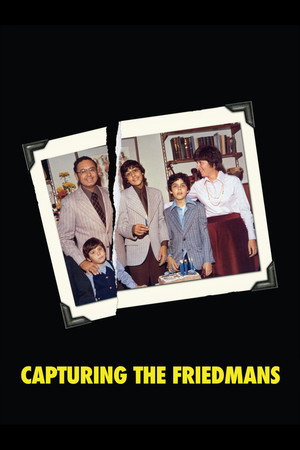
An Oscar nominated documentary about a middle-class American family who is torn apart when the father Arnold and son Jesse are accused of sexually abusing numerous children. Director Jarecki interviews people from different sides of this tragic story and raises the question of whether they were rightfully tried when they claim they were innocent and there was never any evidence against them.
In the late ‘70s, in the midst of the military dictatorship, a surrealist literary work- shop is the oasis of Martín, a tormented young man who seeks to improve his poetry. Caron, a brilliant and eccentric writer, adopts him as a son. Their bond is recorded in short home movies and an unusual correspondence.
Hora Por Año
"The Boy Of The Fish" follows Noon, a young boy living in a Syrian refugee camp, who finds solace and a sense of freedom in a whale-shaped doll he names "Bahr." Set against the challenging realities of camp life, Noon’s journey is both a story of resilience and a testament to the boundless imagination of childhood. Through vivid symbolism and a unique soundscape, the film explores themes of loss, hope, and the longing for freedom amidst confinement. Shot entirely on an iPhone due to restrictions in the conflict zone, the film combines raw authenticity with poetic depth to capture the emotional landscape of a young soul navigating adversity.
In Uganda, AIDS-infected mothers have begun writing what they call Memory Books for their children. Aware of the illness, it is a way for the family to come to terms with the inevitable death that it faces. Hopelessness and desperation are confronted through the collaborative effort of remembering and recording, a process that inspires unexpected strength and even solace in the face of death.
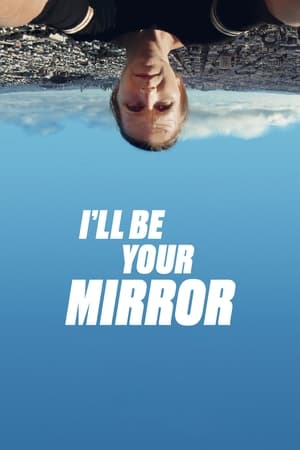
Christine’s father died when she was still a small child, and she remained in the care of her sadistic mother, who beat her and abused her psychologically. Christine is still convinced that her mother hid a farewell letter from her beloved father. Jean’s father committed suicide several years ago, and left behind a lengthy letter, but Jean never found the courage to read it. Together, Christine and Jean embark on a unique road trip across the French countryside to visit Christine’s mother, and try to confront the past.
BATE CABELO! unveils the story of an artistic creation that became a living symbol of memory, embodiment, and resistance.
A retired truck driver reflects on a life spent on the road while his children explore the emotional toll of his absence, honouring the unsung heroes who keep the world moving.