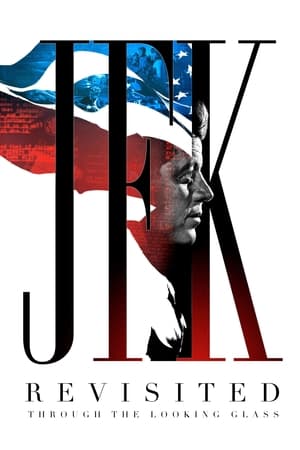
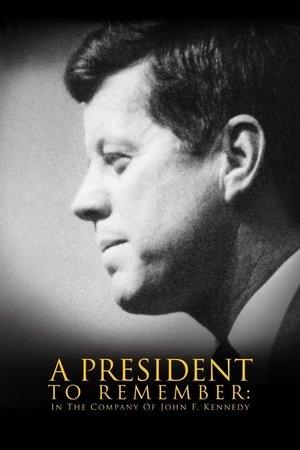
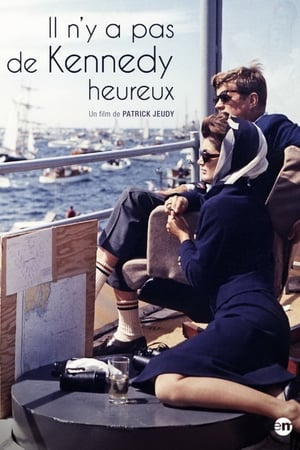
The extraordinary untold story of Jacques Lowe, a young immigrant who, at just 28, became the personal photographer to President John F. Kennedy. Experience the untold stories behind the images that shaped Camelot.
Dir. Scott Calonico's film purports to solve the assassination of President Kennedy, pointing the finger at President Gerald Ford...as well as bigfoot, Stonehenge, pyramids, and extraterrestrials.
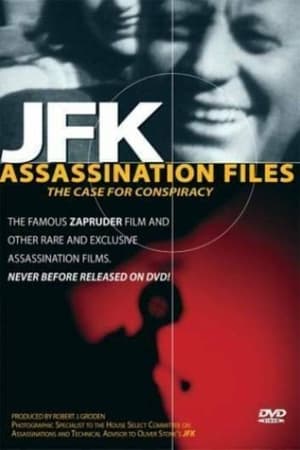
On Nov. 22, 1963 the world was shocked by the assassination of John F. Kennedy. The mystery surrounding this history-changing event has led to many unanswered questions.
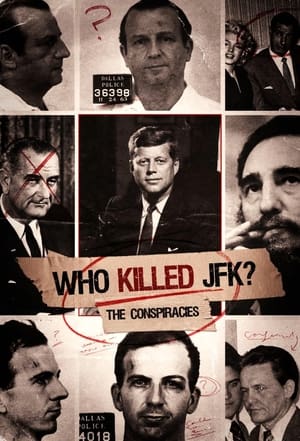
An investigative biography originally broadcast in 1993 for BBC Timewatch about the man at the center of the political crime of the 20th century. At the heart of the assassination lies the puzzle of Lee Harvey Oswald: Was he an emotionally disturbed lone gunman? Was he part of a broader conspiracy? Or was he an unwitting fall guy, the patsy, as Oswald himself claimed? This was subsequently broadcast on PBS in America as Who Was Lee Harvey Oswald?
The film is an unnarrated collection of archived news and home movie footage shot as events unfolded, some of it rarely seen. Part one deals with the time from President Kennedy's arrival in Dallas on November 22, 1963 through the murder of Lee Harvey Oswald less than 48 hours later. Part two deals with the Warren Commission, its critics and those who suspect a conspiracy, the assassinations of Martin Luther King, Jr. and Robert F. Kennedy in 1968 and the turmoil that followed, and the continuing doubt about the assassinations and the effects this has had on American society.
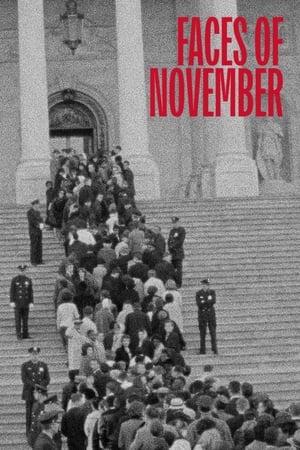
Robert Drew shows the sights and sounds from the funeral of President John F. Kennedy in November, 1963. Preserved by the Academy Film Archive in 2002.
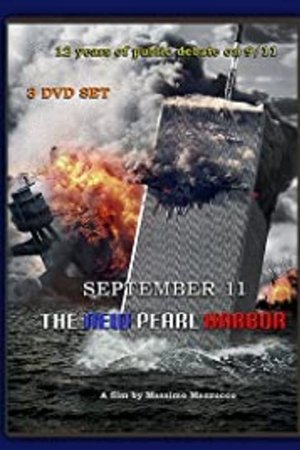
"September 11: The New Pearl Harbor" is a 5-hour documentary that summarizes 12 years of public debate on 9/11. While aimed primarily at a general, uninformed audience, the film also contains some new findings that may be of interest to advanced researchers.
During a two-day period before and after the University of Alabama integration crisis, the film uses five camera crews to follow President John F. Kennedy, attorney general Robert F. Kennedy, Alabama governor George Wallace, deputy attorney general Nicholas Katzenbach and the students Vivian Malone and James Hood. As Wallace has promised to personally block the two black students from enrolling in the university, the JFK administration discusses the best way to react to it, without rousing the crowd or making Wallace a martyr for the segregationist cause. Preserved by the Academy Film Archive in partnership with The Film Foundation in 1999.
The Vietnam War during the JFK years and beyond. Made in 1972 in the filmmaker's apartment, without documentary footage of the war, metaphors are created through the animation of images and objects, and through guerrilla skits. By rejecting the authority of traditional documentary footage, the anarchist spirit of individual responsibility is established. This is history from one person's point of view, rather than a definitive proclamation.
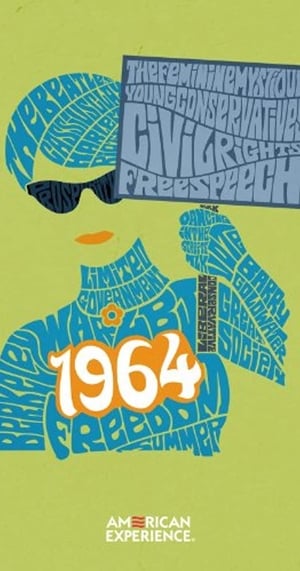
1964 was the year the Beatles came to America, Cassius Clay became Muhammad Ali, and three civil rights workers were murdered in Mississippi. It was the year when Berkeley students rose up in protest, African Americans fought back against injustice in Harlem, and Barry Goldwater’s conservative revolution took over the Republican Party. In myriad ways, 1964 was the year when Americans faced choices: between the liberalism of Lyndon Johnson or Barry Goldwater’s grassroots conservatism, between support for the civil rights movement or opposition to it, between an embrace of the emerging counterculture or a defense of traditional values.
1964 American documentary film about the assassination of John F. Kennedy.
As with the plot to frame Lee Harvey Oswald, the verdict on Robert Kennedy's murder was decided even before the case went to court. A lone, deranged assassin has always been the best way to explain away, and distract attention from, much more intricate conspiracies. This landmark documentary summarizes the best evidence that has ever emerged, contradicting the official story of Robert Kennedy's assassination. While sold by the corporate media as an open and shut case against "Palestinian radical" Sirhan Sirhan, this riveting film presents meticulously researched evidence, by several independent investigators, exposing outrageous procedure violations, blatant forgeries, and unexplained dismissals on the part of the authorities, revealing a world-class cover-up.
This spellbinding documentary re-examines the issues raised by Oliver Stone's JFK, and explores the late Jim Garrison's contention that there was a "second conspiracy" to cover up the truth, including attempts to ruin his own reputation.
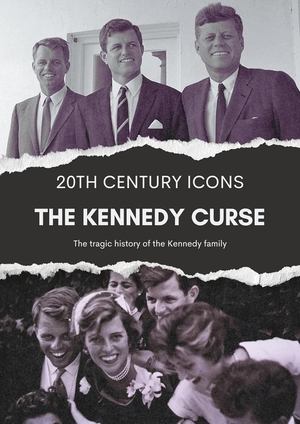
The story of a powerful political and economic dynasty, fundamental to understanding the turbulent destiny of the United States of America throughout the 20th century; of nine brothers who had truly extraordinary lives, marked by both greatness and tragedy: the story of the Kennedy family.
The real reasons and orchestrators behind Hitler, to an incredible theory of the JFK assassination, all the way to 9/11 and the current age of the terrorist. Taken from an historical perspective starting around World War 1 leading to present day.
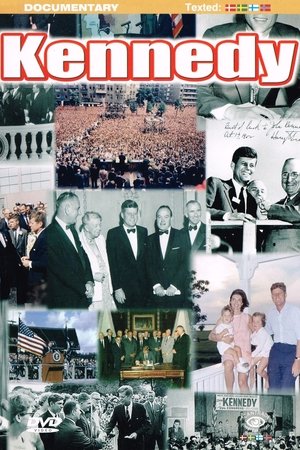
Bringing to life an American President who was widely respected by his countrymen and celebrated around the world. Composed from four break through films by Robert Drew, each an unprecedented record in candid photography of a phase of John F. Kennedy’s political life. Kennedy is seen in close up from young Senator campaigning for the Presidency, to an ebullient new President moving into the White House, to a burdened President trying to solve grave problems in the Oval Office. The shock of his death is seen through the faces of his compatriots. Now these four films are edited together with other footage of the time. This film is an intimate history of how one American President struggled to bring wisdom and honor to the office of the Presidency.
A behind-the-scenes look at November 22, 1963 from the unique perspective of Lyndon Johnson. On his pivotal first day as President, Lyndon Johnson is put to the test as he contends with the jarring transfer of political power and the daunting challenge of securing the trust of a devastated nation. From new details about when JFK really died, to the truth behind LBJ's Oath of Office photo on Air Force One, this special uncovers an unfamiliar story born out of one of the most crucial days in American history
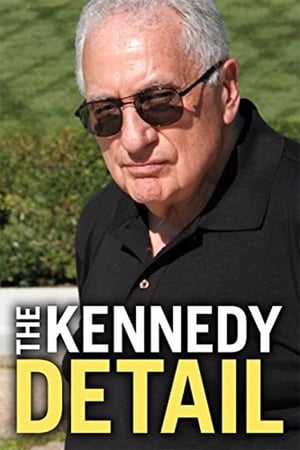
A documentary about the life of former U.S. Secret Service agent, Clint Hill, who served under five United States presidents from Eisenhower to Ford and is known for his act of bravery on November 22, 1963 — shielding Jacqueline Kennedy and the stricken president with his body as the car raced from Dealey Plaza to Parkland Memorial Hospital.
An investigation into the story of a man who confessed to firing the fatal shot that killed JFK from the Grassy Knoll in Dealey Plaza, Dallas, Texas, on November 22, 1963. His story becomes one more compelling piece of evidence for what most Americans have long suspected: that their government covered up critical facts about the CIA's collaboration with Organized Crime to assassinate the President of the United States.
The death of John Kennedy is viewed through another angle in this conspiracy-themed film defending the theory that George Herbert Walker Bush was a key player in all aspects of the assassination of American president John F. Kennedy.