Documentary by the music label Defected and its brand Glitterbox about electronic music, its beginning in New York and its importance for minorities all around the world.
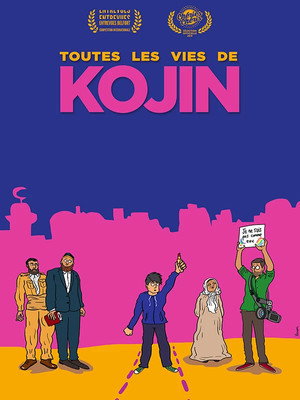
In a first-person documentary, Diako Yazdani, a political refugee in France, returns to see his family in Iraqi Kurdistan and introduces them to a 23-year-old gay man from Kojin who seeks to exist in a society where he seems unable to find its place. With humor and poetry, the director delivers a moving portrait where the meetings of each other invite to a universal reflection on the difference.
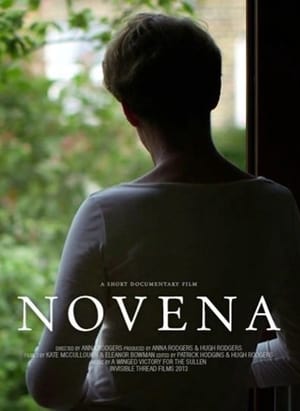
In 2012, Stephen Vaughan and Kay Ferreter are invited to address the congregation at St. Joseph's Redemptorists Church in Dundalk, Ireland for the Solemn Novena Festival. In a powerful speech, the pair describe their experiences being gay and lesbian in Ireland, feeling excluded by Catholic doctrine, and the importance of a more inclusive church.
Two queer Brazilians go skinny dipping in a lake where they talk about love, sex, colonialism and migration, on a pandemic summer afternoon in Berlin.
This extraordinary film explores the twilight world of India's eunuchs who both exploit and bewail their ill-defined status within society. The eunuchs introduce a special world, where for them divinity and daily life alternate in the flash of an exquisitely made-up eye. A 3,600-strong ancient sect who claim to be descended from the gods live in relative luxury. Other Indian men explain why they too underwent painful castration.
Between the end of the Second World War and the abolition of the "offence of homosexuality" in 1982, 10,000 sentences were handed down in France. Sentences in correctional courts, fines and sometimes imprisonment, the convictions were mainly against men. The last witnesses of this period speak out and tell of four decades of clandestine life, just before the tragedy of AIDS.
The film explores the taboo subject of homosexuality within the Roma community through the personal story of a Roma activist who happens to be gay. Though his job has earned him respect among his peers, by coming out his status is in jeopardy. However, the desire to share his complex story prompted him to write a screenplay based on his life. Partly a documentary about his autobiographical script, the film switches between documentary and narrative storytelling. Owing to its distinctive style, the film offers a glimpse into the protagonist's world as he faces triple discrimination: as a Roma, as a gay man, and as a gay man in the Roma community.
The Sisters of Perpetual Indulgence are an order of gay male 'nuns', founded in San Francisco in the late 1970s with a goal to "expiate all stigmatic guilt and promulgate universal joy". There are now thousands of nuns all over the world including 30 in Britain, some of whom we meet in Tom Stephan's short documentary, which follows the Sisters' work as active campaigners in the LGBT community.
It is normal for 15-year-old Linn to have two mothers. But when she finds out that there are still numerous siblings, she realizes that she is part of an extraordinary extended family. Her father Eike not only had an appointment with Linn's mothers to donate sperm, Petra and Anny also have three children with him. A film crew followed this rainbow family for twelve years.
From his childhood in a modest family in the Pyrénées to his unexpected career as a porn actor in the 1970s, the film traces the life of Claude Loir, who set out to fully embrace life. His homosexuality and curiosity guide him through encounters that lead into the shadowy, liberated circles of a pre-AIDS era, caught between conservatism and sexual freedom. Loves and lovers, flamboyance and fragility… the film offers a striking portrait of a fearless, hedonistic man navigating desire, identity, and society’s constraints.
The high society court case that scandalised the mores of the day, electrified the nation and changed the course of British history.
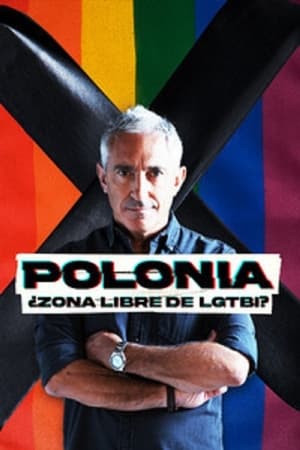
Jon Sistiaga takes an immersive trip to Poland, a country divided into two zones: on the one hand, the urban and pro-European, and on the other, the rural and ultra-Catholic, still anchored in the traumas of the war and the post-war period. Is Poland a homophobic country or does it have a homophobic government? How does the European Union allow this situation?
Based on their book, “Why Knock Rock?”, and their church lectures, Dan and Steve Peters examines how rock music's obsession with sex, drugs and suicide is dangerous to young people. Since the dawn of Rock and Roll, there has been ministers howling about its evil affects. Ministers would tour the country's churches and college campuses with sermons and slide shows illustrating the Devil's influence on the rock music. In this film we certainly see that rock stars aren't the best role models for kids and teens, but the Peters brothers often miss the musician's point – especially with some of the lyrics. Dan and Steve do however seem to take a delight in presenting some of the 1980s more perverse album covers to young people.
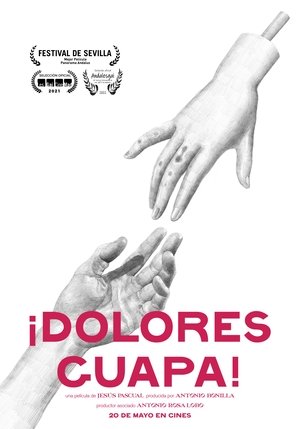
Religious-based images and traditions permeate the lives of all the people who inhabit Seville. Historically, the city's mariquitas ("sissies") have also assimilated them in their childhood and, through them, have been creating their own encounter spaces and their own codes. Nowadays, new dissident identities continue to respond to them: they participate or distance themselves, they continue what exists or transform it. This film looks at these traditions from a perspective always relegated to the margins.
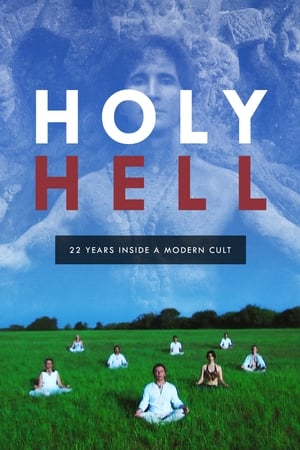
An inside look at a West Hollywood cult formed by a charismatic teacher in the 1980s that eventually imploded.
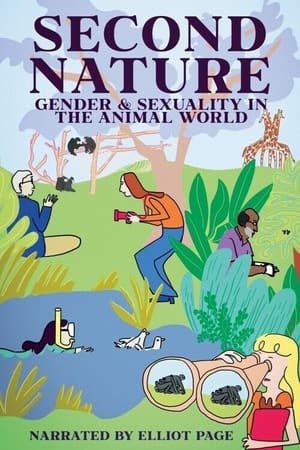
From homosexual penguins and sex-transitioning fish to pregnant male seahorses and sexually dominant female bonobos, thousands of species defy our expectations of gender and sexuality. Director Drew Denny takes the nature documentary to a whole new level in this eye-opening and entertaining expedition to the places David Attenborough overlooks, where giant duck penises and corkscrew vaginas take center stage. Debunking myths that females are “inferior” and being queer is somehow “unnatural,” Second Nature explores the 1500+ animal species that engage in same-sex sexual behavior and parenting, change sex, form matriarchies, and more.
After being estranged from his family, we observe a young man over four seasons and from far away as he navigates his solitude – all the while attempting to reconnect with his mother.
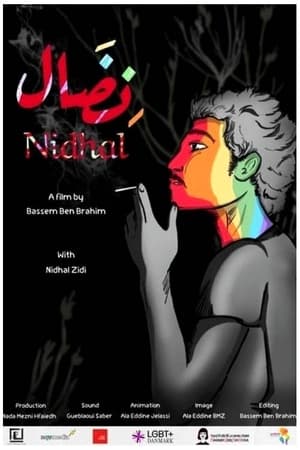
Between reality and animation, the story of Nidhal is told, a young homosexual Tunisian who defended individual freedoms in Tunisia through his work in radio. He found himself under a lot of pressure which forced him to leave the country and seek asylum in the Netherlands.
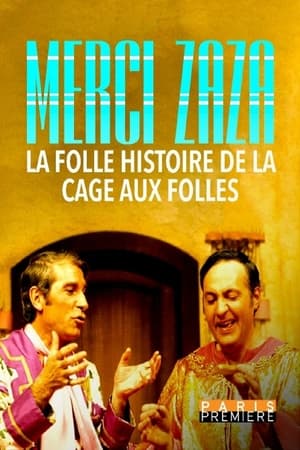
A look back at "La Cage aux Folles", which ran non-stop for five years, from February 1973, on the stage of the Théâtre du Palais Royal in Paris. At a time when homosexuality was considered a crime by the law, Poiret and Serrault achieved great success in boulevard theater. Their success continued on the silver screen, with three Oscar nominations and a Broadway musical. Combining never-before-seen archives from the play, extracts from the film, confessions by Poiret and Serrault, and interviews with witnesses, this is the story of a wild epic.
Through letters, diaries and personal testimonies, an account of the complexity and variety of experiences of LGBT Italians during the Fascist dictatorship of Benito Mussolini (1922-43); intimate words that contrast with the lyrics of popular songs and the propaganda of the time, obsessed with extolling the myths of virility, femininity and motherhood and constrained by sexual repression.