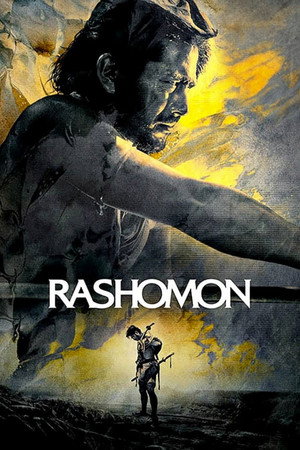
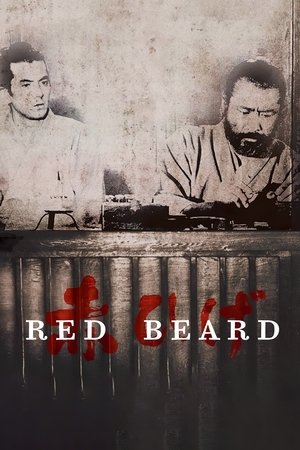
Four people recount different versions of the story of a man's murder and the rape of his wife.
The mysterious story behind the Skull Coins, which are said to reveal the location of treasure, and the battle for them will make your heart beat faster.
The Color Print of Edo is a 1939 black and white Japanese silent film with benshi accompaniment directed by Kazuo Mori. It is a cheerful period drama, sprinkled with comical scenes and tells the story of a loyal and handsome Edo period servant who fights to help his older brother marry the woman he loves. The star of this film, Utaemon Ichikawa, gained enormous popularity for his portrayal of a cheerful and chivalrous man.
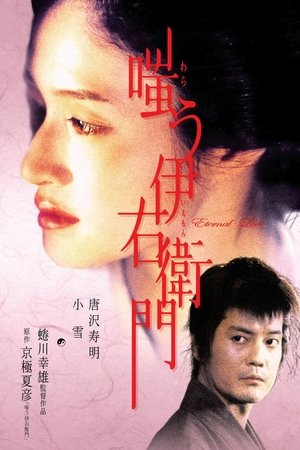
Naosuke, a servant of Okajima Yasoemon, devoted himself to his master. One day, his master Okajima Yasoemon, lost his face in front of people. It was a revenge by Oono, a karo (minister) who lost his chance to earn money by selling a fake antique to the lord. Okajima told the lord it was fake. Okajima endured Oono's humiliation. But, his servant Naosuke, could not. But what could he do? Oono is superior of his master. Naosuke would not hesitate to lay down his life for his master. But killing Oono would ruin his master. He wanted to clear his master's disgrace. What to do?
A nameless ronin, or samurai with no master, enters a small village in feudal Japan where two rival businessmen are struggling for control of the local gambling trade. Taking the name Sanjuro Kuwabatake, the ronin convinces both silk merchant Tazaemon and sake merchant Tokuemon to hire him as a personal bodyguard, then artfully sets in motion a full-scale gang war between the two ambitious and unscrupulous men.
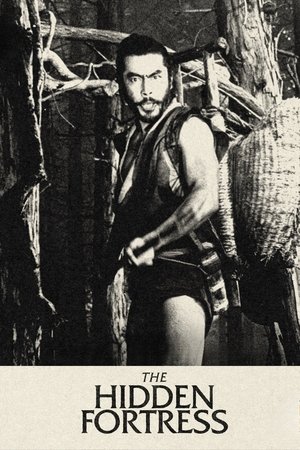
Akira Kurosawa's lauded feudal epic presents the tale of a petty thief who is recruited to impersonate Shingen, an aging warlord, in order to avoid attacks by competing clans. When Shingen dies, his generals reluctantly agree to have the impostor take over as the powerful ruler. He soon begins to appreciate life as Shingen, but his commitment to the role is tested when he must lead his troops into battle against the forces of a rival warlord.
The background to and depiction of a watershed battle in Japanese history, at Sekigahara in 1600, when Tokugawa Ieyasu's Army of the East defeated the Army of the West of Ishida Mitsunari. The story includes the intrigues and shifting loyalties of the various retainers, family members, and samurai.
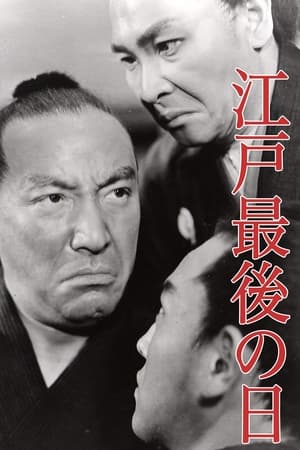
It is a historical drama that follows Katsu Kaishu's efforts to surrender Edo Castle bloodlessly in the first year of the Meiji period.
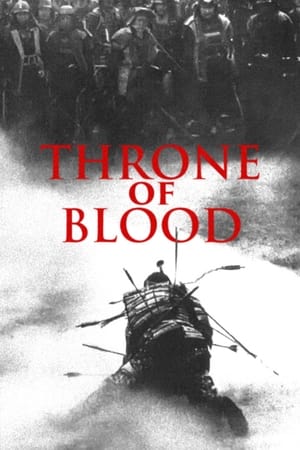
Shakespeare's King Lear is reimagined as a singular historical epic set in sixteenth-century Japan where an aging warlord divides his kingdom between his three sons.
Toshiro Mifune swaggers and snarls to brilliant comic effect in Kurosawa's tightly paced, beautifully composed "Sanjuro." In this companion piece and sequel to "Yojimbo," jaded samurai Sanjuro helps an idealistic group of young warriors weed out their clan's evil influences, and in the process turns their image of a proper samurai on its ear.
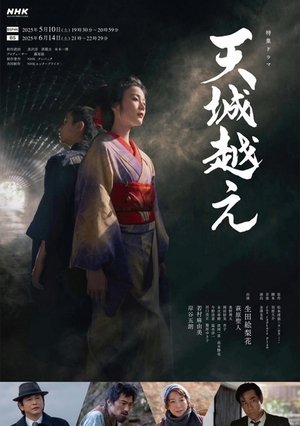
Amagi Goe, based on Seicho Matsumoto's novel, has created numerous stars through its visualizations. Erika Ikuta will take on the difficult role of the main character in this adaptation.
Japan, 1785. Jūzaburō, a famous thief who refuses to kill innocent people, is betrayed, ambushed, and left for dead.
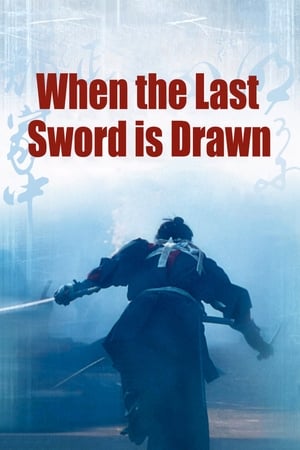
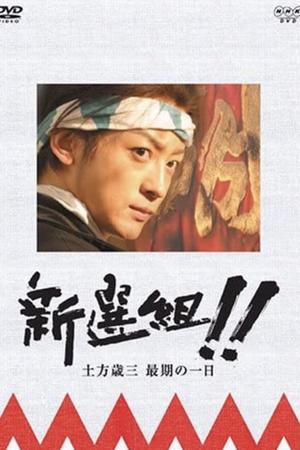
Follows the final days of the shogunate and Shinsengumi's Vice-Comander Hijikata Toshizo along with his fellow anti-imperialist group.
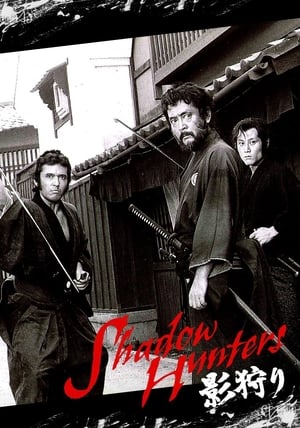
The government in Edo era is suffering from a financial crisis. It hires "Kage" to provoke the collapse of small hans (prefectures). "Kagekari" are people who were hired by Daimyos (mayors of local governments) to resist kage. The young mayor of Suwa Takashiwa, Tadamaru was assaulted by a kage on his way to Edo. Zyubei and Gennnosuke, the Kagekaris, try to carry injured Tadamaru to Edo.
When master swordsman Mikogami Genshiro of the Ono fencing school returns to find that his ailing sensei has been murdered in the dead of night, he must find the culprit and exact revenge. His return sets off a series of violent incidents and incites a high ranked female skilled in sword to test his mettle after he unwittingly offends her. The ever delightful Misora Hibari co-stars with the great Tsuruta Koji in this exciting tale set in the earliest days of the Tokugawa shogunate. Lots of exciting swordfights highlight this entertaining motion picture!
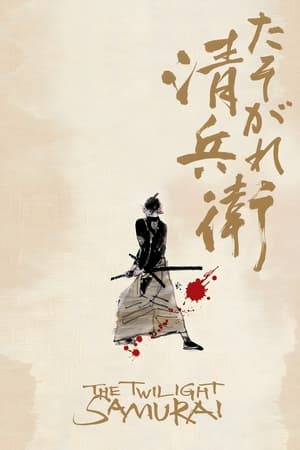
Seibei Iguchi leads a difficult life as a low ranking samurai at the turn of the nineteenth century. A widower with a meager income, Seibei struggles to take care of his two daughters and senile mother. New prospects seem to open up when the beautiful Tomoe, a childhood friend, comes back into he and his daughters' life, but as the Japanese feudal system unravels, Seibei is still bound by the code of honor of the samurai and by his own sense of social precedence. How can he find a way to do what is best for those he loves?
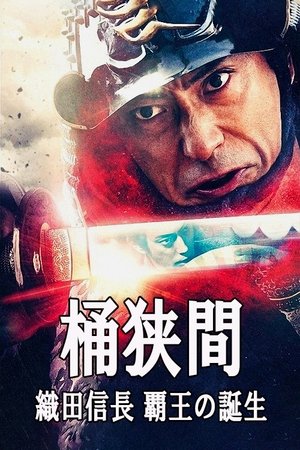
Drama set in the historical Warring States Era of Japan. Tokaido name Imagawa Yoshimoto personally led his army to invade Owari Province territory, now in Aichi Prefecture Nagoya City area, was the leader Nobunaga of this surprising burst of death. After the war, the Imagawa clan who originally dominated the Tokaido region fell away, and the victorious Oda Nobunaga quickly expanded his power in Central Japan and the Kinki region, laying the foundation for his future control of the central government of Japan.
Wishing to find peace, Zatoichi travels to his old village but only finds trouble when he ends up in a love triangle and finds old scores have followed him home.
After arriving in the town of Shimonita, Ichi finds that a price has been put on his head by a local yakuza boss. He's drawn into a trap, but after hearing of the slaying of a former love, Ichi furiously fights his way through the entire clan to face the killer, a hired ronin.
In this film, Hibari plays a dual role as brother and sister. The story involves a journey to Hanagasa for an incognito Lord (Kotaro Satomi) to overthrow an attempted usurpation of his domain, while being harassed by vassals of the usurper (Kensaku Hara). There's also a mysterious ronin played by Jushiro Konoe. The songs are seamlessly woven into the narrative and don't overwhelm the action. While the plot is derivative it is good example of its type and quite enjoyable. Note that there are some flashback sequences in black and white.