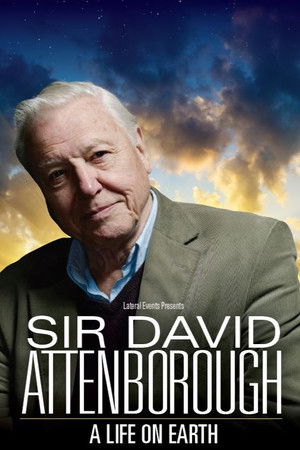
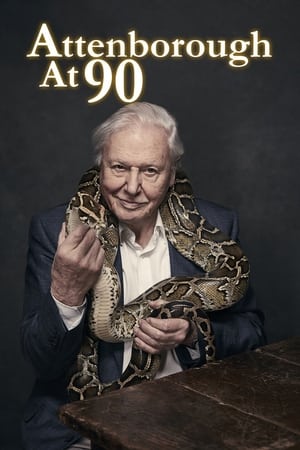
The incredible journey and illustrious career of one of the most travelled men in history, this documentary tells the story of how Sir David Attenborough came to be the voice of modern natural history programs by bringing the natural world into our homes.
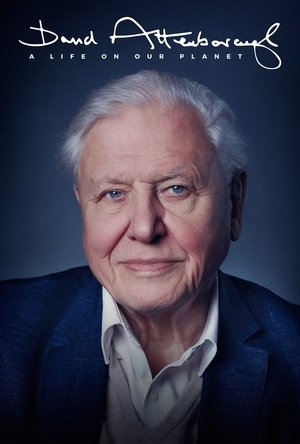
The story of life on our planet by the man who has seen more of the natural world than any other. In more than 90 years, Attenborough has visited every continent on the globe, exploring the wild places of our planet and documenting the living world in all its variety and wonder. Addressing the biggest challenges facing life on our planet, the film offers a powerful message of hope for future generations.
In celebration of his ninetieth birthday, Sir David Attenborough shares extraordinary highlights of his life and career with broadcaster Kirsty Young, including the inspiring people he has met, the extraordinary journeys he has made and the remarkable animal encounters he has had across the globe. Joined by colleagues and friends, including Michael Palin and Chris Packham, Sir David shares some of the unforgettable moments from his unparalleled career, from capturing unique animal behaviour for the first time to the fast-paced advances in wildlife filming technology, as well as stories of the wonder and fragility of the natural world - stories that Sir David has spent his life exploring and championing.
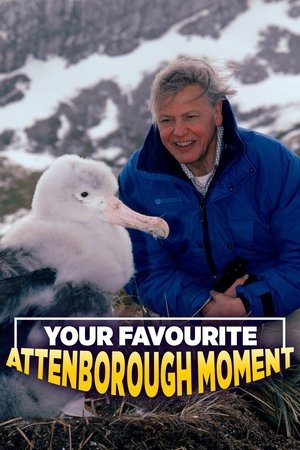
Celebrity admirers of Attenborough's work (including Joanna Lumley, Björk and several presenters and producers from the BBC Natural History Unit) introduced a shortlist of twenty highlights from Attenborough's nature documentaries and advocated their particular favourites.
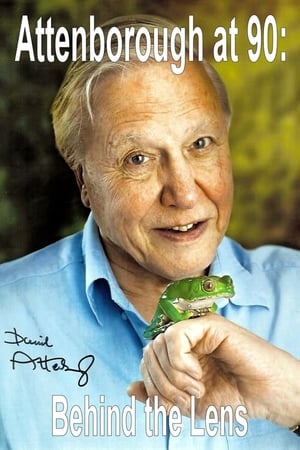
As Sir David Attenborough turns 90, this intimate film presents new interviews, eye-opening behind-the-scenes footage and extraordinary clips from some of his most recent films. The doc, which was made for the occasion of Attenborough’s 90th birthday, was shot over seven years and follows him as he travels to Borneo, Morocco and the Galapagos to shoot wildlife specials. Anthony Geffen, the CEO of Atlantic Productions, commented, “This is such a special Attenborough film because unusually he is the subject. As I look back over the last seven years, I never fail to be amazed by his extraordinary ambition and drive to use the very latest technology to communicate the natural world to audiences around the globe. This film gives audiences the chance to see what it’s like to be on the road with David.”
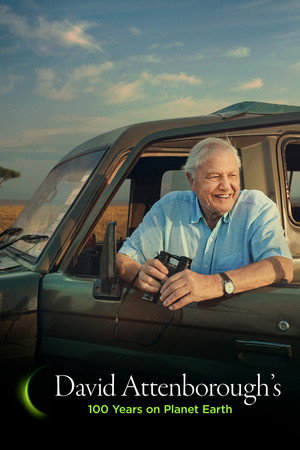
In honor of his 95th birthday, a look at Sir David Attenborough’s life and contributions to broadcasting and the natural world. Presented by BBC.
Sir David Attenborough is larger than life, his distinctive voice as recognisable as his name. In this program, renowned Australian journalist Ray Martin turns the cameras away from the beloved wildlife Sir David has spent his life documenting and onto the man himself. The show is an edited interview culled from a series of sold-out events held in theatres across Australia in 2012 and 2013.
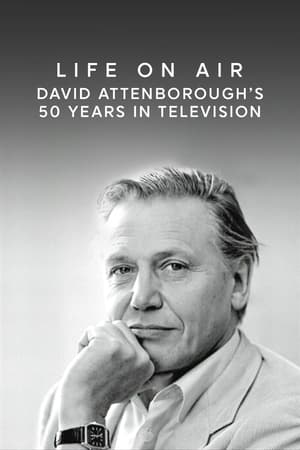
Life on Air: David Attenborough's 50 Years in Television is a BBC documentary film that recounts David Attenborough's television career. It is presented by Michael Palin and produced by Brian Leith. The BBC first transmitted the documentary in 2002 and is part of the Attenborough in Paradise and Other Personal Voyages collection of 7 documentaries. It includes interviews with Attenborough and several of his former colleagues, along with archival footage.
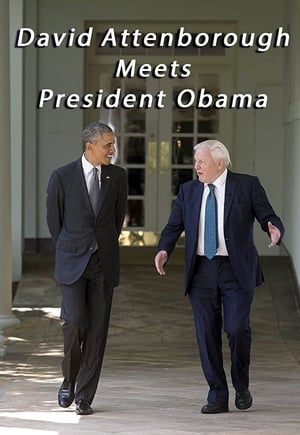
On his 89th birthday, renowned English broadcaster and naturalist Sir David Attenborough pays his first ever visit to the White House to be interviewed by one of his biggest fans, United States President Barack Obama.
Sir David Attenborough recalls moments from his early television career and discusses the stories behind them. Among the highlights are Sir David's first encounter with Born Free's Elsa the lioness, and being the first to film Indri lemurs using recordings of their calls to entice them out of hiding. Having recently completed the landmark natural history series Africa (2012), Sir David also talks about his very first trip to the continent in 1955 when filming 'Zoo Quest to West Africa'.
Counting down the top 20 moments from David Attenborough's many series, according to audience votes. Featuring the clips and comments from selected talent and, of course, words from Sir David himself.
Award-winning musician Björk and legendary broadcaster and naturalist Sir David Attenborough have admired each other's work for years but this is the first time they have discussed their mutual love of music and the natural world on screen. In this remarkable documentary, Björk explores our unique relationship with music and discovers how technology might transform the way we engage with it in the future.
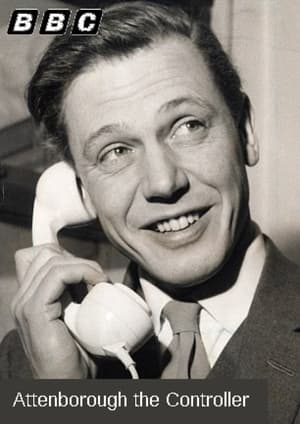
A completely fantastic programme, charting the time of our favorite presenter at the head of the then struggling and controversial BBC2. Packed chock full of interviews, clips and reminiscences both old and new, including the very tasty Joan Bakewell of the 60s. Sir David Attenborough's reign as controller of BBC TWO, from 1965 to 1973, is still thought of as the golden age of television. He was responsible for a number of programme strands that were, and many argue still remain, the high point of public service broadcasting. Match of the Day and Pot Black sat alongside comedy such as The Likely Lads and Not Only But Also. Horizon, Man Alive, One Pair of Eyes, Masterclass, The Forsyte Saga and The Money Programme set the standard for years to come. Sir Attenborough also commissioned series on a grand scale: Kenneth Clark's Civilisation and Jacob Bronowski's Ascent of Man remain two of the great creations of television.
This Traveltalk series short visit to New Zealand starts in Auckland, a bustling, modern city. Next is Christchurch, home of Canterbury University, where rowing teams participate in a regatta. Nearby is Lake Wakatipu, which inspires artists to put their impressions on canvas. We then visit Rotorua, a city famous for its geysers, hot springs, bubbling mud pools, and other geothermal activity. At Ferry Springs there is lots of trout for fishing. Later, a group of natives performs a canoe dance.
The Andes Mountains travel the western side of South America. Unlike many other mountain ranges of their altitude, the Andes do support human life on their high altitude slopes. Modern life is slowly making its way to the high altitude Andes, but the natives for the most part continue with the traditional ways of their ancestors, growing limited crops such as beans and potatoes - where the crop originated - raising sheep and pigs, and living in crude huts. The llama is the most useful of their work animals. The most conspicuous aspect of the native dress is their derby hats, the origins which are unknown. Further down the slopes, agriculture and ranching is more productive and is carried out by descendants of the Spanish settlers. There is a famous lake district in the Chilean part of the Andes, where resort hotels are located.
The captivating tales of the people and events behind one of humanity's greatest achievements in exploration: NASA's Voyager mission.
A short film following the release of journalist and activist Barrett Brown from prison, and his drive across Texas to a halfway house. 'Relatively Free' is an examination of Brown's return to a very different world, post the election.
September 2016: Stacey Dooley embeds herself on the frontline with the extraordinary all-female Yazidi battalion, who are fuelled to take revenge against the so-called Islamic State. As the battle to take Mosul from ISIS advances in Northern Iraq, in this extraordinary film for BBC Three, Stacey finds these young women's lives have been transformed by a desire to avenge their loved ones who were murdered by Isis.
22-year-old Kei refuses to conform to the Japanese achievement-oriented society. He is homeless by choice, living on the streets and under the bridges of Kyoto. His love for nature and music keeps him afloat in his dream world. However, when he runs out of money, he is forced to face reality.
A flickering dance of intriguing imagery brings to light the possibilities of ordinary movements from the everyday which appear, evolve and freeze before your eyes. Made entirely from archive photographs and footage from the earliest days of moving image, All This Can Happen (2012) follows the footsteps of the protagonist from the short story 'The Walk' by Robert Walser. Juxtapositions, different speeds and split frame techniques convey the walker's state of mind as he encounters a world of hilarity, despair and ceaseless variety.