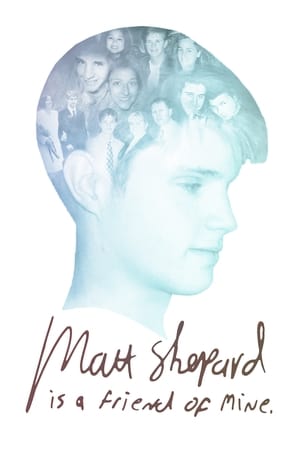
An intimate portrait of Matthew Shepard, the gay young man murdered in one of the most notorious hate crimes in U.S. history. Framed through a personal lens, it's the story of loss, love, and courage in the face of unspeakable tragedy.
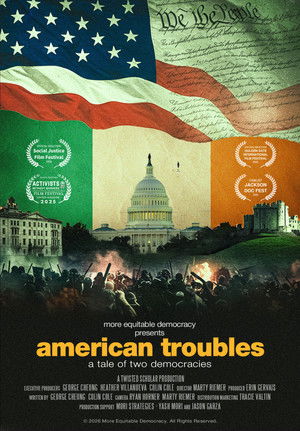
America's democracy feels more divided than ever - but what if the problem lies in how we vote? "American Troubles" explores whether proportional representation could break the cycle of dysfunction, drawing comparisons from two striking case studies: Portland, Oregon, where a bold new voting system is reshaping local politics, and Northern Ireland, where proportional elections helped end decades of violent conflict. Blending history, reform, and human stories, the film shows how electoral rules can entrench division - or create space for compromise.
Lohnunternehmen: 5 Länder - 5 Geschichten
The women of Belfast played a unique role in holding together their families and communities during the Troubles in Northern Ireland. Filmed during the fragile 17-month paramilitary cease-fire, Daughters of the Troubles: Belfast Stories looks at the challenges facing women trying to put their direct experience of grassroots problems on the agenda of the established political parties. Their strength, first exhibited on the community level, started to reach a wider public.
A special live broadcast on both BBC and UTV, hosted by Eamonn Holmes, celebrating the best of Northern Ireland television over the past 60 years and marking the occasion of digital switchover.
Stanley Kubrick’s short documentary about Father Fred Stadtmueller, a Catholic priest serving a vast 4,000-square-mile parish in rural New Mexico. To reach his scattered congregation, he pilots his own Piper Cub aircraft, the Spirit of St. Joseph. Over two days, Kubrick follows the “flying padre” as he conducts Mass, mediates between quarreling children, attends a funeral, and airlifts a sick child to medical care—capturing both the challenges and quiet heroism of his daily mission.
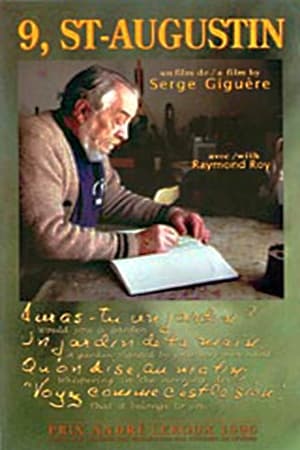
Raymond Roy is a 64-year-old idealist, an energetic social activist ready to give everything he has to those living on the edge: the alienated, impoverished and exploited members of society. Raymond is also a priest, doing what he has wanted to do ever since he was a teenager. Filmmaker Serge Giguère paints an intimate portrait of a man who has spent 30 years fighting for an alternative vision of life in his community. The film is a blend of cinema vérité and social history that provides a view of the man and his work from without and within, from the poetry of his personal diary laced with doubts and self-criticism, to the many achievements of the community groups he helped. Filming over several years, Giguère gives us a sense of the changes in values and attitudes of those who run our society, along with the role of the community groups who provide solutions, inspiration and a sense of renewal.
In his tower-block apartment in New Lodge, Joe reenacts memories from his childhood amidst the “Troubles”. In this Catholic area of Belfast, the number of deaths was tragically significant. Joe is joined by neighbours Jolene, Sean, Angie, and others, all willingly participating in this process of revisiting the collective memories that shaped their lives and the district they live in.
A powerful record of what life —behind the wire— was like for the Catholic community living in the towns of North Ireland during the Troubles.
After 40 years of conflict in Northern Ireland, the Good Friday agreement ushered in a period of relative peace and stability in the northwest corner of Europe. But the unintended consequences of the UK leaving the European Union have threatened to reignite a sectarian fire that many thought had been extinguished long ago. This film takes the audience on a journey to both sides of the Irish Sea to explore the social, political, and economic impact of Brexit on Northern Ireland.
The remarkable true story of the Catholic priest and human rights activist who paid the ultimate price to faithfully inspire the people of Poland to stand against the oppressive Communist rule of the 1980s.
Feature documentary on the 3-days of riots in Derry, Northern Ireland that led to the deployment of British Troops into Derry in August 1969.
Through the prism of the confession box, which has its origins in Ireland, 'Sins of Ireland' is a portrait of an overlooked aspect of Ireland's past and how it impacted many parts of the world. Fifteen Irish priests, known for hearing the confessions of others, outline what the sacrament of confession was supposed to be and, while confessing the sins of the church, what it became.
A unique production, featuring each member of the All-Ireland team, together with former Down footballing legends. Hear the strategies and comments from Manager Pete McGrath, interviews, comments and analysis from former Down stars like Sean O'Neill, Paddy Doherty, James McCartan, Peter Rooney and Liam Austin. Enjoy the revealing interviews from Down's previous All Ireland Winning captains Kevin Mussen - (1960), Paddy Doherty - (1961), Joe Lennon - (1968), Paddy O'Rourke - (1991) as well as current captain DJ. Kane - (1994). A history of Down football to treasure forever. Presented by Kevin Mallon Produced and Directed by Hugh Hardy
This film offers us a juxtaposed journey of two priests: Father Van Ban, a Vietnamese priest from the parish of Thy Hu in the Hé region, who after nine years of training in Paris decides to return to Vietnam, and Bernard de Terves, a young deacon from the Foreign Missions of Paris who decides to leave for China after his ordination. Their intersecting paths allow us to address themes related to East-West intercultural dialogue, particularly that of transmitting the Gospel message.
Boys’ canoe trip on the Thames in London.
Walking along an Bronze Age path in the footsteps of Saint Patrick, pilgrims find community and inner-healing.
Caroline does not remember living in a time of peace; she has been a young child when the "troubles" in Belfast started. During the 25 years during which the war lasted, she got married and raised three children; and only a few weeks before the ceasefire started she was killed. Since the ceasefire, the situation in Northern Ireland has not changed much: the fear to talk is as big as ever before.
"If a person doesn't go to church anymore, then the church should go to them," says Rinalds, a calm, smiling, young man with a good sense of humor. He is a priest from a small village in Latgale, Latvia's easternmost and poorest region, and the documentary Prīsters (The Priest) follows the routines of his daily life, his thoughts of life and religion and why he chose this path for himself.
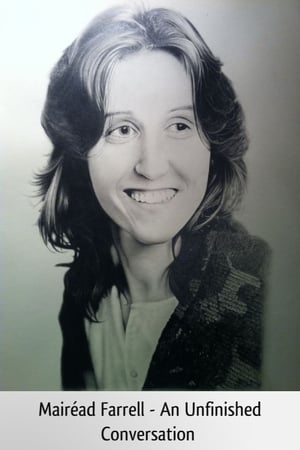
Mairéad Farrell was shot dead by the SAS in Gibraltar in 1988 along with two other unarmed members of the IRA in one of the most controversial incidents arising from the Troubles in Northern Ireland. She had just been released from prison the year before after serving ten years for causing an explosion at an hotel near Belfast. The killing of the three provoked an international outcry and eventual enquiry. Due to her youth, her gender and her stature within the IRA, Mairéad Farrell was, unsurprisingly, quickly subsumed into the pantheon of Irish republican martyrs. But behind the mythologizing and demonisation of the time, there was also a real person, a flesh and blood young woman who was prepared to kill and die for her beliefs.