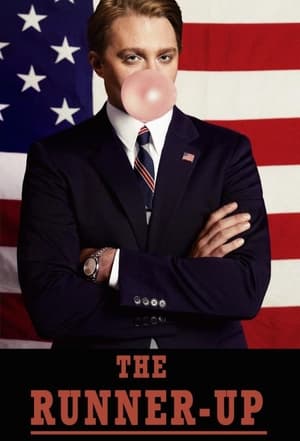
In 1988, renegade filmmaker Robert Altman and Pulitzer Prize–winning Doonesbury cartoonist Garry Trudeau created a presidential candidate, ran him alongside the other hopefuls during the primary season, and presented their media campaign as a cross between a soap opera and TV news. The result was the groundbreaking Tanner ’88, a piercing satire of media-age American politics.
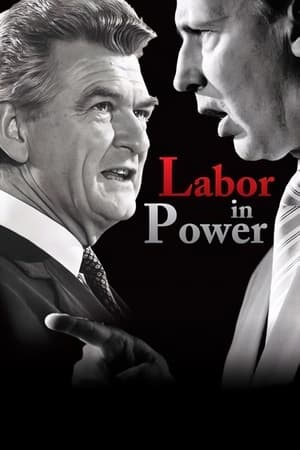
The history of the Labor Party in government in Australia from 1983 to 1993 under Bob Hawke and Paul Keating. The series is told entirely through the eyes of all the major players in government and the bureaucracy, including Bob Hawke and Paul Keating.
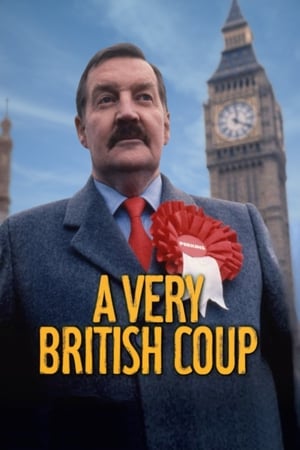
Working-class, left-leaning Harry Perkins is elected PM. As he works to implement social change via democratic process, the conservatives and their allies quietly begin working to remove him. Perkins' goals include nuclear disarmament, the dissolution of newspaper monopolies, open government and the closure of all US military bases on UK soil. While many members of the govnerment oppose him, he finds some support in Home Secretary Joan Cook and key members of his staff.
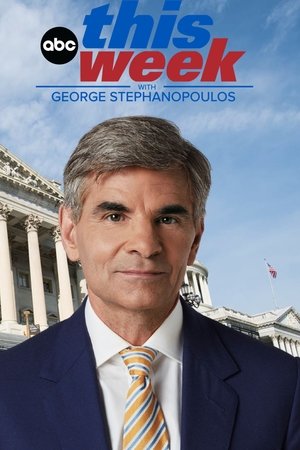
ABC's Sunday morning political affairs program, currently hosted by George Stephanopoulos.
Hungarian documentary series, which presents the history of the country after World War II until the time of the regime.
One family’s fight for survival in a future dystopian Madrid illustrates the disparity between two worlds separated by a fence — and so much more.
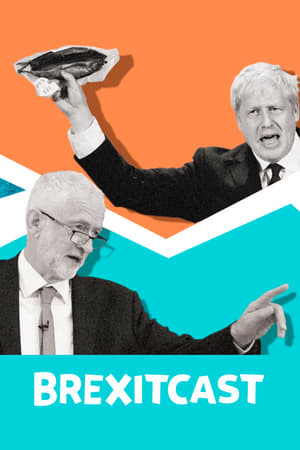
This hit podcast turned TV show features four of the BBC's wittiest political commentators, bringing you the most digestible explanations of Brexit along with Westminster gossip, trivia, running gags, and daft small-talk.
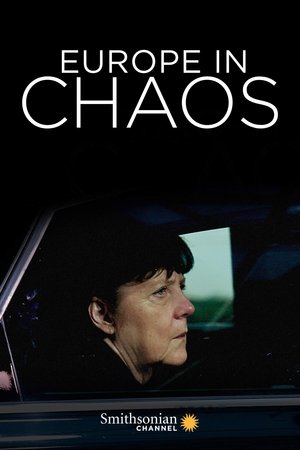
The European Union has been beset by a series of comings and goings over the last few years, each triggering its own brand of crisis. The civil war in Syria created the biggest wave of refugees to hit Europe since World War II, sparking contested debates on how to divvy up tens of thousands of refugees across E.U. countries. Meanwhile, in the U.K., Britain's vote in favor of Brexit added to the turmoil. Go behind the scenes with firsthand accounts of Europe's tumultuous last decade and its impact around the globe.
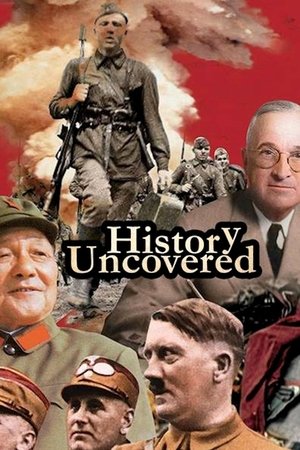
Myths die hard, and the history of the 20th century is no exception to this rule. Even today, we hold popular beliefs that we take for Evangelical truths. Thus, we believe that Hiroshima caused Japan to surrender, that the Marshall Plan saved Europe, that Adolf Hitler was a military genius, or that Mao Zedong was a necessary evil for China’s modernization. Of course, these judgements contain some truth; but, too broad-stroked to be accurate, they contradict the historical reality by denying its complexity. What if the truth was slightly different? Through an exploration of great national or international myths, this full archive documentary collection revisits the key moments of the 20th century with a new perspective in order to provide a new, smarter and more subtle interpretation, bringing elements to light that have been forgotten or sometimes overshadowed.
TV documentary filmmaker Nicholas Fraser investigates the threat of race hatred by talking to French fascists, Italian supporters of Mussolini, neo-Nazis in Germany, and those who deny the existence of the Holocaust.
The story of an unassuming American family drawn into the workings of a turbulent Middle Eastern nation. Bassam "Barry" Al Fayeed, the younger son of the dictator of a war-torn nation, ends a self-imposed 20-year exile to return to his homeland, accompanied by his American wife and children, for his nephew's wedding. Barry’s reluctant homecoming leads to a dramatic clash of cultures as he is thrown back into the familial and national politics of his youth.
After years away from the CIA, Elizabeth McCord is pulled back into the political arena. The newly appointed Secretary of State is tough, fair, and smart, driving international diplomacy, wrangling office politics, and circumventing protocol as she negotiates global and domestic issues, both at the White House and at home.
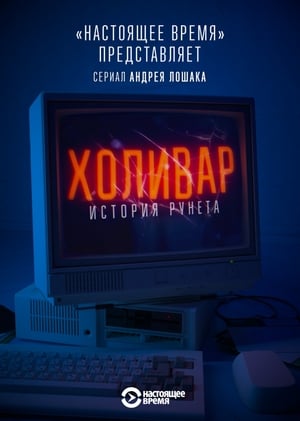
Dashing authors, the first porn sites and the last bastards. How the Russian Internet appeared and how it changed: from complete freedom to the appearance of censorship and the law on isolation.
Jaakko Keso travels through Middle America to find out why the country is so polarized.
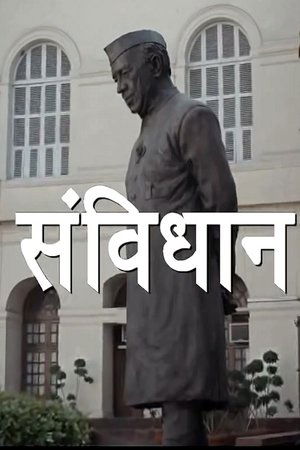
How the constitution of the largest Democratic Republic in the world was created.
El Gran Reseteo
Experts explore ethical dilemmas, promoting constructive dialogue about polarizing issues.
Moncloa: Cuatro estaciones
This classic series follows the events that sparked the greatest conflict of the century, capturing the drama, the excitement and the ideological juxtapositions of these crucial years. Former CBS News correspondent and commentator Eric Sevareid, one of the world's most respected figures in journalism, presents this extraordinary series featuring stunning original newsreels, soundtracks, and rare archival footage.
Nightline, or ABC News Nightline, is a late-night news program that is broadcast by ABC in the United States, and has a franchised formula to other networks and stations elsewhere in the world. Created by Roone Arledge, the program featured Ted Koppel as its main anchor from March 1980 until his retirement from the program in November 2005. Nightline airs weeknights at 12:37 a.m. Eastern Time, after Jimmy Kimmel Live!. It previously ran for 31 minutes, but in 2011, the program was reduced to 25 minutes. When the program moved to 12:37 a.m. ET, the program was expanded to 30 minutes. In 2002, Nightline was ranked 23rd on TV Guide's 50 Greatest TV Shows of All Time.