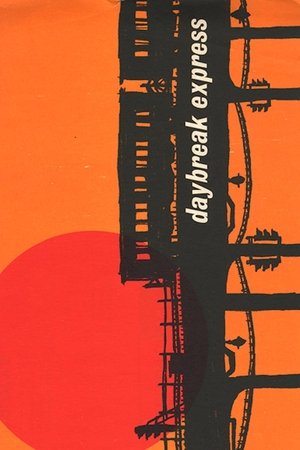
Set to a classic Duke Ellington recording "Daybreak Express", this is a five-minute short of the soon-to-be-demolished Third Avenue elevated subway station in New York City.
The original documentary on the Wigstock festival, back in the day when it was a much smaller affair in Thompkins Square Park. A full day of peace, love, and wigs…
Interviews in a big Parisian hotel with actresses who had their hour of glory. These former movie stars each describe the character who made them famous and tell what they became.
A verlan discussion in a cafe between two young people about a motorbike and girls.
An accurate depiction of the basic tenets of northern Mahayana Buddhism, cast into living or "experiential" form, consistent with powerful mantras heard on the soundtrack of the film. Tarthang Tulku, a Tibetan Lama, was the advisor.
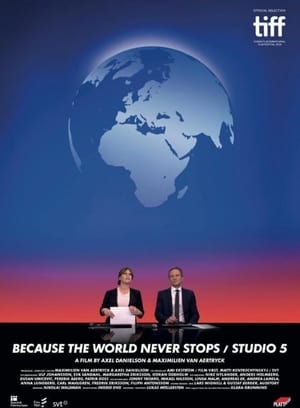
Shot live in the studio during the evening broadcast on Swedish public television, the film shows the news like you've never seen them before.
The first film made by Markopoulos after moving to Europe, Bliss was shot over the course of two days using only available light to create a lyrical study of the interior of the Church of St. John on the island of Hydra.
Cast and crew discuss how a no-budget slasher movie became an international sensation. Produced for the "Friday the 13th" DVD.
In this short film, two starstruck movie fans hire a tour guide and see a plethora of Hollywood stars.
On the surface, this collection of shorts by up-and-coming African American filmmakers arrived at a perfect time. The cutting-edge products of the New Black Cinema of the early '90s had disappeared, giving way to embarrassingly stereotypical, scatological fare such as Booty Call and Next Friday. This feature-packed compilation (which includes production notes, interviews with all of the filmmakers, and audio commentary by four) attempts to prove that African American cinema is intent on moving past the lowbrow humor, as six of the seven shorts steer clear of any comedy.
Resorptive symptoms of intoxication after injection of cocaine in cats. Motor and vegetative arousal stages, tonic-clonic spasms and their spread in the motor system are shown in the individual phases of the poisoning.
This documentary shows the fishing grounds of the far north. It provides an insight into the hard and dangerous work on a fishing trawler ; laying out and hauling in the fishing nets, processing the fish on board and storing it in the cold store.
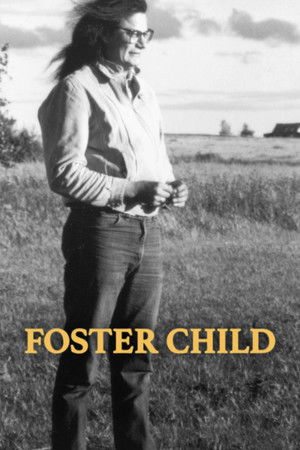
Gil Cardinal searches for his natural family and an understanding of the circumstances that led to his becoming a foster child. An important figure in the history of Canadian Indigenous filmmaking, Gil Cardinal was born to a Métis mother but raised by a non-Indigenous foster family, and with this auto-biographical documentary he charts his efforts to find his biological mother and to understand why he was removed from her. Considered a milestone in documentary cinema, it addressed the country’s internal colonialism in a profoundly personal manner, winning a Special Jury Prize at Banff and multiple international awards.
For one-night-only blood was spilled in the mud.
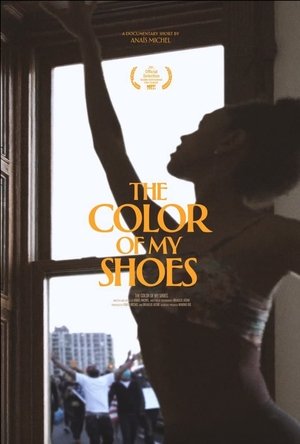
Dance Theater of Harlem's Lindsey Donnell reflects on the obstacles she and other ballet dancers face in ballet and society.
When Gordon Gund went blind in 1970 at age 30 due to retinitis pigmentosa, he resolved to find a cure for the disease and created the Foundation Fighting Blindness. After decades of scientific research, a major breakthrough emerged, and this short film showcases the inspirational story of a 17-year-old Belgian boy who is a beneficiary of this work.
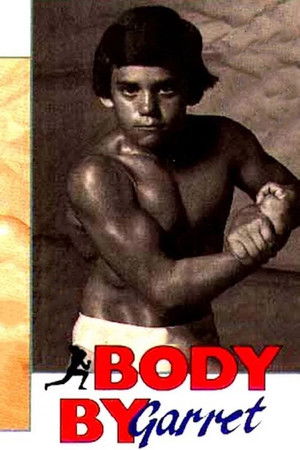
This short documentary tells the story of Garret Walsh, a twelve-year-old Canadian body-builder.
An intimate look into Demers family's experience raising children while dealing with the societal stigmas around disabilities and the consequences of Alberta's forgotten experiment in eugenics.
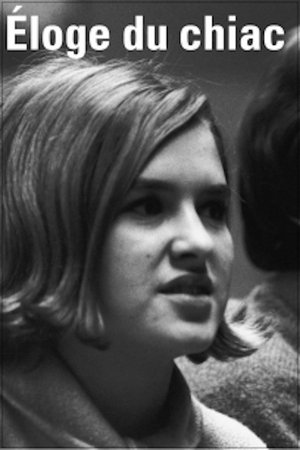
Set in New Brunswick, "Éloge du chiac" takes the form of an open discussion between a young French-language teacher and her students in Moncton. Through their exchanges, Michel Brault examines the challenges of preserving French in a bilingual region where English predominates, and explores the contested status of Chiac, a local French dialect shaped by centuries of linguistic contact.
Using animated maps and real footage, the film shows how Hitler systematically invaded and occupied one European country after another in 1939 and 1941