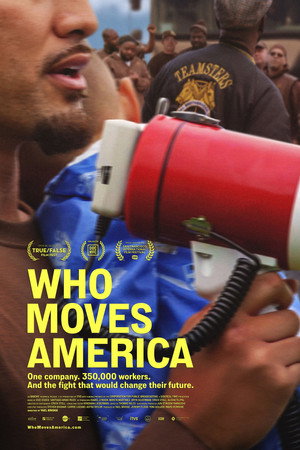
Across America, UPS workers come together to demand better working conditions as they go about criss-crossing the world, delivering packages and connecting lives.
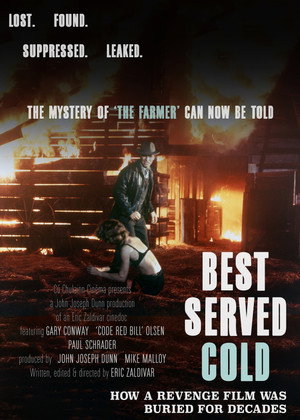
A feature length cinema documentary on how THE FARMER (1977) became the most-requested cult film of the new millennium, and it's a crazy tale that involves an actor incarcerated for manslaughter, serious on-set injuries, banana-man costumes- as well as surprising links to Clint Eastwood and Martin Scorsese. The film also broadens its scope to explore the overlooked, eclectic and often ultra-violent sub-genre THE FARMER belongs to - The Returning Veteran film. A film type that hit its stride in the 1970's with hard hitting character studies such as WELCOME HOME, SOLDIERS BOYS (1971), THE NO MERCY MAN (1973) and ROLLING THUNDER (1977).
The film showcases the voices of past and present Hougang residents, alongside commentary by historians, public intellectuals, politicians, and volunteers. Charting Hougang’s history from the mid-eighteenth century, the film features personal recollections of growing up in Hougang, residents’ sentiments towards state-led redevelopment and relocation, and the political journey of the community in the context of the Workers’ Party having won the Hougang Parliamentary seat a little over 30 years ago.
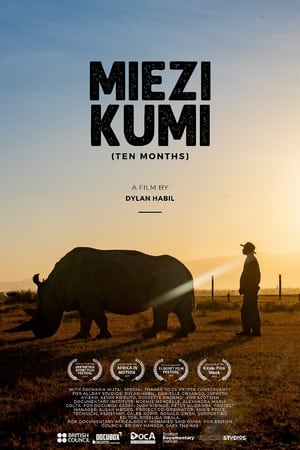
MIEZI KUMI (TEN MONTHS) is a short documentary of the love between Zacharia Mutai, his family and the last two northern white rhinos, which he has to take care of for ten months in a year.
A nation's architect battles war and chaos to forge a country from the ashes—can he secure its future before freedom slips away?
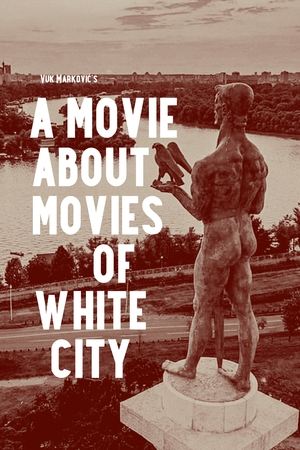
Short documentary about movies locations from Yugoslavian movies and how they look nowadays.
James Cameron, Jon Landau, and Kate Winslet reflect on the making of Titanic, sharing unseen footage, behind-the-scenes insights, and memories that shaped cinema’s most unforgettable love story.
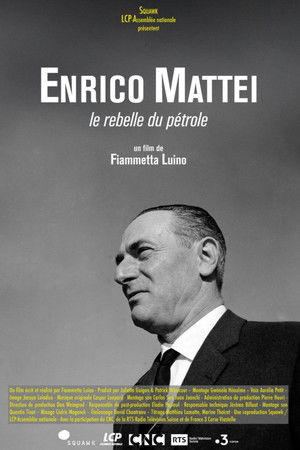
Enrico Mattei, le rebelle du pétrole
Rolland, a 70 year-old man, exiled by his family due to his sexual orientation, makes peace with the past by finding himself in a small ghost town in the western part of Jalisco, San Sebastián del Oeste. Almost 40 years later, he wants to go back to his hometown, try to regain his daughter's love and be a part o his granddaughter's life.
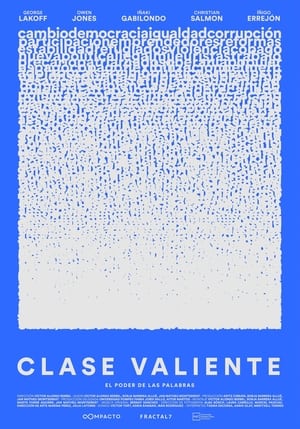
Three college students start a social experiment to prove that reality changes according to the words we use to describe it. Through research, activist actions, and artistic interventions, they analyze the importance of language in the way we understand the world. The documentary includes analysis from more than 20 international experts and leaders in the fields of political communication and information.
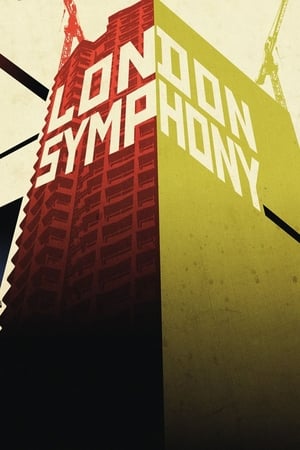
LONDON SYMPHONY is a brand new silent film - a city symphony - which offers a poetic journey through the city of London. It is an artistic snapshot of the city as it stands today, and a celebration of its culture and diversity.
The story of the South Shore Resource and Advocacy Center, five survivors of domestic violence, and their experience in the Massachusetts justice system.
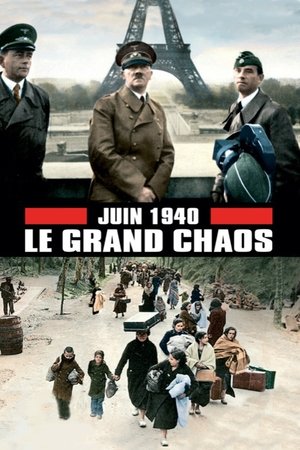
From May 10, 1940, France is living one of the worst tragedies of it history. In a few weeks, the country folds, and then collapsed in facing the attack of the Nazi Germany. On June 1940, each day is a tragedy. For the first time, thanks to historic revelations, and to numerous never seen before images and documents and reenacted situations of the time, this film recounts the incredible stories of those men and women trapped in the torment of this great chaos.
A documentary on a conversation between one drug-induced individual with another sober partner.
This program has been designed specifically to help people with no previous knowledge of Jesus to have a better understanding of who He is.
This documentary focuses mostly on the 1930’s to 1950’s – arguably the most important period in modern American history. These decades included the Great Depression, the peak of labor militancy in 1937 (probably the closest the US has come to a popular revolution since 1787), the rise of the “guest worker” phenomenon, the counter-attack against labor unions, the creation of the military industrial complex, the rise of the FBI, the foundations of the civil rights movement, and the purging of radicals from organized labor and public life.
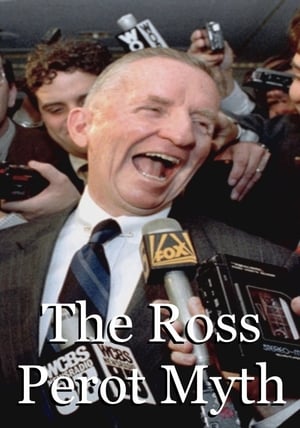
An enduring myth in U.S. presidential election history is that George H.W. Bush only lost his re-election bid in 1992 because a peculiar independent candidate from Texas, Ross Perot, drew more voters away from Bush than from Democratic candidate Bill Clinton. Perot ran a quirky "outsider" campaign that in many ways presaged the Donald Trump phenomenon of 2016. It all amounted to one of the most successful third-party bids in U.S. history; Perot won 19 percent of the popular vote.
A short documentary and character study about a woman's complex relationship with religion and family.
A film essay contrasting the modern metropolis with its "golden age" from 1830-1930, with the participation of some of New York's leading political and cultural figures. Made at a time when the city was experiencing unprecedented real estate development on the one hand and unforeseen displacement of population and deterioration on the other. Empire City is the story of two New Yorks. The film explores the precarious coexistence of the service-based midtown Manhattan corporate headquarters with the peripheral New York of undereducated minorities living in increasing alienation.
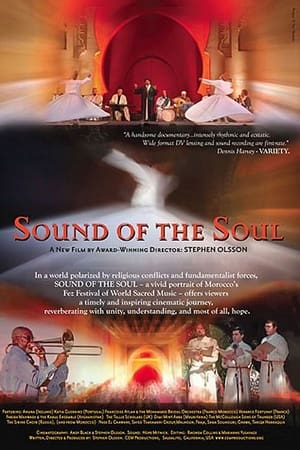
SOUND OF THE SOUL is a compelling portrait of an Arab country where Muslims, Christians, and Jews have lived together in relative peace for centuries. Beautifully photographed during the Fez Festival of World Sacred Music, the film presents unforgettable performances from groups from Morocco, Ireland, Russia, Afghanistan, Mauritania, the USA, Portugal and France, which carry viewers into what the film's Moroccan sufi guide calls "the hearing of the heart": the essential Oneness at the core of all religions and faiths.