The law of the wild is kill or be killed; learning how animals kill.
Zoologist Jack Randall journeys into Australia's Outback to encounter extraordinary wildlife.
Through unprecedented access we showcase the spectacle that is Wild Russia. From east to west, via mountains, volcanoes, deserts, lakes and Arctic ice, this breathtaking six-part series uses stunning cinematography to chart the dazzling natural wonders of this vast country.
Polar Bear Week with Nigel Marven
In six remote and beautiful places on our planet are queendoms run by the most powerful leaders in the animal world. These queens are sisters, single mothers, grandmothers. This documentary series tells their stories of resilience, strength, love and loss for the first time.
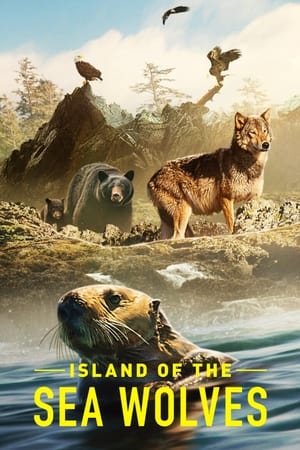
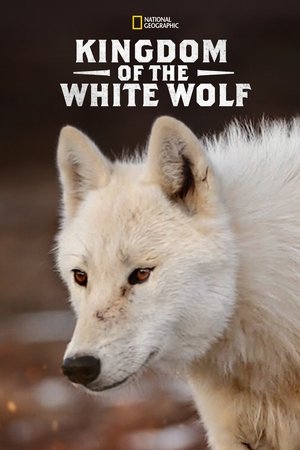
Ronan Donovan, our expert guide and National Geographic photographer, takes the audience on an intimate exploration of the Arctic during the endless day of the summer months, giving insight to the unexpected abundance of the 'Garden of the Arctic' in Wolf Valley as he attempts to embed with a wolf family pack.
Mondes sauvages
Roam South Luangwa National Park in Eastern Zambia with cameraman Julz Braatvedt as he follows three wild dog packs during the dry season. Capture their triumphs and disasters during this tough time of the year in the world-famous wildlife sanctuary.
Chris Packham and Martha Kearney consult experts and use modern technology to examine the lives and times of honeybees.
Terre de légendes
David Attenborough uses pioneering 3D-techniques and technology to explore the unique environments and species of the Galapagos.
See It Now is an American newsmagazine and documentary series broadcast by CBS from 1951 to 1958. It was created by Edward R. Murrow and Fred W. Friendly, Murrow being the host of the show. From 1952 to 1957, See It Now won four Emmy Awards and was nominated three other times. It also won a 1952 Peabody Award, which cited its
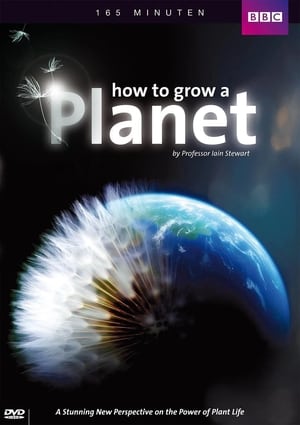
Geologist Iain Stewart explain in three stages of natural history the crucial interaction of our very planet's physiology and its unique wildlife. Biological evolution is largely driven bu adaptation to conditions such as climate, soil and irrigation, but biotopes were also shaped by wildlife changing earth's surface and climate significantly, even disregarding human activity.
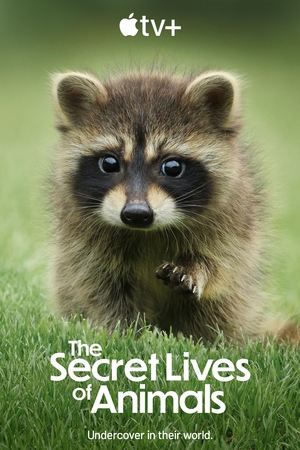
Three wildlife camera operators follow six iconic baby animals as they face the challenges of surviving their first year on Earth.
Sir David discovers a microscopic world that’s invisible to the naked eye, where insects feed and breed, where flowers fluoresce and where plants communicate with each other and with animals using scent and sound.
Sir David shines the spotlight on some of nature’s evolutionary anomalies and reveals how these curious animals continue to baffle and fascinate.
Series showcasing Scotland's wildlife, habitats and scenery. Scotland is moving into a new age of the Wild. Driven by the passion of youth and a spirit of innovation, the re-wilding of the Nation has become a flagship issue for the 21st Century. With a new appreciation of the wild and its wildlife the future of Scotland’s most iconic habitats may be wilder than we could ever imagine …..
The Pantanal is the world's largest tropical wetland, a lush environment where a tangled web of lives comes together. Tree-dwelling capuchin monkeys, gravity-defying Piraputanga fish that leap out of the water to pluck fruit from trees, and over 650 species of birds call this ecosystem home. Wade into this wonderland of biodiversity and uncover its natural rhythms.
David Attenborough celebrates the amazing variety of the natural world in this epic documentary series, filmed over four years across 64 different countries.
Michael Palin undertakes an epic journey of 23,000 miles, traveling from the North to the South Pole across 17 countries with a minimum of air travel, all on a tight deadline.